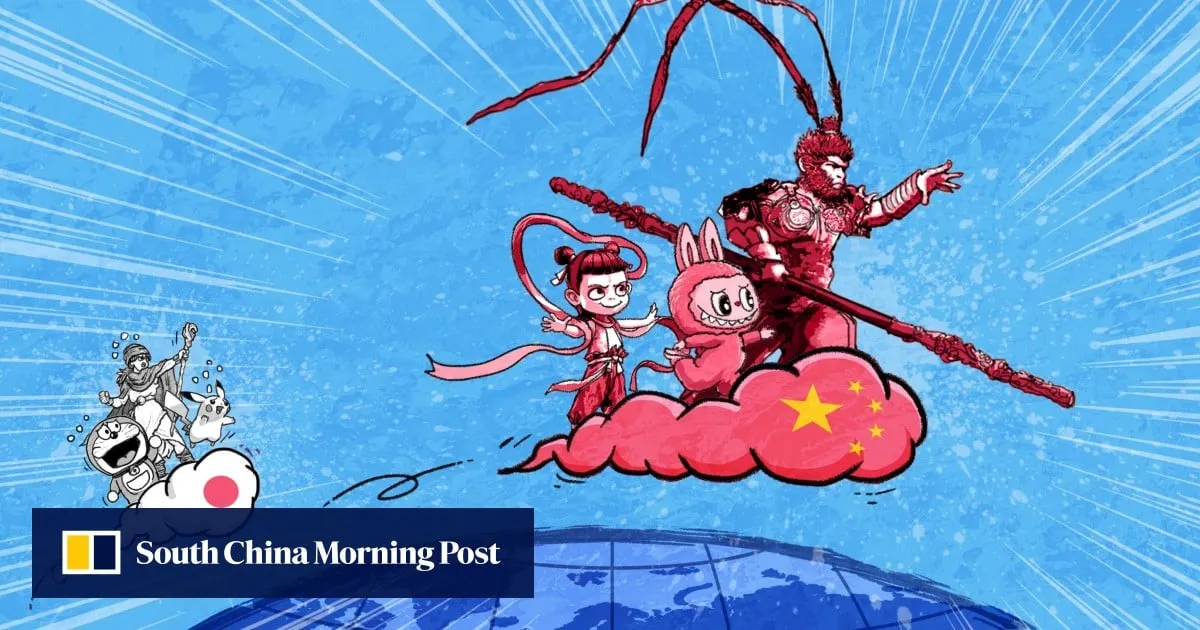
China and Japan’s long-standing rivalry has deep historic roots, and relations between the two have taken a significant turn for the worse in recent months. This article, the first in a three-part series, looks at how both countries are trying to turn soft power to their advantage in the battle to shape international opinion.The rise of China’s soft power has been fuelled by global successes in fields ranging from gaming and films to consumer brands and technology.Success stories range from the blockbuster video game Black Myth: Wukong, inspired by Chinese mythology, to the acclaimed sci-fi novel The Three-Body Problem, later made into a Netflix series.This rapidly growing global footprint has prompted Japan – long regarded as a leader in fields such as gaming and animation – to launch an initiative to promote the country’s own culture.Last month, the Yomiuri newspaper compared the foreign ministry initiative with China’s efforts to use cultural outreach to expand its influence, adding it was designed “to strengthen this nation’s diplomatic capabilities by increasing the number of people who understand Japan”.The report said: “As China has used cultural diplomacy to undermine other countries’ reputations, the ministry decided to send out storytellers with the aim of creating an environment that will make it easier for Japan’s positions and policies to be accepted abroad.”The Japanese foreign ministry plans to hold events in more than 20 countries by the end of this month, featuring both ancient and modern aspects of Japanese culture that range from tea ceremonies to manga and anime.
SRCSouth China Morning Post
LANGEN
LEANCenter-Right
WORDS252
ENT5
TUE · 2026-03-17 · 22:00 GMTBRIEF NSR-2026-0317-25476
NSR-2026-0317-25476News Report·EN·Political Strategy
Why Japan thinks China’s growing cultural clout is something it needs to counter
Amidst worsening relations and a historical rivalry, Japan is actively working to counter China's growing cultural influence on the global stage. China's soft power has expanded through successes in gaming, film, literature, and technology, exemplified by titles like "Black Myth: Wukong" and "The Three-Body Problem." In response, Japan's foreign ministry launched an initiative to promote Japanese culture in over 20 countries, aiming to strengthen its diplomatic capabilities and improve international understanding of its positions.
Vanessa CaiSouth China Morning PostFiled 2026-03-17 · 22:00 GMTLean · Center-RightRead · 2 min
South China Morning PostFIG 01
Reading time
2min
Word count
252words
Sources cited
1cited
Entities identified
5entities
Quality score
100%
§ 01
Briefing Summary
AI-generatedNEWSAR · AI
Amidst worsening relations and a historical rivalry, Japan is actively working to counter China's growing cultural influence on the global stage. China's soft power has expanded through successes in gaming, film, literature, and technology, exemplified by titles like "Black Myth: Wukong" and "The Three-Body Problem." In response, Japan's foreign ministry launched an initiative to promote Japanese culture in over 20 countries, aiming to strengthen its diplomatic capabilities and improve international understanding of its positions. This initiative, featuring events showcasing both traditional and modern Japanese culture, is designed to counteract China's cultural diplomacy, which Japan perceives as undermining other countries' reputations. The goal is to create a more receptive environment for Japan's policies abroad.
Confidence 0.90Sources 1Claims 5Entities 5
§ 02
Article analysis
Model · rule-basedFraming
Political Strategy
Conflict
Tone
Measured
AI-assessed
CalmNeutralAlarmist
Factuality
0.70 / 1.00
Factual
LowHigh
Sources cited
1
Limited
FewMany
§ 03
Key claims
5 extracted01
The Japanese foreign ministry plans to hold events in more than 20 countries by the end of this month.
factual
Confidence
1.00
02
Japan launched an initiative to promote the country’s own culture.
factual
Confidence
1.00
03
China and Japan’s long-standing rivalry has deep historic roots.
factual
Confidence
0.90
04
China's soft power has risen due to global successes in gaming, films, consumer brands and technology.
factual
Confidence
0.80
05
China has used cultural diplomacy to undermine other countries’ reputations.
quoteYomiuri newspaper
Confidence
0.70
§ 04
Full report
2 min read · 252 words§ 05
Entities
5 identifiedKey playerOppositionContextPositiveNeutralNegative
Organizations3
§ 06
Keywords & salience
10 termscultural clout
0.90
japan
0.90
china
0.90
soft power
0.80
cultural diplomacy
0.70
cultural outreach
0.60
international opinion
0.60
gaming
0.50
manga
0.40
anime
0.40
§ 07
Topic connections
Interactive graph Network visualization showing 51 related topics
View Full Graph Person Organization Location Event|Click node to navigate|Edge numbers = shared articles