Britain’s public finances showed a higher than expected monthly deficit of £14.3bn last month, official figures revealed, amid growing fears the Iran conflict could blow the government’s plans off course.The figures from the Office for National Statistics (ONS) showed public sector net borrowing – the difference between spending and income – had widened £2.2bn year on year in February and was higher than the £8.5bn City economists had forecast.The ONS said the data had been affected by the timing of government debt repayments, with some falling into February instead of January.At the same time, it revised up its estimate of January’s surplus – already a record for that month – to £31.9bn, from £30.4bn previously, helped by an increase in tax payments boosting the government’s receipts.The chancellor, Rachel Reeves, has deliberately increased borrowing for investment projects since Labour came to power in 2024 but has also raised taxes significantly, in an effort to reduce the current deficit, which measures borrowing to pay for day-to-day spending.The latest data showed progress on that measure, with the current budget deficit in the 11 months to February down by 21.1% from the same period last year, at £62.1bn.Total borrowing for the same period, of £125.9bn, looked on course to undershoot the Office for Budget Responsibility’s estimate for the year as a whole, of £138.3bn.However, it came as analysts increasingly fret that higher energy prices, inflation and interest rates as a result of the Middle East conflict could jeopardise the £23bn headroom the chancellor left against her fiscal rules in last autumn’s budget.“That the deficit numbers are broadly on track will be a welcome development for a government keen to preserve fiscal credibility at a time of unwelcome geopolitical and economic turbulence,” said Martin Beck, the chief economist at WPI Strategy. “But that turbulence means the recent fiscal numbers may prove a poor guide to what comes next.”Nabil Taleb, an economist at consultancy PwC, said: “Interest rate cuts are inevitably deferred, inflation now looks set to pick up again, and growth remains subdued.“That combination risks putting renewed pressure on borrowing and leaves the public finances exposed, underlining just how quickly the fiscal picture can shift.”The government has repeatedly insisted its tax increases and measures to control inflation, including cutting energy bills from April, have put the economy in a stronger position to withstand whatever is to come.The chief secretary to the Treasury, James Murray, said: “We have the right economic plan. Because of the choices we made before the conflict in the Middle East began, we are better prepared for a more volatile world.”Labour had been hoping for more interest rate cuts from the Bank of England this year, to bolster consumer confidence and cut the cost of borrowing for businesses.However, with oil prices up above $100 a barrel and the key choke point of the strait of Hormuz still effectively closed, the Bank’s nine-member monetary policy committee left rates on hold at 3.75% on Thursday and hinted they could even raise them amid fears of resurgent inflation.
SRCThe Guardian - World News
LANGEN
LEANCenter-Left
WORDS503
ENT11
FRI · 2026-03-20 · 08:02 GMTBRIEF NSR-2026-0320-26311
NSR-2026-0320-26311News Report·EN·Economic Impact
UK borrowing rises unexpectedly to £14.3bn in February
UK public sector net borrowing unexpectedly rose to £14.3 billion in February, according to the Office for National Statistics, exceeding economists' forecasts and widening by £2.2 billion year-on-year. The ONS attributed the increase partly to the timing of government debt repayments.
Heather Stewart Economics editorThe Guardian - World NewsFiled 2026-03-20 · 08:02 GMTLean · Center-LeftRead · 3 min
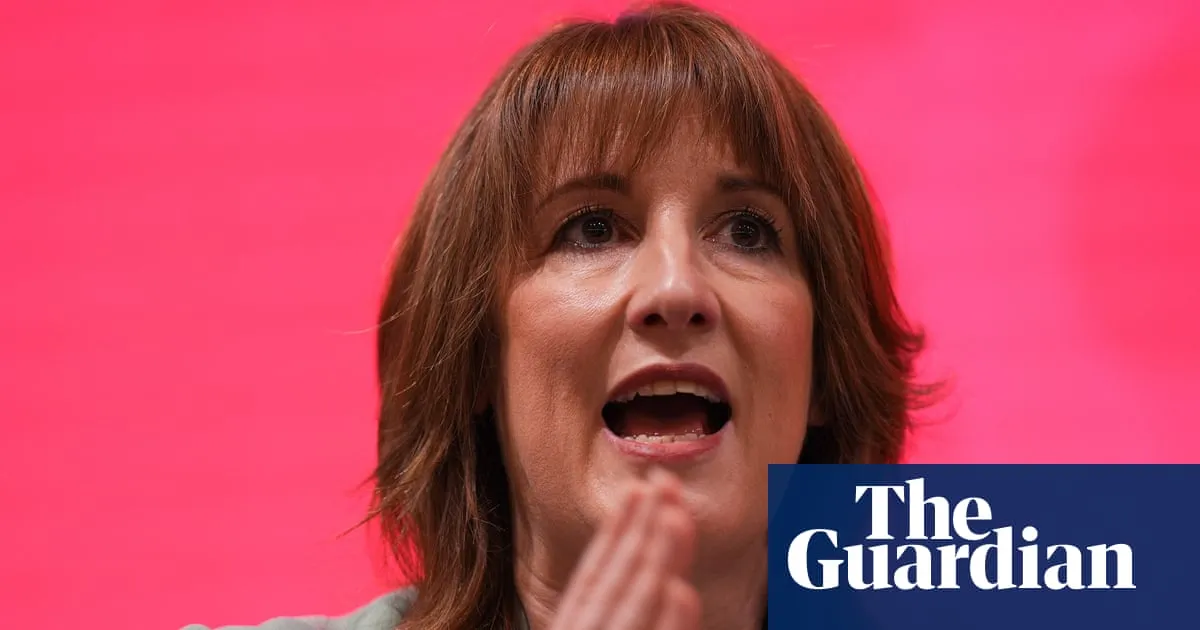
The Guardian - World NewsFIG 01
Reading time
3min
Word count
503words
Sources cited
4cited
Entities identified
11entities
Quality score
100%
§ 01
Briefing Summary
AI-generatedNEWSAR · AI
UK public sector net borrowing unexpectedly rose to £14.3 billion in February, according to the Office for National Statistics, exceeding economists' forecasts and widening by £2.2 billion year-on-year. The ONS attributed the increase partly to the timing of government debt repayments. While January's surplus was revised upwards, the current budget deficit for the 11 months to February decreased by 21.1% compared to the previous year. Total borrowing for the same period is on track to undershoot the Office for Budget Responsibility’s estimate for the year. However, analysts are concerned that the Middle East conflict could lead to higher energy prices, inflation, and interest rates, potentially impacting the government's fiscal plans and headroom against fiscal rules.
Confidence 0.90Sources 4Claims 5Entities 11
§ 02
Article analysis
Model · rule-basedFraming
Economic Impact
Political Strategy
Tone
Measured
AI-assessed
CalmNeutralAlarmist
Factuality
0.70 / 1.00
Factual
LowHigh
Sources cited
4
Well sourced
FewMany
§ 03
Key claims
5 extracted01
The current budget deficit in the 11 months to February is down by 21.1% from the same period last year, at £62.1bn.
statisticOffice for National Statistics (ONS)
Confidence
1.00
02
January’s surplus was revised up to £31.9bn.
statisticOffice for National Statistics (ONS)
Confidence
1.00
03
Public sector net borrowing widened £2.2bn year on year in February.
statisticOffice for National Statistics (ONS)
Confidence
1.00
04
Britain’s public finances showed a higher than expected monthly deficit of £14.3bn last month.
statisticOffice for National Statistics (ONS)
Confidence
1.00
05
Interest rate cuts are inevitably deferred, inflation now looks set to pick up again, and growth remains subdued.
predictionNabil Taleb, economist at PwC
Confidence
0.70
§ 04
Full report
3 min read · 503 words§ 05
Entities
11 identifiedKey playerOppositionContextPositiveNeutralNegative
Organizations5
§ 06
Keywords & salience
10 termsuk borrowing
0.90
public finances
0.80
budget deficit
0.80
inflation
0.70
interest rates
0.60
economic turbulence
0.60
tax payments
0.50
energy prices
0.50
fiscal rules
0.50
economic growth
0.40
§ 07
Topic connections
Interactive graph No topic relationship data available yet. This graph will appear once topic relationships have been computed.