As the US-Israeli military campaign against Iran continues, Chinese social media is buzzing with condemnations of Washington, expressions of sympathy for Tehran and an outpouring of unsolicited strategic advice.The conflict, which began with the February 28 air strikes that killed Iran’s supreme leader, Ayatollah Ali Khamenei, has dominated the list of trending topics on the country’s main platforms, such as WeChat, Weibo and Douyin.Social media is tightly controlled and most of the comments published have been heavily critical of the United States.These tend to echo Beijing’s official position by accusing Washington of violating Iranian sovereignty and adopting classic “hegemonic” behaviour, even if the tone is much more informal.In contrast to Beijing’s official statements, the dominant reactions online are characterised by sarcasm and mockery, with the US embassy’s official accounts being a particular target.While the official US accounts largely repost or translate official statements about the war, the reply sections are quickly flooded with angry comments about what the US military calls “precision” strikes.
SRCSouth China Morning Post
LANGEN
LEANCenter-Right
WORDS163
ENT10
SUN · 2026-03-22 · 12:00 GMTBRIEF NSR-2026-0322-28974
NSR-2026-0322-28974News Report·EN·Political Strategy
Chinese social media is awash with criticisms of the US, but is it possible to go too far?
Chinese social media platforms like WeChat, Weibo, and Douyin are filled with criticism of the United States following the US-Israeli military campaign against Iran, which began with air strikes on February 28. The online discussions, heavily controlled, largely echo Beijing's official stance, accusing the US of violating Iranian sovereignty and acting hegemonically.
Jane CaiSouth China Morning PostFiled 2026-03-22 · 12:00 GMTLean · Center-RightRead · 1 min
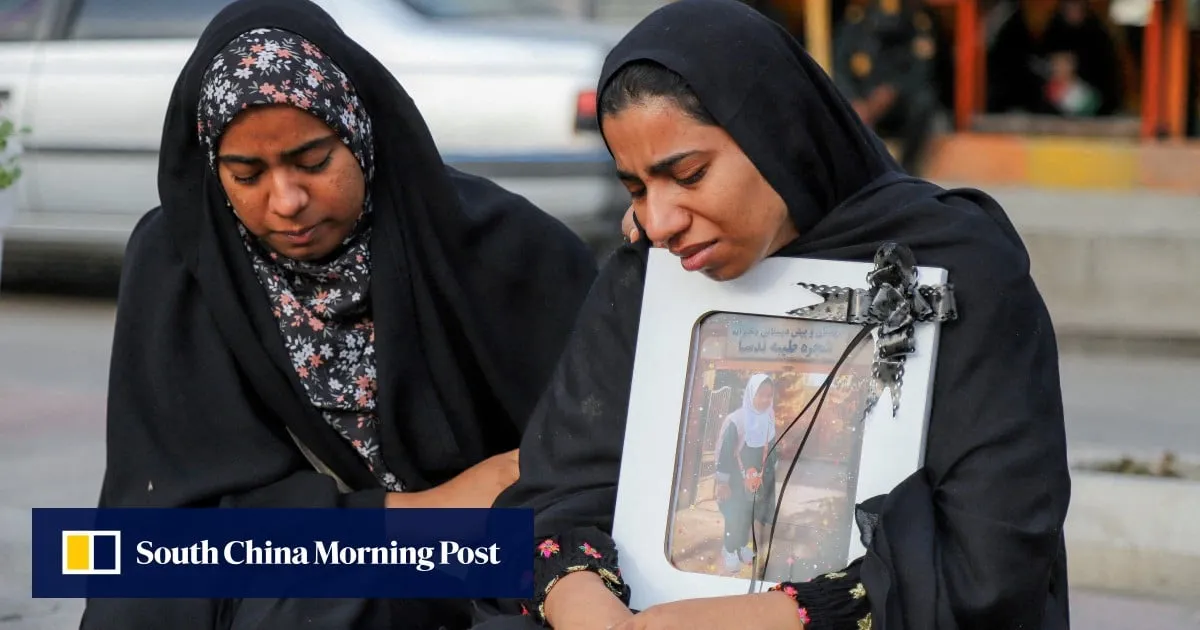
South China Morning PostFIG 01
Reading time
1min
Word count
163words
Sources cited
0cited
Entities identified
10entities
Quality score
100%
§ 01
Briefing Summary
AI-generatedNEWSAR · AI
Chinese social media platforms like WeChat, Weibo, and Douyin are filled with criticism of the United States following the US-Israeli military campaign against Iran, which began with air strikes on February 28. The online discussions, heavily controlled, largely echo Beijing's official stance, accusing the US of violating Iranian sovereignty and acting hegemonically. However, the tone is often more sarcastic and mocking than official statements, with the US embassy's social media accounts becoming a target for angry comments regarding the military actions. The conflict has become a trending topic, drawing expressions of sympathy for Iran and unsolicited strategic advice. The online activity reflects a strong anti-US sentiment within the Chinese digital sphere.
Confidence 0.90Claims 5Entities 10
§ 02
Article analysis
Model · rule-basedFraming
Political Strategy
Conflict
Tone
Measured
AI-assessed
CalmNeutralAlarmist
Factuality
0.70 / 1.00
Factual
LowHigh
Sources cited
0
No named sources
FewMany
§ 03
Key claims
5 extracted01
The dominant reactions online are characterised by sarcasm and mockery, with the US embassy’s official accounts being a particular target.
factualnull
Confidence
1.00
02
These comments tend to echo Beijing’s official position by accusing Washington of violating Iranian sovereignty.
factualnull
Confidence
1.00
03
Social media is tightly controlled and most of the comments published have been heavily critical of the United States.
factualnull
Confidence
1.00
04
The conflict began with the February 28 air strikes that killed Iran’s supreme leader, Ayatollah Ali Khamenei.
factualnull
Confidence
1.00
05
Chinese social media is buzzing with condemnations of Washington and expressions of sympathy for Tehran.
factualnull
Confidence
1.00
§ 04
Full report
1 min read · 163 words§ 05
Entities
10 identifiedKey playerOppositionContextPositiveNeutralNegative
Organizations5
§ 06
Keywords & salience
10 termssocial media
0.90
us
0.80
china
0.70
criticism
0.70
iran
0.60
military campaign
0.60
official position
0.50
hegemonic behavior
0.50
wechat
0.40
sovereignty
0.40
§ 07
Topic connections
Interactive graph Network visualization showing 51 related topics
View Full Graph Person Organization Location Event|Click node to navigate|Edge numbers = shared articles