In earthquake-prone Japan, 20 seconds could make a difference in minimising loss of life among train passengers who experience traumatic shaking during a major seismic event.The operator of the Shinkansen line between Osaka and Fukuoka in southern Japan is upgrading its earthquake early warning system to give trains operating at speeds of up to 300km/h (186mph) an additional 20 seconds to slow down and avert catastrophe in an area that experts warn could be hit by a megaquake at any moment.In a statement issued last week, the Japan-railway-company" class="entity-link entity-organization" data-entity-id="57926" data-entity-type="organization">West Japan Railway Company said it had been working with the Railway Technical Research Institute and the National Research Institute for Earth Science and Disaster Prevention and that its existing earthquake detection system would be upgraded from April 1.The railway company is linking its warning system to the Nankai Trough Submarine Earthquake and Tsunami Observation Network, also known as N-net, a 1,640 fibre-optic cable network completed in June on the seabed off Shikoku and the eastern seaboard of Kyushu.The US$120-million project was designed to fill a gap in seismic monitoring in the area, as concerns have grown about the inevitability of a massive earthquake in the Nankai Trough, which spans 900km (559 miles) parallel to the south coast from Suruga Bay in the east to Kyushu in the west.Alerts are automatically sent out when monitoring equipment detects the primary wave of a quake, which moves faster and causes less damage than secondary waves, giving a few crucial seconds’ warning. That information will now be shared with trains.
SRCSouth China Morning Post
LANGEN
LEANCenter-Right
WORDS254
ENT11
TUE · 2026-03-24 · 00:00 GMTBRIEF NSR-2026-0324-31681
NSR-2026-0324-31681News Report·EN·Technology
Japan’s railways to get an earthquake early-warning upgrade
To improve safety in the earthquake-prone region, the West Japan Railway Company is upgrading its earthquake early warning system on the Shinkansen line between Osaka and Fukuoka, starting April 1. The upgrade aims to provide trains with an additional 20 seconds to slow down during a seismic event.
Julian RyallSouth China Morning PostFiled 2026-03-24 · 00:00 GMTLean · Center-RightRead · 2 min
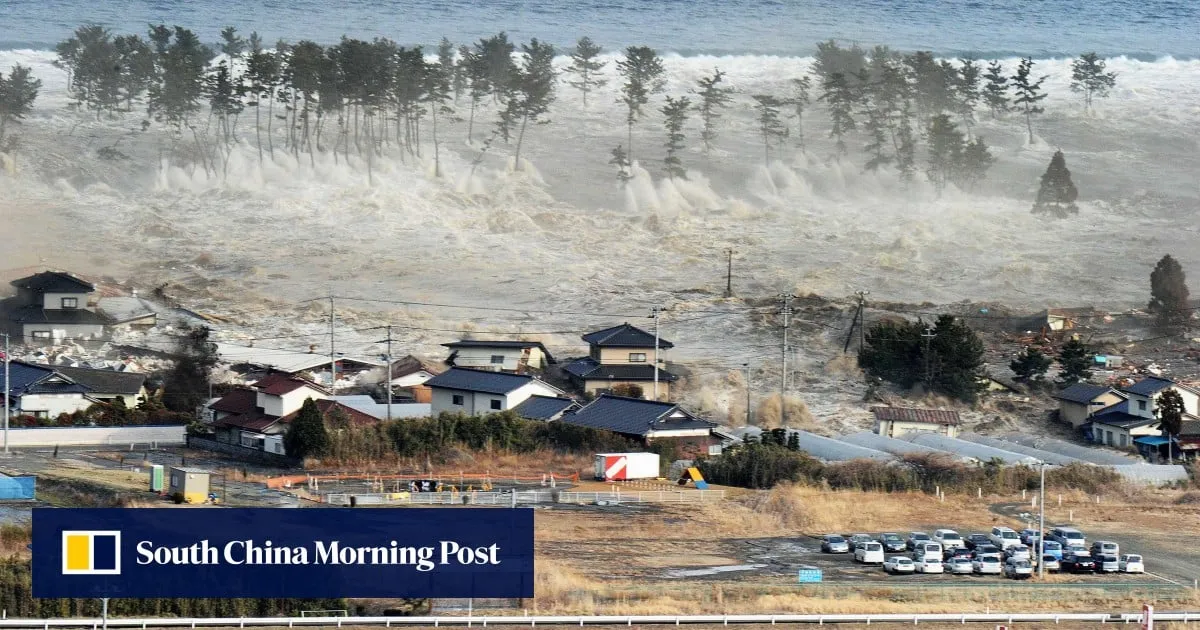
South China Morning PostFIG 01
Reading time
2min
Word count
254words
Sources cited
3cited
Entities identified
11entities
Quality score
100%
§ 01
Briefing Summary
AI-generatedNEWSAR · AI
To improve safety in the earthquake-prone region, the West Japan Railway Company is upgrading its earthquake early warning system on the Shinkansen line between Osaka and Fukuoka, starting April 1. The upgrade aims to provide trains with an additional 20 seconds to slow down during a seismic event. This is achieved by linking the railway's existing detection system to the Nankai Trough Submarine Earthquake and Tsunami Observation Network (N-net), a seabed fibre-optic cable network off Shikoku and Kyushu. N-net detects the primary waves of an earthquake, sending alerts to trains, which allows them to prepare for the more damaging secondary waves. The upgrade is a response to growing concerns about a potential megaquake in the Nankai Trough.
Confidence 0.90Sources 3Claims 5Entities 11
§ 02
Article analysis
Model · rule-basedFraming
Technology
National Security
Tone
Measured
AI-assessed
CalmNeutralAlarmist
Factuality
0.80 / 1.00
Factual
LowHigh
Sources cited
3
Well sourced
FewMany
§ 03
Key claims
5 extracted01
The N-net project cost US$120 million.
statistic
Confidence
1.00
02
The warning system is being linked to the Nankai Trough Submarine Earthquake and Tsunami Observation Network (N-net).
factual
Confidence
1.00
03
The West Japan Railway Company is working with research institutes on the upgrade.
factualWest Japan Railway Company
Confidence
1.00
04
The upgrade aims to give trains an additional 20 seconds to slow down during an earthquake.
factual
Confidence
1.00
05
Japan's railways are upgrading their earthquake early warning system.
factual
Confidence
1.00
§ 04
Full report
2 min read · 254 words§ 05
Entities
11 identifiedKey playerOppositionContextPositiveNeutralNegative
Organizations3
§ 06
Keywords & salience
9 termsearthquake early warning system
1.00
japan
0.90
railways
0.80
seismic event
0.70
nankai trough
0.70
earthquake detection
0.60
shinkansen
0.50
tsunami observation
0.50
disaster prevention
0.40
§ 07
Topic connections
Interactive graph Network visualization showing 51 related topics
View Full Graph Person Organization Location Event|Click node to navigate|Edge numbers = shared articles