EXPLAINERTrump claims talks on with Iran, as he holds off on energy attacks, but Tehran denies any negotiations as US-Israel attacks on Iran, and Iran’s strikes on Gulf nations, continue.Published On 24 Mar 2026The war launched by the United States and Israel against Iran entered its 25th day on Tuesday, as conflicting claims emerged over possible peace talks.US President Donald Trump said Washington was holding discussions with Tehran and suggested a broader agreement could be reached, but Iranian officials rejected the claims, accusing the US of trying to buy time as it deploys more forces to the region.Recommended Stories list of 1 itemlist 1 of 1Iran calls Trump’s peace talk claims ‘fake news’, injuries in Tel Avivend of listTrump also ordered the US military to postpone planned strikes on Iranian power plants and energy infrastructure for five days.Meanwhile, Iran fired a new missile barrage at Israel, Gulf countries reported repeated drone and missile interceptions, and fighting intensified in Lebanon and Iraq.Here is what we know:In Iran Trump’s claims: Trump claimed that discussions are ongoing with Iran to reach a broader peace agreement, stating that “Iran means business.” Iran’s denial: Iranian officials firmly rejected these claims, with the Islamic Revolutionary Guard Corps and parliamentary leaders calling the statements “fake news” and a “big lie”. Iranian officials have accused the US of fabricating these claims to manipulate global oil and financial markets, and to buy time as more US troops deploy to the region. US ultimatum: Over the weekend, Trump had issued a 48-hour deadline demanding that Iran reopen the Strait of Hormuz. He threatened to “obliterate” Iranian power plants if Tehran failed to comply. On Monday, the deadline was extended for five days. Strait of Hormuz remains closed: Despite international pressure and severe economic fallout in Asia, Iranian Foreign Minister Abbas Araghchi iterated that Iran’s stance on the Strait of Hormuz had not changed. US motivations and political pressures: Niall Stanage, a White House columnist for The Hill, suggests that Trump may be looking for an “exit ramp” because the war has been domestically unpopular and is causing significant economic pain, particularly through rising oil and fuel prices. Iranian suspicion and strategy: Reporting from Tehran, Al Jazeera’s Mohammed Vall noted that Iranian officials and state media are firmly projecting what he described as the “power of defiance”. Vall explained that Tehran harbours deep suspicion regarding any messaging from Washington, viewing Trump’s claims of peace talks as “manoeuvring” aimed at “winning time”. Pro-government rallies: Despite heavy rain and the threat of bombardment, large crowds of pro-government demonstrators gathered in Tehran and other Iranian cities to denounce the US and Israel. Pakistani Prime Minister Shehbaz Sharif said he had spoken with Iranian President Masoud Pezeshkian on “the grave situation in the Gulf region”, and promised that Pakistan was committed to playing “a constructive role in advancing peace”.
SRCAl Jazeera
LANGEN
LEANCenter
WORDS474
ENT12
TUE · 2026-03-24 · 06:17 GMTBRIEF NSR-2026-0324-31965
NSR-2026-0324-31965News Report·EN·Conflict
US-Israel war on Iran: What’s happening on day 25 of attacks?
On the 25th day of the US-Israel war against Iran, conflicting reports emerged regarding potential peace talks. US President Trump claimed discussions were underway, aiming for a broader agreement, but Iranian officials denied these claims, accusing the US of deception.
Elizabeth MelimopoulosAl JazeeraFiled 2026-03-24 · 06:17 GMTLean · CenterRead · 2 min
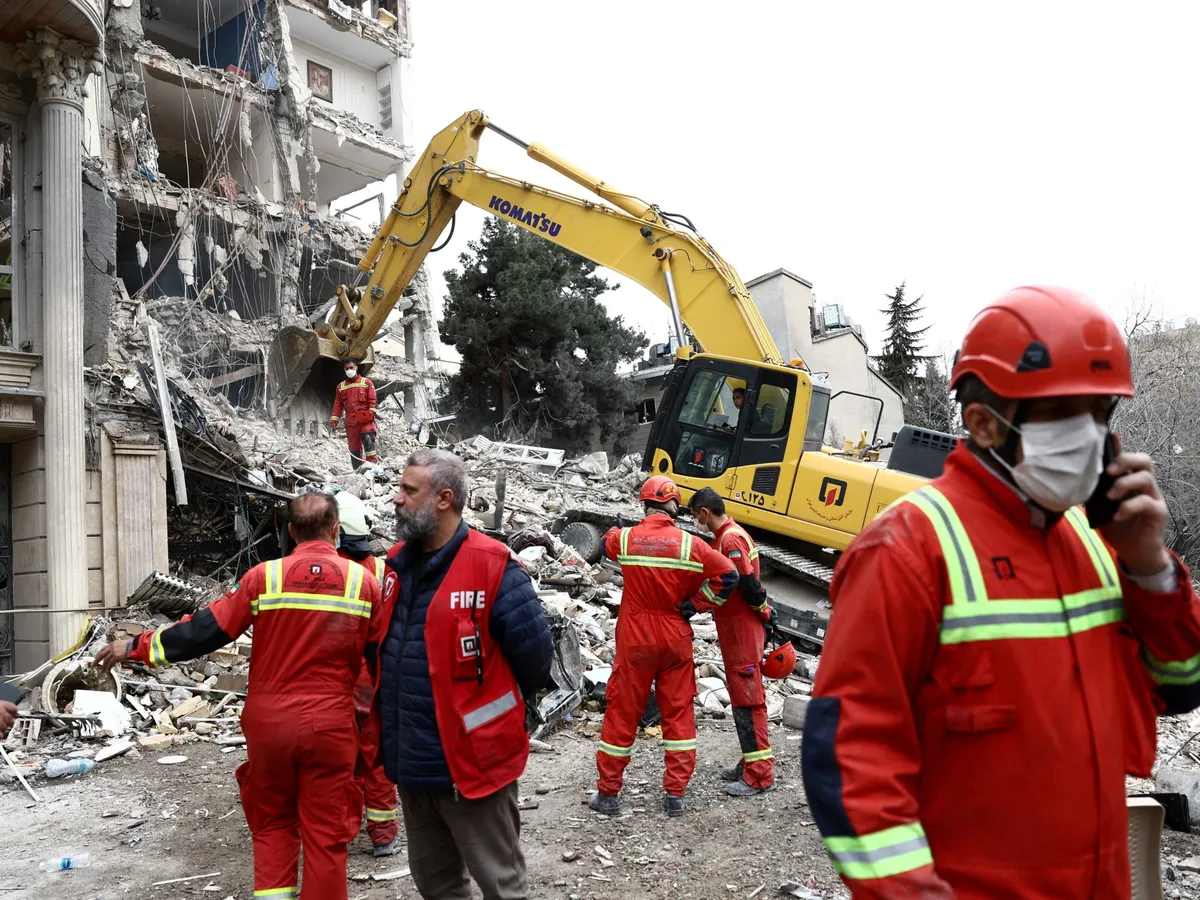
Al JazeeraFIG 01
Reading time
2min
Word count
474words
Sources cited
4cited
Entities identified
12entities
Quality score
100%
§ 01
Briefing Summary
AI-generatedNEWSAR · AI
On the 25th day of the US-Israel war against Iran, conflicting reports emerged regarding potential peace talks. US President Trump claimed discussions were underway, aiming for a broader agreement, but Iranian officials denied these claims, accusing the US of deception. Trump postponed strikes on Iranian energy infrastructure for five days after issuing an ultimatum regarding the Strait of Hormuz, which remains closed. Meanwhile, Iran launched missile attacks on Israel, Gulf countries reported interceptions, and fighting escalated in Lebanon and Iraq. Analysts suggest Trump may be seeking a way out of the unpopular war due to domestic and economic pressures, while Iran projects defiance.
Confidence 0.90Sources 4Claims 5Entities 12
§ 02
Article analysis
Model · rule-basedFraming
Conflict
Political Strategy
Tone
Mixed Tone
AI-assessed
CalmNeutralAlarmist
Factuality
0.70 / 1.00
Factual
LowHigh
Sources cited
4
Well sourced
FewMany
§ 03
Key claims
5 extracted01
Trump issued a 48-hour deadline demanding Iran reopen the Strait of Hormuz.
factualnull
Confidence
1.00
02
Iran fired a new missile barrage at Israel.
factualnull
Confidence
1.00
03
Trump ordered the US military to postpone strikes on Iranian power plants for five days.
factualnull
Confidence
1.00
04
Iranian officials rejected Trump's claims of peace talks.
factualIranian officials
Confidence
1.00
05
Trump claims Washington is holding discussions with Tehran for a broader agreement.
quoteDonald Trump
Confidence
1.00
§ 04
Full report
2 min read · 474 words§ 05
Entities
12 identifiedKey playerOppositionContextPositiveNeutralNegative
People3
Organizations1
§ 06
Keywords & salience
8 termsus-israel war on iran
1.00
peace talks
0.80
donald trump
0.70
strait of hormuz
0.70
iranian denial
0.60
military strikes
0.50
energy attacks
0.50
economic fallout
0.40
§ 07
Topic connections
Interactive graph Network visualization showing 51 related topics
View Full Graph Person Organization Location Event|Click node to navigate|Edge numbers = shared articles