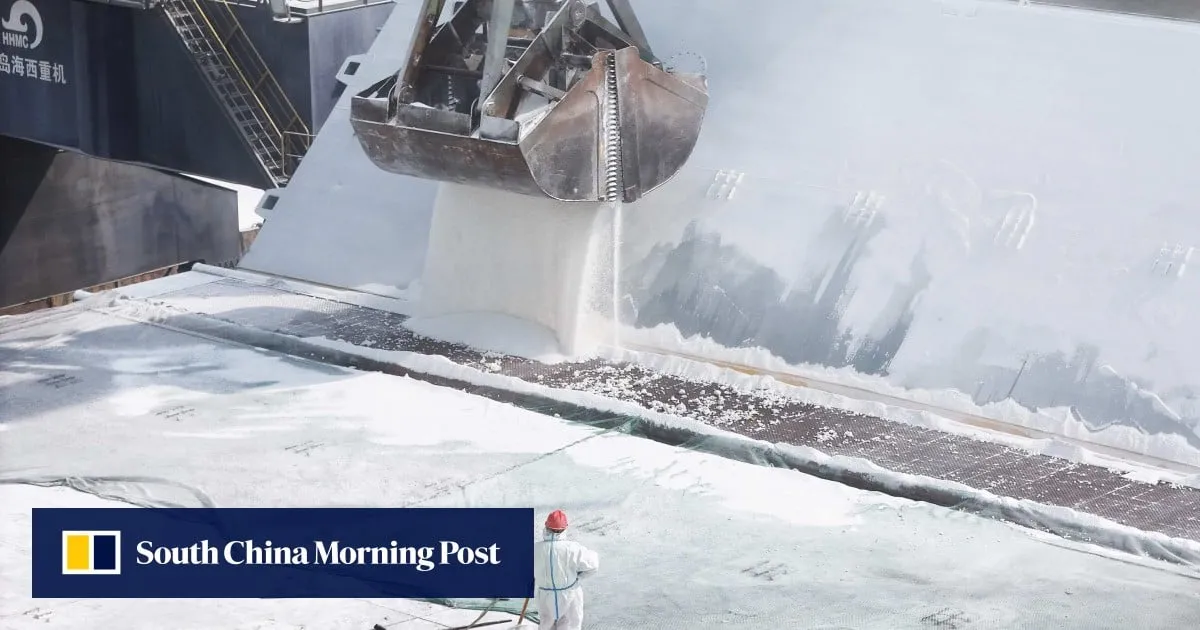
The deepening Strait of Hormuz crisis amid the war in the Middle East is choking the critical flow of not just oil but also fertilisers and perishable goods, and the Global South may face worsening food scarcity, warned the chief of a leading international business organisation.“We’re seeing the impact play out on fertilisers. A lot of people are not fully aware of the importance of the trade, particularly the shipment [of fertilisers] through the Strait of Hormuz and access,” said John Denton, secretary general of the International Chamber of Commerce (ICC).Calling the hampered flow of fertilisers a silent challenger, Denton warned that the developing world may face heavy collateral damage.“If the unintended consequences are not visible, you won’t be dealing with them. At the moment, the issue of fertiliser is subsumed under the price of oil and fuel, but that doesn’t mean this silent challenge is going away,” he argued.“It’s emerging quite sharply as a potential crisis in developing and emerging economies which are dependent on [fertiliser] access and we’re seeing, like, a third of the supply crash,” Denton said in an interview with the South China Morning Post on Friday.With the US-Israel war on Iran entering its fourth week, global concerns are spiking over the fate of goods trapped in the strait and shortage globally.
SRCSouth China Morning Post
LANGEN
LEANCenter-Right
WORDS216
ENT9
TUE · 2026-03-24 · 05:59 GMTBRIEF NSR-2026-0324-31975
NSR-2026-0324-31975News Report·EN·Economic Impact
Global South to bear the brunt of Strait of Hormuz crisis amid worsening food scarcity
The Strait of Hormuz crisis, exacerbated by the Middle East conflict, threatens to disrupt the flow of essential goods, including fertilizers, impacting the Global South. According to the International Chamber of Commerce (ICC), restricted fertilizer shipments through the Strait could lead to a significant supply crash, potentially affecting food security in developing and emerging economies.
Frank ChenSouth China Morning PostFiled 2026-03-24 · 05:59 GMTLean · Center-RightRead · 1 min
South China Morning PostFIG 01
Reading time
1min
Word count
216words
Sources cited
1cited
Entities identified
9entities
Quality score
75%
§ 01
Briefing Summary
AI-generatedNEWSAR · AI
The Strait of Hormuz crisis, exacerbated by the Middle East conflict, threatens to disrupt the flow of essential goods, including fertilizers, impacting the Global South. According to the International Chamber of Commerce (ICC), restricted fertilizer shipments through the Strait could lead to a significant supply crash, potentially affecting food security in developing and emerging economies. The ICC warns that the fertilizer issue is being overshadowed by concerns about oil prices, masking the potential for a severe crisis. The ongoing conflict raises concerns about the fate of goods trapped in the Strait and the potential for global shortages, particularly as the US-Israel war on Iran continues. The ICC emphasizes the need to address this silent challenge to prevent heavy collateral damage in vulnerable nations.
Confidence 0.90Sources 1Claims 5Entities 9
§ 02
Article analysis
Model · rule-basedFraming
Economic Impact
Conflict
Tone
Mixed Tone
AI-assessed
CalmNeutralAlarmist
Factuality
0.60 / 1.00
Mixed
LowHigh
Sources cited
1
Limited
FewMany
§ 03
Key claims
5 extracted01
A lot of people are not fully aware of the importance of the trade, particularly the shipment [of fertilisers] through the Strait of Hormuz.
quoteJohn Denton, ICC
Confidence
0.90
02
Developing and emerging economies are dependent on fertiliser access.
factualJohn Denton, ICC
Confidence
0.80
03
The Strait of Hormuz crisis is choking the flow of oil, fertilisers, and perishable goods.
factualArticle
Confidence
0.80
04
The Global South may face worsening food scarcity.
predictionArticle
Confidence
0.70
05
A third of the fertiliser supply could crash.
statisticJohn Denton, ICC
Confidence
0.60
§ 04
Full report
1 min read · 216 words§ 05
Entities
9 identifiedKey playerOppositionContextPositiveNeutralNegative
Organizations2