The agency will increase robotic missions to the Moon and launch a spacecraft called Space Reactor 1 Freedom.Published On 24 Mar 2026NASA has unveiled a major overhaul of its Moon and Mars strategy, scrapping plans for a lunar-orbit space station and instead committing $20bn over the next seven years to build a base on the Moon’s surface, while also advancing plans to send a nuclear-powered spacecraft to Mars.NASA Administrator Jared Isaacman outlined the changes on Tuesday during a meeting in Washington, DC, with partners, contractors and government officials involved in the Artemis programme, saying the agency will increase robotic missions to the Moon and lay the groundwork for nuclear power on the lunar surface.Isaacman, appointed by US President Donald Trump and who took charge in December, said the changes form part of a broader overhaul of NASA’s long-term Moon-to-Mars strategy.The planned Moon base is intended to support long-term human presence on the lunar surface, with robotic missions expected to help prepare the site, test technologies and begin building infrastructure before astronauts return later this decade.The agency also disclosed plans to launch a spacecraft called Space Reactor 1 Freedom before the end of 2028, a mission designed to demonstrate nuclear electric propulsion in deep space on the way to Mars.The spacecraft will deliver helicopters on the Red Planet, similar to the Ingenuity robotic test helicopter that flew with NASA’s Perseverance rover, a step the agency said would help move nuclear propulsion technology from laboratory testing to operational space missions.The Ingenuity helicopter was the first aircraft to achieve powered, controlled flight on another planet. It travelled to Mars attached to NASA’s Perseverance rover and landed in February 2021.
SRCAl Jazeera
LANGEN
LEANCenter
WORDS276
ENT10
TUE · 2026-03-24 · 20:58 GMTBRIEF NSR-2026-0324-33644
NSR-2026-0324-33644News Report·EN·Technology
NASA to spend $20bn on moon base, nuclear-powered Mars spacecraft
NASA, under Administrator Jared Isaacman, announced a strategic shift in its Moon-to-Mars program on March 24, 2026. The agency will invest $20 billion over seven years to establish a lunar base on the moon's surface, replacing previous plans for a lunar-orbit space station.
Elizabeth MelimopoulosAl JazeeraFiled 2026-03-24 · 20:58 GMTLean · CenterRead · 2 min
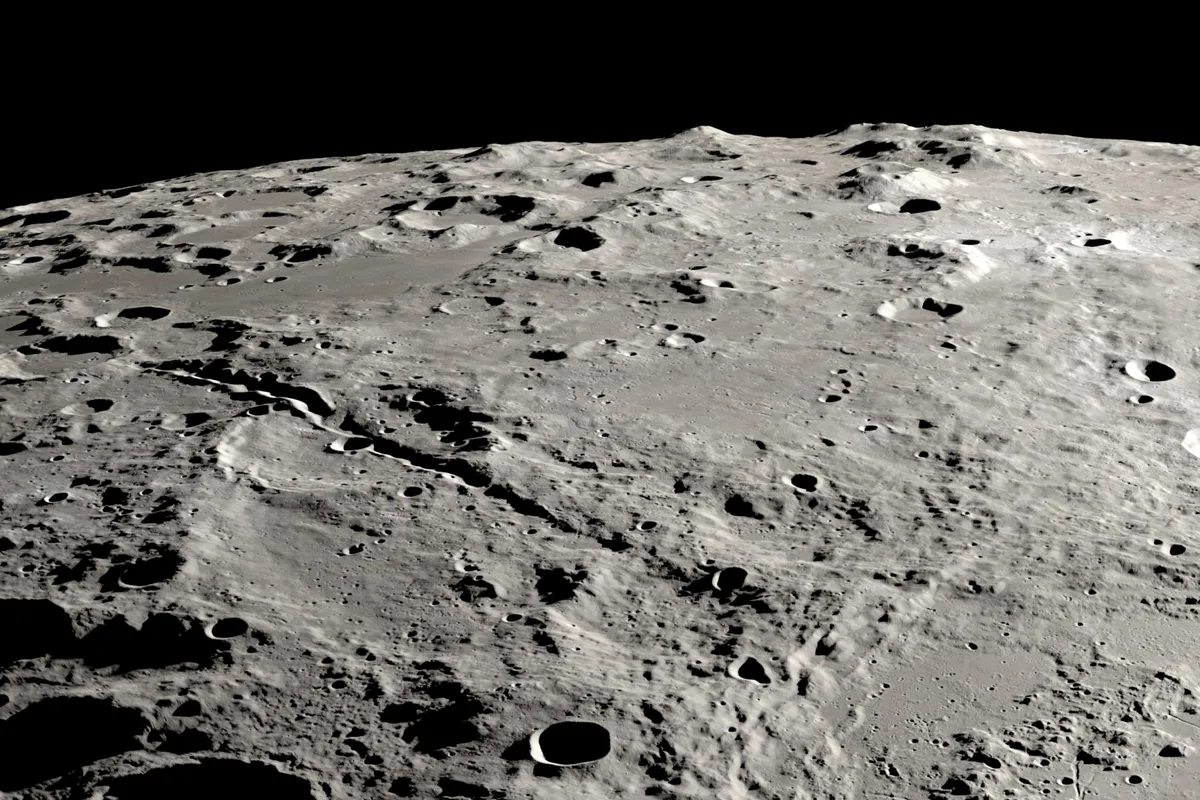
Al JazeeraFIG 01
Reading time
2min
Word count
276words
Sources cited
1cited
Entities identified
10entities
Quality score
100%
§ 01
Briefing Summary
AI-generatedNEWSAR · AI
NASA, under Administrator Jared Isaacman, announced a strategic shift in its Moon-to-Mars program on March 24, 2026. The agency will invest $20 billion over seven years to establish a lunar base on the moon's surface, replacing previous plans for a lunar-orbit space station. This base aims to support long-term human presence, with robotic missions preceding astronaut landings to prepare the site and build infrastructure. NASA also plans to launch Space Reactor 1 Freedom before 2029, a nuclear-powered spacecraft designed to demonstrate nuclear electric propulsion en route to Mars. This mission will also deploy helicopters on Mars, similar to the Ingenuity project, to advance nuclear propulsion technology for future space missions.
Confidence 0.90Sources 1Claims 5Entities 10
§ 02
Article analysis
Model · rule-basedFraming
Technology
Political Strategy
Tone
Measured
AI-assessed
CalmNeutralAlarmist
Factuality
0.90 / 1.00
Factual
LowHigh
Sources cited
1
Limited
FewMany
§ 03
Key claims
5 extracted01
The agency will increase robotic missions to the moon.
quoteNASA Administrator Jared Isaacman
Confidence
1.00
02
Jared Isaacman, appointed by US President Donald Trump, took charge in December.
factualArticle
Confidence
1.00
03
The planned moon base is intended to support long-term human presence on the lunar surface.
factualNASA
Confidence
1.00
04
NASA plans to launch a spacecraft called Space Reactor 1 Freedom before the end of 2028.
factualNASA
Confidence
1.00
05
NASA will spend $20bn over the next seven years to build a base on the moon’s surface.
factualNASA
Confidence
1.00
§ 04
Full report
2 min read · 276 words§ 05
Entities
10 identifiedKey playerOppositionContextPositiveNeutralNegative
Organizations1
§ 06
Keywords & salience
8 termsmoon base
0.90
mars spacecraft
0.80
nuclear propulsion
0.70
robotic missions
0.60
lunar surface
0.50
artemis programme
0.50
deep space
0.40
space reactor 1 freedom
0.40
§ 07
Topic connections
Interactive graph Network visualization showing 9 related topics
View Full Graph Person Organization Location Event|Click node to navigate|Edge numbers = shared articles