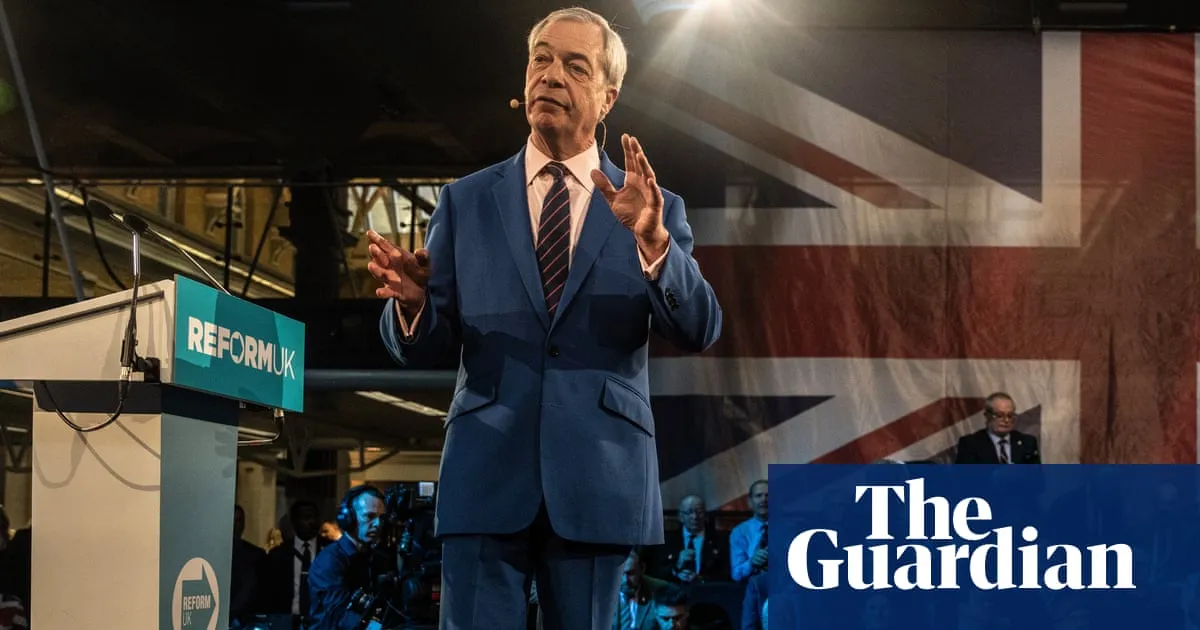
Political donations from British citizens living abroad are to be capped at £100,000 a year from Wednesday, in a move that is likely to limit further funding from Reform UK’s Thailand-based mega-donor, Christopher Harborne.In a hugely significant move, the government said it would introduce the strict cap, as well as a temporary ban on donations in cryptocurrency, in its new representation of the people bill.Steve Reed, the communities secretary, said the legislation would be applied retrospectively from Wednesday subject to parliamentary approval, as the move was urgently needed to protect UK democracy.He said he was “not prepared to allow any window of opportunity for malign actors” to interfere in the UK’s electoral system.The decision will be a big blow to Reform UK, which has received about £12m in the past year from Harborne and other funding from a number of donors based in Monaco. Reform is also the only major political party to accept donations in cryptocurrency. It previously said it had accepted donations in cryptocurrency, but so far none have been declared above the £11,180 threshold.The emergency measures are being brought in on the recommendation of Philip Rycroft, a former leading civil servant. He said the actions were needed to prevent the risk of foreign interference in British politics, saying donations from abroad were more difficult to trace and regulate.He also said there was a question of fairness when overseas donors were not subject to the same tax requirements as UK residents, recommending an annual cap between £100,000 and £300,000.He cited the threat of influence from hostile foreign states such as Russia, China and Iran, saying divisive internet commentary about Scottish independence had dropped by about a quarter when Iran’s internet blackout took place.The senior former official also highlighted the risk of influence by actors from allies such as the US, where the billionaire Elon Musk has floated the idea of trying to put money into British politics.Rycroft’s review was ordered by the government after the conviction of the former Reform UK politician Nathan Gill for accepting bribes from Russia-linked sources. In a foreword to his report, he said he was “not pressing the panic button but I am ringing the alarm bell” about the risk of foreign interference in the UK political system.Some of his advice is likely to be debated and enacted in the government’s new elections bill.His other recommendations include: Requiring third-party campaigners to declare donations all year round, not just election periods, and allowing funding only from permissible donors. More stringent checks on the source of funds from political donors, bringing it more into line with know-your-customer checks in the financial services industry. Preventing donations from shell companies by ensuring funding is from post-tax profits rather than revenue. Requiring foreign consultant lobbyists to join the official register, from which they are currently exempt because they do not charge VAT. Banning foreign-funded political adverts outright. Rycroft also suggested parliament should consider lowering the threshold for requiring parties to declare donations, which is set at £11,180, meaning sums below this level are kept private.He made further suggestions that the government could look at the influence of foreign-based betting shifting the odds on political gambling markets and the risk of foreign actors releasing biased polling to sway the electorate at critical moments in the democratic cycle.On the suggested cap on donations from overseas British voters, the report said tracing the source of such funds was more complex than for domestic donations. It said the “investigatory route is more complex for the Electoral Commission and other authorities of malfeasance is suspected” and raised the issue that those who had chosen to minimise their contribution to the UK exchequer could make “gamechanging donations to British politics”.On crypto donations, Rycroft said he did not think a full ban was necessary but that he was recommending a moratorium to allow the regulators to catch up, as “there is a risk that crypto assets are used as a vehicle to channel in foreign money”. He advised that the temporary ban should apply to all levels of donations in crypto and end only once parliament and the Electoral Commission were sure the rules were effective.
SRCThe Guardian - World News
LANGEN
LEANCenter-Left
WORDS691
ENT12
WED · 2026-03-25 · 13:56 GMTBRIEF NSR-2026-0325-34932
NSR-2026-0325-34932News Report·EN·Political Strategy
Overseas funding capped and crypto donations blocked in blow to Reform UK
The UK government is capping political donations from British citizens living abroad at £100,000 annually and temporarily banning cryptocurrency donations, effective Wednesday, to safeguard against foreign interference in elections. This move, part of a new representation of the people bill, follows concerns raised by a former civil servant, Philip Rycroft, about the difficulty in tracing and regulating overseas funding and the potential for undue influence.
Rowena Mason Whitehall editorThe Guardian - World NewsFiled 2026-03-25 · 13:56 GMTLean · Center-LeftRead · 3 min
The Guardian - World NewsFIG 01
Reading time
3min
Word count
691words
Sources cited
3cited
Entities identified
12entities
Quality score
100%
§ 01
Briefing Summary
AI-generatedNEWSAR · AI
The UK government is capping political donations from British citizens living abroad at £100,000 annually and temporarily banning cryptocurrency donations, effective Wednesday, to safeguard against foreign interference in elections. This move, part of a new representation of the people bill, follows concerns raised by a former civil servant, Philip Rycroft, about the difficulty in tracing and regulating overseas funding and the potential for undue influence. The legislation is a significant blow to Reform UK, which has received substantial funding from overseas donors like Christopher Harborne and accepts cryptocurrency donations. The government's decision is motivated by the need to protect UK democracy from malign actors and potential interference from hostile states and even allies. The measures are being implemented urgently, pending parliamentary approval.
Confidence 0.90Sources 3Claims 5Entities 12
§ 02
Article analysis
Model · rule-basedFraming
Political Strategy
National Security
Tone
Measured
AI-assessed
CalmNeutralAlarmist
Factuality
0.80 / 1.00
Factual
LowHigh
Sources cited
3
Well sourced
FewMany
§ 03
Key claims
5 extracted01
Steve Reed said the legislation would be applied retrospectively from Wednesday subject to parliamentary approval.
quoteSteve Reed
Confidence
1.00
02
The emergency measures are being brought in on the recommendation of Philip Rycroft, a former leading civil servant.
factualnull
Confidence
1.00
03
Reform UK has received about £12m in the past year from Christopher Harborne and other donors based in Monaco.
factualnull
Confidence
1.00
04
The government will introduce a strict cap on overseas donations and a temporary ban on cryptocurrency donations.
factualnull
Confidence
1.00
05
Political donations from British citizens living abroad are to be capped at £100,000 a year from Wednesday.
factualnull
Confidence
1.00
§ 04
Full report
3 min read · 691 words§ 05
Entities
12 identifiedKey playerOppositionContextPositiveNeutralNegative
People5
Organizations1
§ 06
Keywords & salience
10 termspolitical donations
0.90
reform uk
0.90
foreign interference
0.80
overseas funding
0.80
cryptocurrency donations
0.70
christopher harborne
0.70
uk democracy
0.60
election bill
0.60
malign actors
0.50
financial regulation
0.40
§ 07
Topic connections
Interactive graph Network visualization showing 51 related topics
View Full Graph Person Organization Location Event|Click node to navigate|Edge numbers = shared articles