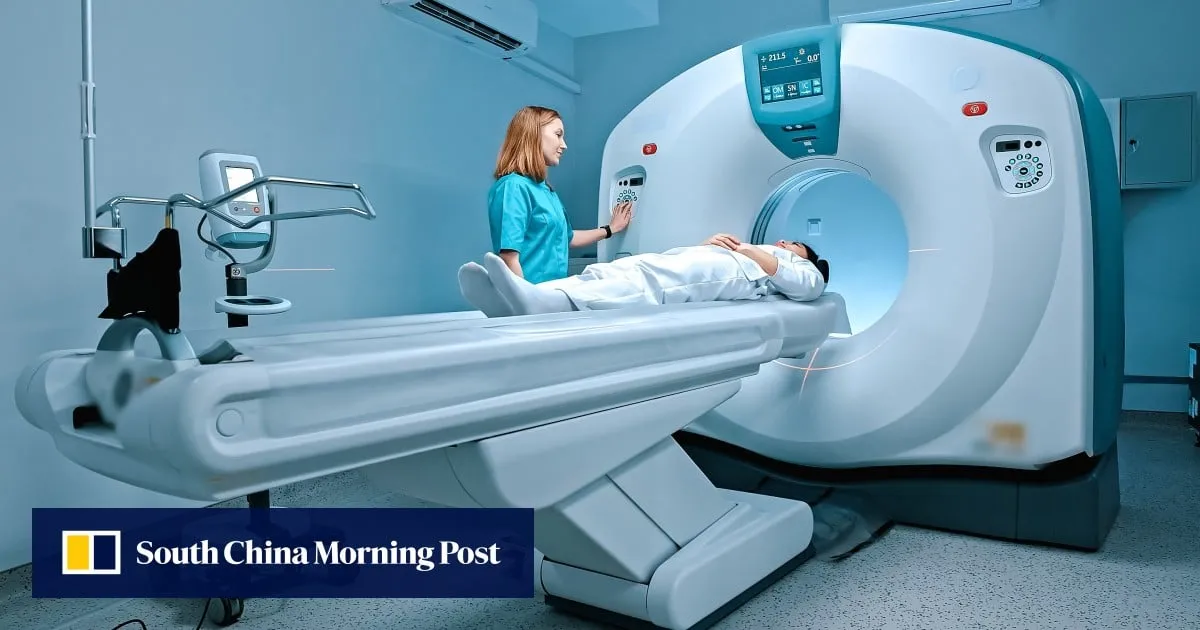
Beyond oil, the Middle East conflict is fuelling fears of a shortage of helium – a by-product of liquefied natural gas (LNG) production that is critical for semiconductors, aerospace applications and high-end medical equipment.The medical sector is on alert, as magnetic resonance imaging machines depend on liquid helium to cool their superconducting magnets, and a supply crunch could jeopardise diagnostic services.A warning from Marc Johnson, a virologist and professor at the University of Missouri, this week on the potential disruption of liquid helium supplies highlighted a growing unease over how the effects of the conflict, which began when the US and Israel launched attacks on Iran on February 28, could ripple through everyday life. Iran has retaliated with strikes on energy infrastructure across the Middle East.“I hope no one needs an MRI this year,” Johnson wrote in a social media post on Tuesday. “The world’s largest producer of liquefied helium is in Qatar and is shut off. We just got a notice that our supply for the year will be at least cut in half. No one could have predicted this (unless they thought about it).”Helium prices had roughly doubled since the conflict began, Shelley Jang, director of corporate ratings at Fitch Ratings’ branch in Seoul, said on Thursday.Unlike crude oil or grain, helium is difficult to store. Liquid helium is subject to constant boil-off within a transport window lasting roughly 45 days, meaning the market relies on rapid throughput and logistics, rather than long-term stockpiling.
SRCSouth China Morning Post
LANGEN
LEANCenter-Right
WORDS246
ENT10
FRI · 2026-03-27 · 10:00 GMTBRIEF NSR-2026-0327-38808
NSR-2026-0327-38808News Report·EN·Economic Impact
From semiconductors to medical tech, Iran war puts helium users on edge
The conflict in the Middle East is raising concerns about a potential helium shortage, impacting industries reliant on this byproduct of liquefied natural gas. Qatar, a major helium producer, has reportedly shut down production due to the conflict that began in late February when the US and Israel launched attacks on Iran, who retaliated with strikes on energy infrastructure.
Carol YangSouth China Morning PostFiled 2026-03-27 · 10:00 GMTLean · Center-RightRead · 1 min
South China Morning PostFIG 01
Reading time
1min
Word count
246words
Sources cited
2cited
Entities identified
10entities
Quality score
100%
§ 01
Briefing Summary
AI-generatedNEWSAR · AI
The conflict in the Middle East is raising concerns about a potential helium shortage, impacting industries reliant on this byproduct of liquefied natural gas. Qatar, a major helium producer, has reportedly shut down production due to the conflict that began in late February when the US and Israel launched attacks on Iran, who retaliated with strikes on energy infrastructure. This disruption threatens the supply of liquid helium, crucial for cooling MRI machines in the medical sector and for semiconductor and aerospace applications. Experts warn that the limited storage capacity of liquid helium, due to its rapid boil-off, exacerbates the problem, making the market dependent on continuous production and delivery. Helium prices have already doubled since the conflict began, raising fears of further disruptions to essential services.
Confidence 0.90Sources 2Claims 5Entities 10
§ 02
Article analysis
Model · rule-basedFraming
Economic Impact
Public Health
Tone
Mixed Tone
AI-assessed
CalmNeutralAlarmist
Factuality
0.70 / 1.00
Factual
LowHigh
Sources cited
2
Limited
FewMany
§ 03
Key claims
5 extracted01
Liquid helium is subject to constant boil-off within a transport window lasting roughly 45 days.
factual
Confidence
1.00
02
MRI machines depend on liquid helium to cool their superconducting magnets.
factual
Confidence
1.00
03
Helium prices had roughly doubled since the conflict began.
statisticShelley Jang
Confidence
0.90
04
Middle East conflict is fuelling fears of a shortage of helium.
factual
Confidence
0.80
05
The world’s largest producer of liquefied helium is in Qatar and is shut off.
quoteMarc Johnson
Confidence
0.70
§ 04
Full report
1 min read · 246 words§ 05
Entities
10 identifiedKey playerOppositionContextPositiveNeutralNegative
Locations5
Events1
§ 06
Keywords & salience
8 termshelium shortage
0.90
middle east conflict
0.80
liquid helium
0.70
medical equipment
0.70
mri
0.60
supply chain
0.50
semiconductors
0.50
lng
0.40
§ 07
Topic connections
Interactive graph Network visualization showing 51 related topics
View Full Graph Person Organization Location Event|Click node to navigate|Edge numbers = shared articles