For a few weeks after the bombs started falling on Iran, Southeast Asian governments told their people not to worry. Emergency funds would cushion the blow. Subsidies would hold. Prices would stabilise.A month on, with oil well above US$100 a barrel, long queues for fuel forming at petrol stations across the region and Thailand restarting coal plants it had mothballed years ago, the reassurances have worn thin.Against this backdrop, an old question has resurfaced with fresh urgency: why does a region rich in sun, rivers and geothermal heat still depend on a strait it cannot control for the energy that powers its economies?The answer, analysts say, is an idea that has been sitting in a drawer for decades. The Asean-power-grid" class="entity-link entity-organization" data-entity-id="77866" data-entity-type="organization">Asean Power Grid – a vision for connecting the national electricity networks of all 11 member states through a web of overland and undersea cables – was designed precisely to address this kind of vulnerability.A workers checks solar panels in Depok, Indonesia, From hydropower in Laos and Myanmar to solar in the Philippines and Indonesia, Southeast Asia has vast renewable energy potential. Photo: EPA-EFEBy pooling the region’s enormous and diverse renewable energy potential, from hydropower in Laos and Myanmar to solar in the Philippines and geothermal beneath Indonesia’s volcanic Sumatra, the grid would give Southeast Asia the ability to generate and trade its own clean electricity rather than import fossil fuels it cannot price or secure.The war that erupted on February 28, when US and Israeli strikes on Tehran triggered Iran’s near-total blockade of the Strait of Hormuz, has exposed just how precarious that foundation always was.
SRCSouth China Morning Post
LANGEN
LEANCenter-Right
WORDS266
ENT12
SAT · 2026-03-28 · 00:00 GMTBRIEF NSR-2026-0328-40119
NSR-2026-0328-40119News Report·EN·Economic Impact
Iran war energy shock revives Asean’s power grid plans: ‘it’s the way to go’
The conflict in Iran and subsequent energy price spikes have renewed interest in the ASEAN Power Grid. This initiative, conceived decades ago, aims to connect the electricity networks of all 11 ASEAN member states.
Joseph Sipalan,Ushar DanieleSouth China Morning PostFiled 2026-03-28 · 00:00 GMTLean · Center-RightRead · 2 min
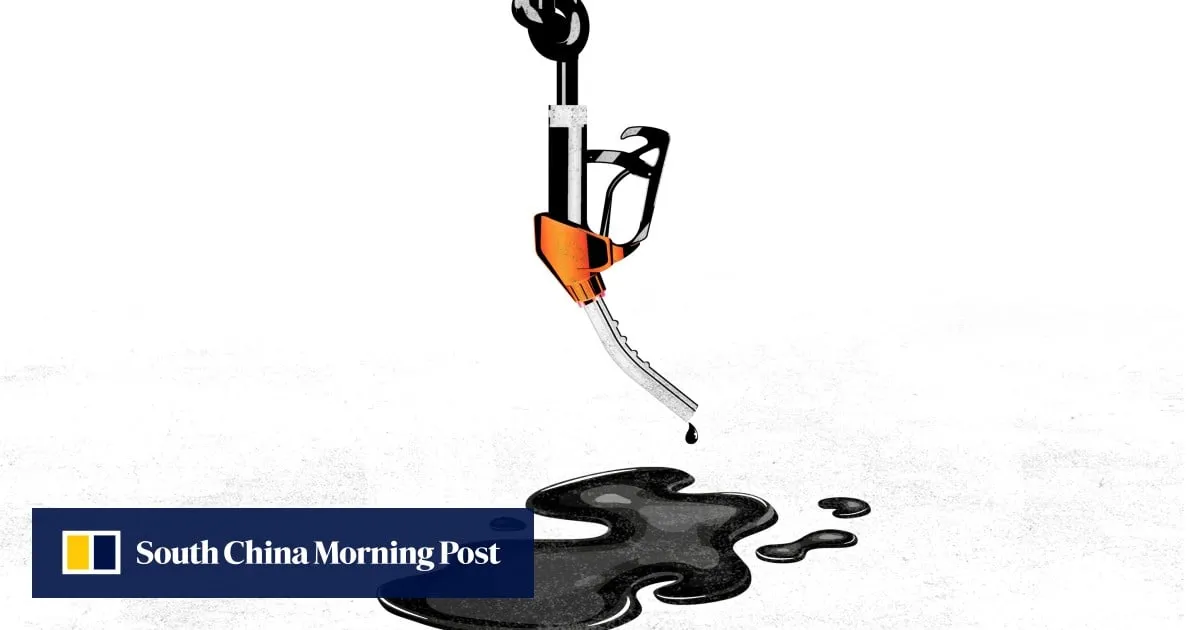
South China Morning PostFIG 01
Reading time
2min
Word count
266words
Sources cited
1cited
Entities identified
12entities
Quality score
100%
§ 01
Briefing Summary
AI-generatedNEWSAR · AI
The conflict in Iran and subsequent energy price spikes have renewed interest in the ASEAN Power Grid. This initiative, conceived decades ago, aims to connect the electricity networks of all 11 ASEAN member states. The goal is to reduce the region's dependence on imported fossil fuels by pooling diverse renewable energy sources like hydropower, solar, and geothermal. The war, which began in late February, exposed Southeast Asia's vulnerability to disruptions in the Strait of Hormuz, a key oil transit route. By creating a regional energy trading system, the ASEAN Power Grid seeks to provide a more secure and sustainable energy future for the region.
Confidence 0.90Sources 1Claims 5Entities 12
§ 02
Article analysis
Model · rule-basedFraming
Economic Impact
National Security
Tone
Mixed Tone
AI-assessed
CalmNeutralAlarmist
Factuality
0.60 / 1.00
Mixed
LowHigh
Sources cited
1
Limited
FewMany
§ 03
Key claims
5 extracted01
The Asean Power Grid aims to connect the national electricity networks of all 11 member states.
factualnull
Confidence
1.00
02
Oil prices rose above US$100 a barrel after the Iran war began.
factualnull
Confidence
1.00
03
Thailand restarted mothballed coal plants due to rising fuel prices.
factualnull
Confidence
0.90
04
Southeast Asian governments initially reassured their people about the economic impact of the Iran war.
factualnull
Confidence
0.90
05
US and Israeli strikes on Tehran triggered Iran’s near-total blockade of the Strait of Hormuz.
factualnull
Confidence
0.80
§ 04
Full report
2 min read · 266 words§ 05
Entities
12 identifiedKey playerOppositionContextPositiveNeutralNegative
§ 06
Keywords & salience
9 termsasean power grid
1.00
energy security
0.90
renewable energy
0.80
energy crisis
0.70
fossil fuels
0.60
strait of hormuz
0.60
southeast asia
0.50
hydropower
0.40
geothermal energy
0.40
§ 07
Topic connections
Interactive graph Network visualization showing 51 related topics
View Full Graph Person Organization Location Event|Click node to navigate|Edge numbers = shared articles