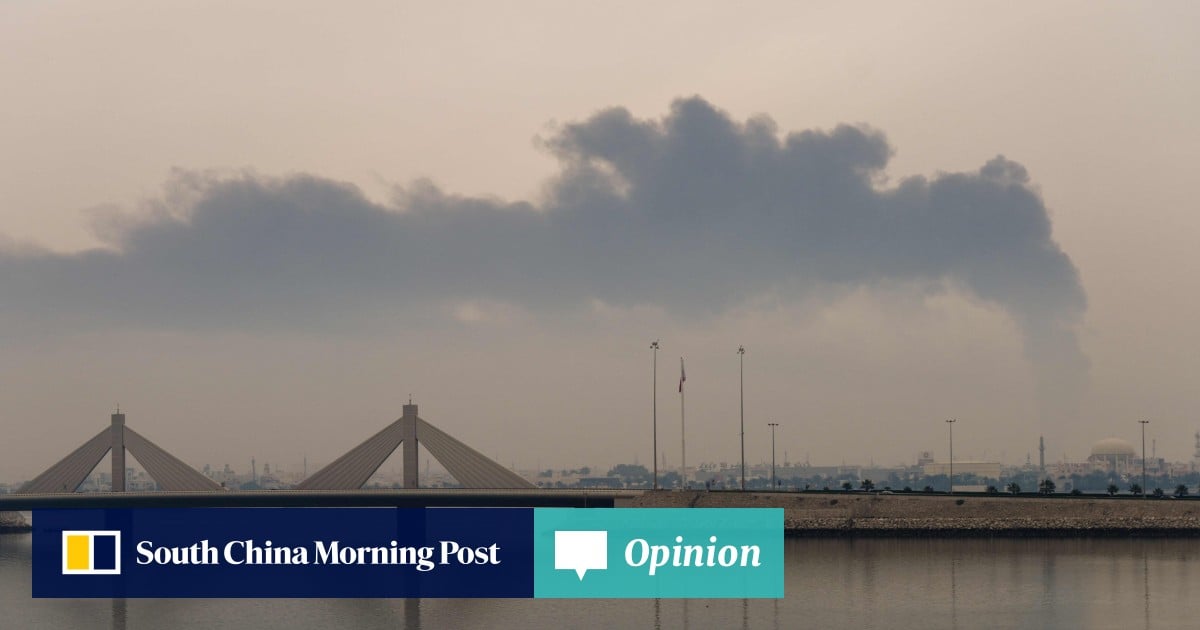
On March 1, after Israel and the United States initiated attacks against Iran, Amazon Web Services reported drone strikes against data centre facilities in the United Arab Emirates and Bahrain. The strikes caused structural damage to the company’s infrastructure, impairing cloud services for those countries.Iran warned that US tech companies with Israeli links, including Google, Microsoft, Palantir, Nvidia and Oracle, were on Tehran’s list of “legitimate targets” for countermeasures.Strikes on data centres in West Asia matter far beyond their blast radius. The implications are profound for Southeast Asia, a region aspiring to be a digital and artificial intelligence (AI) hub and which has sought to insulate itself from the scrappy blows of geopolitics.As technological shifts substantially reshape the nature of conflict, the targeting of digital infrastructure – including privately owned data centres – was always only going to be a matter of time in an active conflict.The convergence of AI-powered data analytics, cloud storage and military operations means that in highly digitised societies, the line between economic disruption and strategic jeopardy can be indiscernible. The data centres and algorithms that underwrite banking, healthcare, education and public administration for millions of civilians could also double as military targets for destruction.Unless companies are proudly announcing their participation in “kill chains” in the US and elsewhere, there is not always a clear separation between civilian and military uses of cloud storage or AI workflows.
SRCSouth China Morning Post
LANGEN
LEANCenter-Right
WORDS231
ENT12
SAT · 2026-03-28 · 21:30 GMTBRIEF NSR-2026-0328-41323
NSR-2026-0328-41323Analysis·EN·National Security
AI infrastructure on the front line: Lessons for Asean from the Iran war
Following reported attacks by Israel and the US against Iran on March 1, Amazon Web Services reported drone strikes on data centers in the UAE and Bahrain, impacting cloud services. Iran then warned that US tech companies with Israeli links, including Google and Microsoft, were potential targets.
Elina NoorSouth China Morning PostFiled 2026-03-28 · 21:30 GMTLean · Center-RightRead · 1 min
South China Morning PostFIG 01
Reading time
1min
Word count
231words
Sources cited
1cited
Entities identified
12entities
Quality score
100%
§ 01
Briefing Summary
AI-generatedNEWSAR · AI
Following reported attacks by Israel and the US against Iran on March 1, Amazon Web Services reported drone strikes on data centers in the UAE and Bahrain, impacting cloud services. Iran then warned that US tech companies with Israeli links, including Google and Microsoft, were potential targets. This incident highlights the vulnerability of digital infrastructure, including privately owned data centers, in modern conflict. The convergence of AI, cloud storage, and military operations blurs the line between economic disruption and strategic threats. This has significant implications for Southeast Asia, a region aiming to become a digital and AI hub, as data centers supporting civilian services could also become military targets. The article suggests a need to recognize the potential for digital infrastructure to be targeted in geopolitical conflicts.
Confidence 0.90Sources 1Claims 5Entities 12
§ 02
Article analysis
Model · rule-basedFraming
National Security
Technology
Tone
Measured
AI-assessed
CalmNeutralAlarmist
Factuality
0.60 / 1.00
Mixed
LowHigh
Sources cited
1
Limited
FewMany
§ 03
Key claims
5 extracted01
Iran warned that US tech companies with Israeli links were on Tehran’s list of “legitimate targets”.
quoteIran
Confidence
0.90
02
Amazon Web Services reported drone strikes against data centre facilities in the United Arab Emirates and Bahrain.
factualAmazon Web Services
Confidence
0.90
03
Israel and the United States initiated attacks against Iran.
factualArticle's own claim
Confidence
0.80
04
The data centres and algorithms that underwrite banking, healthcare, education and public administration could also double as military targets.
factualArticle's own claim
Confidence
0.70
05
The targeting of digital infrastructure was always only going to be a matter of time in an active conflict.
predictionArticle's own claim
Confidence
0.60
§ 04
Full report
1 min read · 231 words§ 05
Entities
12 identifiedKey playerOppositionContextPositiveNeutralNegative
Organizations6
§ 06
Keywords & salience
10 termsai infrastructure
0.90
data centers
0.80
cyber warfare
0.70
cloud services
0.70
geopolitics
0.60
artificial intelligence
0.60
digital infrastructure
0.50
iran war
0.50
military operations
0.50
southeast asia
0.40
§ 07
Topic connections
Interactive graph Network visualization showing 51 related topics
View Full Graph Person Organization Location Event|Click node to navigate|Edge numbers = shared articles