China is introducing a law to stop people storing the ashes of their dead relatives in empty high-rise flats rather than paying steep costs for increasingly scarce cemetery plots.China’s new funeral management legislation will prohibit the use of “residential housing specifically for the purpose of storing cremated remains” and the burial of corpses or construction of tombs in “areas other than public cemeteries”.The law will come into force on Tuesday ahead of Sunday’s Qingming grave-sweeping festival – a traditional Chinese celebration in which people clean their ancestors’ tombs and make ritual offerings.The practice of using an apartment to store ashes, known as a “guhui fang”, or bone ash apartments, has grown as rapid urbanisation and a fast-ageing population increases competition and cost for limited cemetery plots in cities.The empty apartment is used as a ritual hall, with people transforming the space into ancestral shrines with candles, red lights and urns lined up by generation.After Japan, China’s funeral expenses are the second-highest in the world, according to a 2020 global funeral expense survey conducted by insurer SunLife.In contrast, property prices fell 40% between 2021 and 2025, caused in part by Xi Jinping’s campaign – “properties are for living in, not for speculation” – to curb excessive speculation in the real estate market.China’s cemetery plots also only come with a 20-year lease, while residential properties carry government-backed 70-year usage rights. Consequently, many Chinese citizens now view apartments as better value than cemeteries as a place to store the remains of their loved ones.Graves at a cemetery in Dagantangcun, 30km east of Beijing. Photograph: Fred Dufour/AFP/GettyA hashtag associated with the ban has been viewed more than 7m times on Weibo, China’s equivalent of X, with social media users expressing scepticism about the measure.“Who’s going to go in and check? Or are they planning to put a GPS tracker on every single urn?” said one user. “Even at 90% off, cemetery plots are still too expensive,” another wrote.China has one of the world’s fastest-growing ageing populations. It recorded 11.3m deaths in 2025, up from 9.8m in 2015, and far more than the country’s 7.9m births the same year.Facing a rising number of burials and increasingly limited land supply, authorities in big cities such as Shanghai are subsidising costs for those who opt for “ecological burial methods”, including “deep-ground burial or sea burial of cremated remains”.In 2025, Shanghai’s sea burials reached a record high, exceeding 10,000 cases for the first time.Additional reporting by Lillian Yang
SRCThe Guardian - World News
LANGEN
LEANCenter-Left
WORDS410
ENT7
TUE · 2026-03-31 · 04:54 GMTBRIEF NSR-2026-0331-44513
NSR-2026-0331-44513News Report·EN·Economic Impact
China to ban storing remains of dead in ‘bone ash apartments’
China is introducing a new law on Tuesday prohibiting the storage of cremated remains in residential apartments, a practice known as "bone ash apartments," due to the rising cost and scarcity of cemetery plots. This law, coinciding with the Qingming festival, also bans burials outside designated public cemeteries.
Alastair McCready in TaipeiThe Guardian - World NewsFiled 2026-03-31 · 04:54 GMTLean · Center-LeftRead · 2 min
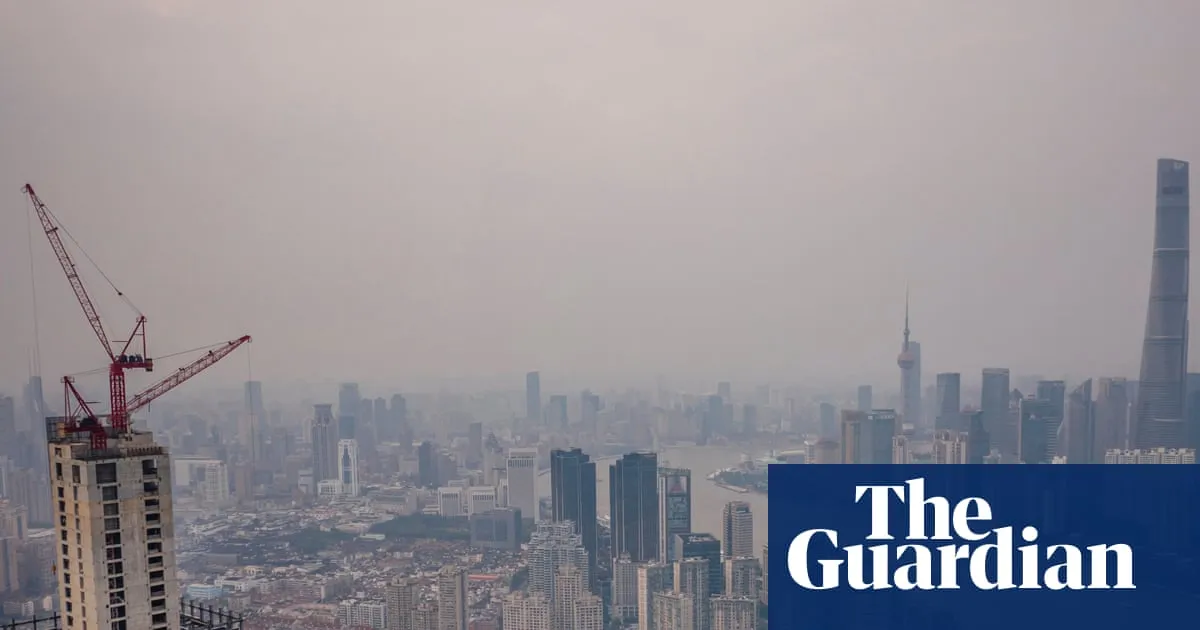
The Guardian - World NewsFIG 01
Reading time
2min
Word count
410words
Sources cited
2cited
Entities identified
7entities
Quality score
100%
§ 01
Briefing Summary
AI-generatedNEWSAR · AI
China is introducing a new law on Tuesday prohibiting the storage of cremated remains in residential apartments, a practice known as "bone ash apartments," due to the rising cost and scarcity of cemetery plots. This law, coinciding with the Qingming festival, also bans burials outside designated public cemeteries. The practice of using apartments as ancestral shrines has grown due to rapid urbanization, an aging population, and the high cost of funerals in China. Many citizens view apartments as a more affordable and longer-term alternative to cemetery plots, which have short-term leases. The ban has sparked skepticism online, with users questioning its enforcement and highlighting the continued expense of cemetery plots. China faces a growing number of deaths and limited land, leading some cities to subsidize ecological burial methods.
Confidence 0.90Sources 2Claims 5Entities 7
§ 02
Article analysis
Model · rule-basedFraming
Economic Impact
Political Strategy
Tone
Measured
AI-assessed
CalmNeutralAlarmist
Factuality
0.80 / 1.00
Factual
LowHigh
Sources cited
2
Limited
FewMany
§ 03
Key claims
5 extracted01
Even at 90% off, cemetery plots are still too expensive.
quoteWeibo user
Confidence
1.00
02
China’s cemetery plots only come with a 20-year lease.
factual
Confidence
1.00
03
Property prices fell 40% between 2021 and 2025.
statistic
Confidence
1.00
04
After Japan, China’s funeral expenses are the second-highest in the world.
statisticSunLife
Confidence
1.00
05
China is introducing a law to ban storing ashes of dead relatives in empty high-rise flats.
factual
Confidence
1.00
§ 04
Full report
2 min read · 410 words§ 05
Entities
7 identifiedKey playerOppositionContextPositiveNeutralNegative
Organizations2
§ 06
Keywords & salience
10 termsbone ash apartments
1.00
cemetery plots
0.90
cremated remains
0.80
funeral management
0.70
funeral expenses
0.60
ageing population
0.60
qingming festival
0.50
urbanization
0.50
ecological burial methods
0.40
property speculation
0.40
§ 07
Topic connections
Interactive graph Network visualization showing 51 related topics
View Full Graph Person Organization Location Event|Click node to navigate|Edge numbers = shared articles