Labour ministers sent out in recent days to respond to the looming energy crisis sparked by the Iran war have essentially stuck to that reassuring wartime slogan: keep calm and carry on.“I think people should go about their lives as normal, knowing that the government is taking action to bring energy bills down,” James Murray, the chief secretary to the Treasury, told BBC Radio 4’s Today programme on Tuesday.But as the oil price surges once more, there are growing fears the government’s “don’t panic” messaging may be underplaying the scale of the challenges ahead and crowding out sensible advice on cutting consumption.“It’s the wrong message,” says Andrew Sissons, the director of the climate programme at research foundation Nesta, referring to the government’s communications so far on the war’s impact. “The reality is that the global supply of oil and gas is going to be down by maybe 20%. It’s a supply crisis, which means everybody needs to consume less.”Part of Labour’s challenge is that it dearly wants to claim credit for the £117-a-year cut to household utility bills that was a central theme in the chancellor Rachel Reeves’s autumn budget.That reduction, paid for by shifting the cost of green schemes on to general taxation and scrapping a flawed energy efficiency scheme, comes into effect in April.Yet it is already clear that the cost of household energy will rise again in the summer, when the next quarterly price cap is set. The latest forecast from consultancy Cornwall Insight estimates the cost of a dual-fuel bill will rise by 17.6% from July – swamping the 7% cut in April.Meanwhile, oil and petrol prices have leapt since the start of Donald Trump’s bombing campaign and Iran’s retaliatory strikes. Over time, these higher costs are expected to feed through to prices across a wide range of products.The price of diesel almost reached £2 a litre on Tuesday. Photograph: Martin Pope/Getty ImagesSo having put tackling the cost of living at the heart of their pitch to the public, ministers now face having to explain why energy inflation is expected to increase once again.No government wants to sow panic – less still panic buying – so the “keep calm” message is understandable. Talking down the economy, by denting fragile consumer confidence, is also the last thing they want to do.And the government is also trying to face down a vociferous campaign from opposition parties about Reeves’s plans to reverse the Tories’ 5p cut to fuel duty, in three steps from September to next March.While income from VAT on fuel will rise as a result of higher prices, wider tax revenues will be hit by the increasingly expected economic slowdown – and the government’s cost of borrowing has risen too since the crisis began, jeopardising Reeves’s fiscal targets.It is these fears over tax and spend that have prompted the chancellor to insist that any help with utility bills must be “targeted” – a view widely shared by thinktanks, including the Institute for Fiscal Studies and the Resolution Foundation.But the government has found itself unwilling or unable to make the other part of this argument – that many people will have to brace themselves for higher bills, and it would be a good thing if, as a society, we could crimp our energy use.Sissons argues: “The message from the government should be: number one, be more efficient wherever you can – where you can save energy without going cold or stopping travelling, then do; and number two, this is a great time to be switching away from oil and gas on to clean electricity, on to heat pumps and electric vehicles, which is exactly what the government wants us to be doing anyway.”Jill Rutter, of the Institute for Government thinktank, once a senior civil servant in the Treasury, says she would prefer a message that was more like “keep calm, but you can probably find some quite useful savings,” adding: “There are things you can do to manage down your consumption.”Labour is understandably keen to avoid anything that might smack of the “nanny state”, let alone the dread word “rationing”. But the risk is that, as the conflict continues, “keep calm and carry on” sounds increasingly adrift from reality.
SRCThe Guardian - World News
LANGEN
LEANCenter-Left
WORDS701
ENT10
WED · 2026-04-01 · 06:00 GMTBRIEF NSR-2026-0401-46485
NSR-2026-0401-46485Analysis·EN·Economic Impact
Energy crisis: why ‘keep calm but cut down’ may be a better message for Labour
Amidst the energy crisis sparked by the Iran war, Labour ministers are urging the public to remain calm, similar to a wartime slogan. However, experts suggest this message underplays the challenges and overshadows the need to cut consumption due to a potential 20% reduction in global oil and gas supply.
Heather StewartThe Guardian - World NewsFiled 2026-04-01 · 06:00 GMTLean · Center-LeftRead · 3 min
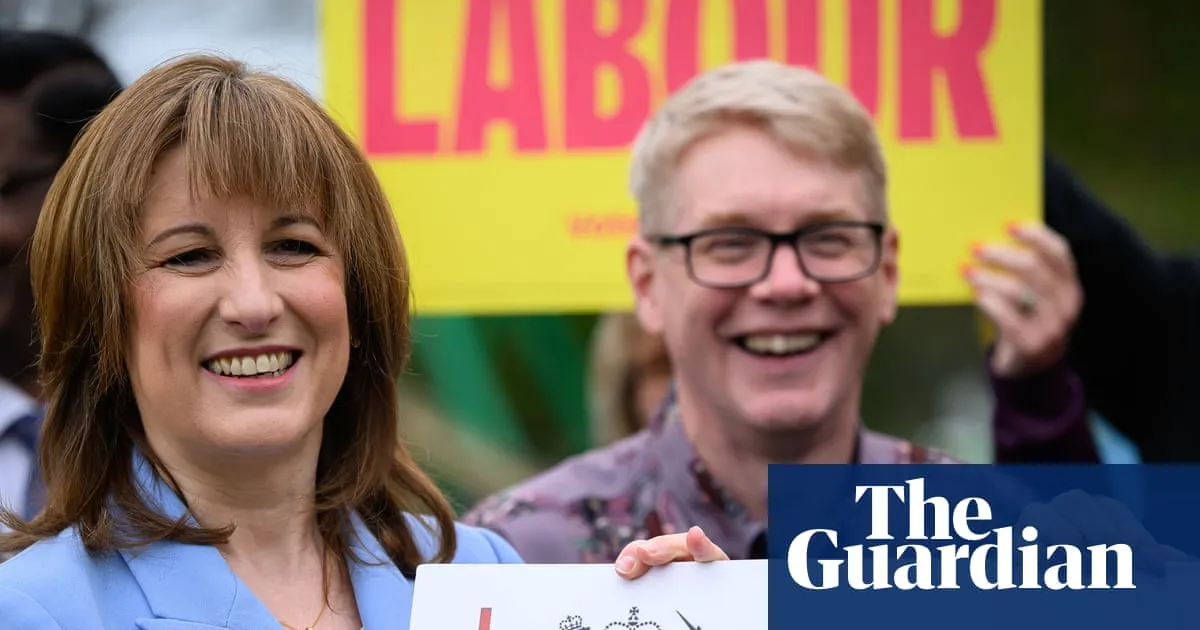
The Guardian - World NewsFIG 01
Reading time
3min
Word count
701words
Sources cited
3cited
Entities identified
10entities
Quality score
100%
§ 01
Briefing Summary
AI-generatedNEWSAR · AI
Amidst the energy crisis sparked by the Iran war, Labour ministers are urging the public to remain calm, similar to a wartime slogan. However, experts suggest this message underplays the challenges and overshadows the need to cut consumption due to a potential 20% reduction in global oil and gas supply. While Labour plans to cut household utility bills by £117 a year in April, energy costs are forecasted to rise again in July by 17.6%, offsetting the initial reduction. Rising oil and petrol prices are expected to further impact the cost of living. The government faces the challenge of explaining why energy inflation is expected to increase again, while also addressing opposition to planned fuel duty increases.
Confidence 0.90Sources 3Claims 5Entities 10
§ 02
Article analysis
Model · rule-basedFraming
Economic Impact
Political Strategy
Tone
Measured
AI-assessed
CalmNeutralAlarmist
Factuality
0.70 / 1.00
Factual
LowHigh
Sources cited
3
Well sourced
FewMany
§ 03
Key claims
5 extracted01
The government is trying to face down a vociferous campaign from opposition parties about Reeves’s plans to reverse the Tories’ 5p cut to fuel duty.
factualnull
Confidence
1.00
02
A £117-a-year cut to household utility bills comes into effect in April.
factualnull
Confidence
1.00
03
Oil and petrol prices have leapt since the start of Donald Trump’s bombing campaign and Iran’s retaliatory strikes.
factualnull
Confidence
0.90
04
The cost of a dual-fuel bill will rise by 17.6% from July.
statisticCornwall Insight
Confidence
0.90
05
The global supply of oil and gas is going to be down by maybe 20%.
quoteAndrew Sissons, director of the climate programme at Nesta
Confidence
0.80
§ 04
Full report
3 min read · 701 words§ 05
Entities
10 identifiedKey playerOppositionContextPositiveNeutralNegative
People4
Organizations5
Locations1
§ 06
Keywords & salience
8 termsenergy crisis
1.00
energy bills
0.80
oil price
0.70
cost of living
0.60
inflation
0.50
fuel duty
0.50
consumer confidence
0.40
supply crisis
0.40
§ 07
Topic connections
Interactive graph Network visualization showing 51 related topics
View Full Graph Person Organization Location Event|Click node to navigate|Edge numbers = shared articles