Iran-Krieg: Müssen Golfstaaten ihre Ölproduktion stoppen?
AI Summary
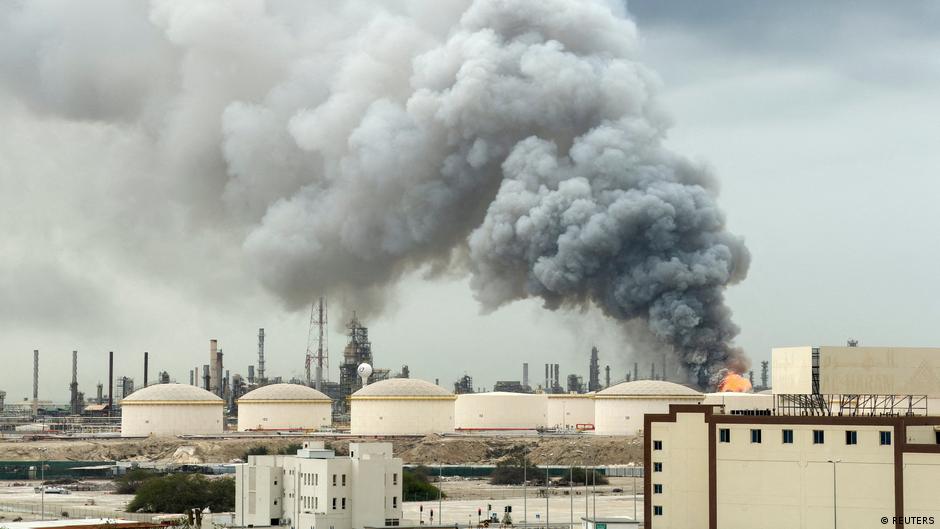
Der Ölpreis stieg kurzzeitig auf fast 120 US-Dollar pro Barrel, nachdem Israel Irans Energieinfrastruktur angegriffen und Teheran Modschtaba Chamenei als neuen Obersten Führer bekannt gegeben hatte. Der Konflikt zwischen Israel/USA und Iran erhöht das Risiko für Energieinfrastrukturen im gesamten Nahen Osten und bedroht die Ölförderung der Golfstaaten. Iran versucht, die Golfstaaten in den Konflikt zu ziehen, indem es Energieanlagen und andere Ziele in der Region angreift. Die faktische Blockade der Straße von Hormus durch den Iran hat den kommerziellen Schiffsverkehr nahezu zum Erliegen gebracht, was ein Worst-Case-Szenario für die globalen Energiemärkte darstellt, da ein Fünftel des weltweiten Ölbedarfs durch diese Wasserstraße transportiert wird. Die Golfstaaten verfügen über begrenzte Lagerkapazitäten, um einen Produktionsstopp hinauszuzögern.
Article Analysis
Key Claims (5)
AI-ExtractedThe Gulf States have a storage capacity of about 343 million barrels of oil.
The price for Brent-Öl reached 119,50 US‑Dollar per Barrel before falling back to around 100 Dollars.
Israel attacked Iran's energy infrastructure, and Iran announced Mojtaba Khamenei as the new Supreme Leader.
Iran's blockade of the Strait of Hormuz has brought almost all commercial shipping to a standstill.
Iran is trying to involve the Gulf states in the conflict by attacking energy facilities, airports, hotels and US military sites.
Key Entities & Roles
Keywords
Sentiment Analysis
Source Transparency
This article was automatically classified using rule-based analysis.
Topic Connections
Explore how the topics in this article connect to other news stories
Find Similar Articles
AI-PoweredDiscover articles with similar content using semantic similarity analysis.