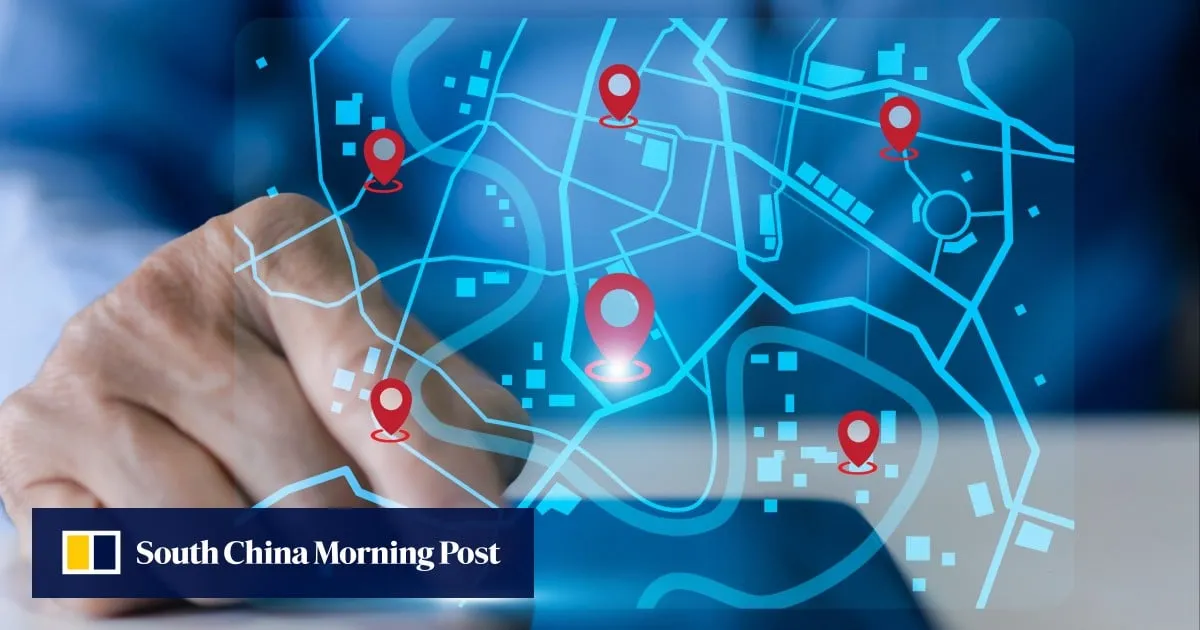
Indonesia and Malaysia have ordered civil servants to work from home to save fuel amid the Iran war but with digital surveillance measures far stricter than those used during the pandemic.Civil servants in Indonesia must activate location tracking and respond to work communications within five minutes. Their Malaysian counterparts must log into a geolocation monitoring system every hour. Those who fail to comply face escalating sanctions.The work-from-home policies, announced within days of each other, are both governments’ response to soaring global oil prices after the conflict disrupted shipping through the Strait of Hormuz, pushing crude above US$100 a barrel. Indonesia and Malaysia both heavily subsidise fuel, putting their national budgets under mounting pressure.Jakarta’s policy, which took effect on Wednesday, allows civil servants to work remotely every Friday – a measure the government estimates could save about 6.2 trillion rupiah (US$365 million) in fuel costs, according to Coordinating Minister for Economic Affairs Airlangga Hartarto.The Manpower Ministry is expected to draft guidelines on how the rule could apply to the private sector too.Civil servants walking to their flats after arriving by shuttle bus in Ibu Kota Nusantara (IKN), the planned new capital of Indonesia in East Kalimantan. Photo: AFP“The WFH rule for private sector employees still takes into account the characteristics and needs of each business,” Airlangga told a press briefing on Tuesday.
SRCSouth China Morning Post
LANGEN
LEANCenter-Right
WORDS221
ENT9
FRI · 2026-04-03 · 08:44 GMTBRIEF NSR-2026-0403-50539
NSR-2026-0403-50539News Report·EN·Economic Impact
Work from home, but we’re watching: Indonesia, Malaysia geo-track remote civil servants
Indonesia and Malaysia have mandated work-from-home policies for civil servants to conserve fuel amid rising global oil prices due to disruptions in the Strait of Hormuz. The policies, implemented recently, include strict digital surveillance measures, such as location tracking and hourly check-ins, with penalties for non-compliance.
SCMP’s Asia deskSouth China Morning PostFiled 2026-04-03 · 08:44 GMTLean · Center-RightRead · 1 min
South China Morning PostFIG 01
Reading time
1min
Word count
221words
Sources cited
1cited
Entities identified
9entities
Quality score
100%
§ 01
Briefing Summary
AI-generatedNEWSAR · AI
Indonesia and Malaysia have mandated work-from-home policies for civil servants to conserve fuel amid rising global oil prices due to disruptions in the Strait of Hormuz. The policies, implemented recently, include strict digital surveillance measures, such as location tracking and hourly check-ins, with penalties for non-compliance. Indonesia's policy, effective every Friday, aims to save an estimated $365 million in fuel costs. The Indonesian Manpower Ministry is considering extending similar guidelines to the private sector, tailored to individual business needs. Both governments heavily subsidize fuel, and the rising oil prices are straining their national budgets.
Confidence 0.90Sources 1Claims 5Entities 9
§ 02
Article analysis
Model · rule-basedFraming
Economic Impact
Technology
Tone
Measured
AI-assessed
CalmNeutralAlarmist
Factuality
0.80 / 1.00
Factual
LowHigh
Sources cited
1
Limited
FewMany
§ 03
Key claims
5 extracted01
The WFH rule for private sector employees still takes into account the characteristics and needs of each business.
quoteAirlangga Hartarto
Confidence
1.00
02
Malaysian civil servants must log into a geolocation monitoring system every hour.
factual
Confidence
1.00
03
Civil servants in Indonesia must activate location tracking and respond to work communications within five minutes.
factual
Confidence
1.00
04
Indonesia and Malaysia have ordered civil servants to work from home to save fuel.
factual
Confidence
1.00
05
Jakarta’s policy could save about 6.2 trillion rupiah (US$365 million) in fuel costs.
statisticCoordinating Minister for Economic Affairs Airlangga Hartarto
Confidence
0.90
§ 04
Full report
1 min read · 221 words§ 05
Entities
9 identifiedKey playerOppositionContextPositiveNeutralNegative
Organizations1
§ 06
Keywords & salience
10 termswork from home
1.00
digital surveillance
0.90
fuel costs
0.80
location tracking
0.70
civil servants
0.70
malaysia
0.60
indonesia
0.60
remote work
0.50
oil prices
0.50
economic policy
0.40
§ 07
Topic connections
Interactive graph Network visualization showing 51 related topics
View Full Graph Person Organization Location Event|Click node to navigate|Edge numbers = shared articles