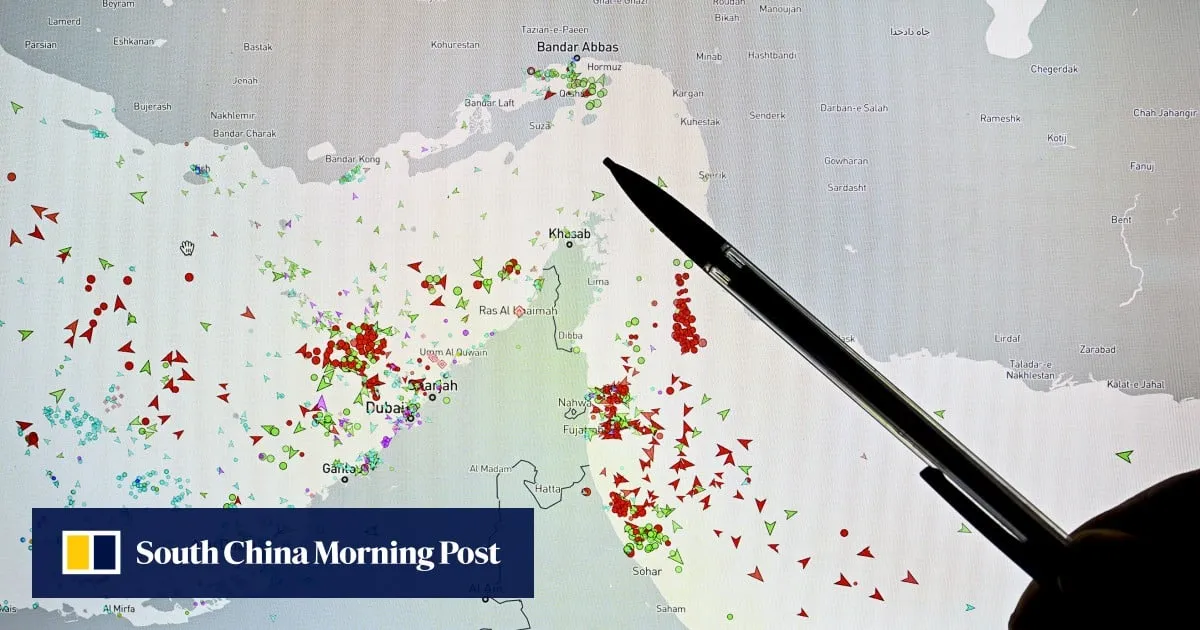
In a rare condemnation of its strategic partner, China has come out in opposition to Iran’s attacks on Gulf nations, calling for a ceasefire and a guarantee of the safety of shipping lanes.Addressing a UN Security Council meeting on Thursday, Fu Cong, China’s permanent representative to the United Nations, said: “China does not support Iran’s attacks on Gulf Cooperation Council nations and condemns all indiscriminate attacks on innocent civilians and non-military targets. The security of shipping lanes must not be disrupted.”However, Fu reserved his harshest comments for the US and Israel, describing their military strikes as “the origin of this war”. The fundamental way to prevent escalation required the US and Israel to halt their military actions, he said.Fu did not specify the shipping lanes he was referring to but the Strait of Hormuz, through which about a fifth of the world’s oil and gas supplies usually passes, remains largely closed to maritime traffic, leaving global markets in turmoil.Tehran has allowed ships from countries such as China and Pakistan to go through the strait, saying it was only closed to “Iran’s enemies”.In recent years, Europe has replaced its dependency on Russian pipeline gas with reliance on global liquefied natural gas, particularly from Qatar, making it more vulnerable to maritime chokepoints such as the Hormuz.
SRCSouth China Morning Post
LANGEN
LEANCenter-Right
WORDS214
ENT11
FRI · 2026-04-03 · 12:00 GMTBRIEF NSR-2026-0403-51062
NSR-2026-0403-51062News Report·EN·Political Strategy
China, Europe and why Beijing took a swing at Iran over the Strait of Hormuz
China has publicly criticized Iran's attacks on Gulf Cooperation Council nations, demanding a ceasefire and protection of shipping lanes, a rare move against its strategic partner. Speaking at a UN Security Council meeting, China's representative condemned indiscriminate attacks on civilians and non-military targets, emphasizing the importance of secure shipping lanes, likely referring to the Strait of Hormuz, a crucial passage for global oil and gas supplies.
Fan ChenSouth China Morning PostFiled 2026-04-03 · 12:00 GMTLean · Center-RightRead · 1 min
South China Morning PostFIG 01
Reading time
1min
Word count
214words
Sources cited
1cited
Entities identified
11entities
Quality score
100%
§ 01
Briefing Summary
AI-generatedNEWSAR · AI
China has publicly criticized Iran's attacks on Gulf Cooperation Council nations, demanding a ceasefire and protection of shipping lanes, a rare move against its strategic partner. Speaking at a UN Security Council meeting, China's representative condemned indiscriminate attacks on civilians and non-military targets, emphasizing the importance of secure shipping lanes, likely referring to the Strait of Hormuz, a crucial passage for global oil and gas supplies. While criticizing Iran, China also blamed the US and Israel's military actions as the root cause of the conflict, urging them to halt their operations. The Strait of Hormuz closure disrupts global markets, particularly impacting Europe, which now relies on liquefied natural gas from Qatar due to reduced Russian pipeline gas dependence.
Confidence 0.90Sources 1Claims 5Entities 11
§ 02
Article analysis
Model · rule-basedFraming
Political Strategy
Economic Impact
Tone
Measured
AI-assessed
CalmNeutralAlarmist
Factuality
0.80 / 1.00
Factual
LowHigh
Sources cited
1
Limited
FewMany
§ 03
Key claims
5 extracted01
Tehran has allowed ships from countries such as China and Pakistan to go through the strait.
factualArticle
Confidence
1.00
02
China does not support Iran’s attacks on Gulf Cooperation Council nations.
quoteFu Cong, China’s permanent representative to the United Nations
Confidence
1.00
03
China has come out in opposition to Iran’s attacks on Gulf nations.
factualArticle
Confidence
1.00
04
Europe has replaced its dependency on Russian pipeline gas with reliance on global liquefied natural gas.
factualArticle
Confidence
0.90
05
The Strait of Hormuz remains largely closed to maritime traffic.
factualArticle
Confidence
0.90
§ 04
Full report
1 min read · 214 words§ 05
Entities
11 identifiedKey playerOppositionContextPositiveNeutralNegative
§ 06
Keywords & salience
10 termsstrait of hormuz
1.00
china
0.90
iran
0.90
shipping lanes
0.80
maritime traffic
0.70
gulf cooperation council
0.60
europe
0.50
oil and gas supplies
0.50
global markets
0.50
military strikes
0.40
§ 07
Topic connections
Interactive graph Network visualization showing 51 related topics
View Full Graph Person Organization Location Event|Click node to navigate|Edge numbers = shared articles