Luxury is back. Following a relatively stagnant 2025, the industry is forecast to accelerate in 2026, with China’s long-awaited recovery emerging as a pivotal factor, even as the war in Iran casts a shadow over global markets, according to analysts.Estimates vary, but HSBC, Deutsche Bank and BNP Paribas all forecast global sales growth ranging from 5.5 to 6 per cent this year.“We believe it is time to look at the sector, as we think the organic sales growth rate should further accelerate in 2026 and return to growth after two years of more muted sales growth rates … mostly driven by the two key drivers of growth: the US and China,” wrote HSBC analysts led by Anne-Laure Bismuth in a March 30 note.Despite the war in Iran and turmoil in global energy markets, HSBC held its forecasts for the two main drivers of luxury growth – mainland China at 8 per cent and the United States at 10 per cent – while cutting its outlook for Europe from 4 to 2.5 per cent and revising the Middle East from 6 per cent growth to a 5 per cent decline.Agreeing that China’s recovery would be a crucial driver for the sector this year, analysts from Deutsche Bank cautioned that the recovery might be “volatile” as the country’s economy still faces many challenges, namely the lingering property crisis.China’s real estate downturn might be showing early signs of stabilisation, according to analysts, but big uncertainties remain. In February, home prices in the four tier-one cities flatlined, month on month, ending nine consecutive months of decline. Year on year, however, the picture remains grimmer: new home prices in those cities fell 2.2 per cent, a 0.1 percentage point steeper drop than the month before, according to the National Bureau of Statistics.
SRCSouth China Morning Post
LANGEN
LEANCenter-Right
WORDS297
ENT10
SUN · 2026-04-05 · 10:00 GMTBRIEF NSR-2026-0405-53346
NSR-2026-0405-53346News Report·EN·Economic Impact
China’s luxury spending seen boosting global sales in 2026 despite headwinds
Global luxury sales are projected to accelerate in 2026 after a slower 2025, driven primarily by a recovery in China. Despite economic headwinds including the war in Iran and a volatile property market, analysts from HSBC, Deutsche Bank, and BNP Paribas forecast global sales growth between 5.5 and 6 percent.
Xiaofei XuSouth China Morning PostFiled 2026-04-05 · 10:00 GMTLean · Center-RightRead · 2 min
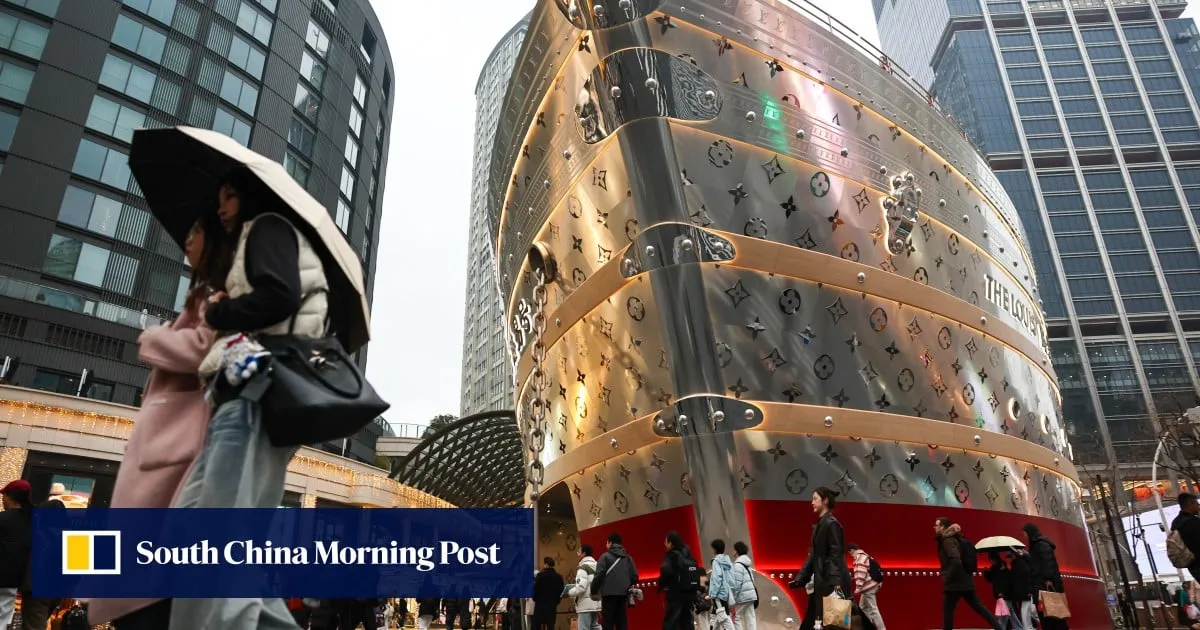
South China Morning PostFIG 01
Reading time
2min
Word count
297words
Sources cited
4cited
Entities identified
10entities
Quality score
75%
§ 01
Briefing Summary
AI-generatedNEWSAR · AI
Global luxury sales are projected to accelerate in 2026 after a slower 2025, driven primarily by a recovery in China. Despite economic headwinds including the war in Iran and a volatile property market, analysts from HSBC, Deutsche Bank, and BNP Paribas forecast global sales growth between 5.5 and 6 percent. HSBC predicts China will grow by 8 percent and the US by 10 percent, while revising down growth estimates for Europe and the Middle East. While China's real estate downturn shows signs of stabilization, uncertainties remain regarding its overall economic recovery and potential impact on luxury spending.
Confidence 0.90Sources 4Claims 5Entities 10
§ 02
Article analysis
Model · rule-basedFraming
Economic Impact
Political Strategy
Tone
Measured
AI-assessed
CalmNeutralAlarmist
Factuality
0.70 / 1.00
Factual
LowHigh
Sources cited
4
Well sourced
FewMany
§ 03
Key claims
5 extracted01
Middle East luxury growth was revised from 6 per cent growth to a 5 per cent decline.
factualHSBC
Confidence
1.00
02
Europe's luxury outlook was cut from 4 to 2.5 per cent growth.
factualHSBC
Confidence
1.00
03
HSBC, Deutsche Bank and BNP Paribas forecast global sales growth ranging from 5.5 to 6 per cent this year.
statisticHSBC, Deutsche Bank and BNP Paribas
Confidence
1.00
04
Mainland China luxury growth is forecast at 8 per cent and the United States at 10 per cent.
predictionHSBC
Confidence
0.90
05
Global luxury sales growth is forecast to accelerate in 2026.
predictionanalysts
Confidence
0.80
§ 04
Full report
2 min read · 297 words§ 05
Entities
10 identifiedKey playerOppositionContextPositiveNeutralNegative
People1
Organizations4