Malaysia is facing renewed pressure to expand the use of palm-based biodiesel as the Iran war drives up fuel costs, but industry and academic observers say high infrastructure costs and slow roll-out make it an unlikely source of quick relief.The Finance Ministry last month said petrol and diesel subsidies could reach 4 billion ringgit (US$903 million) a month with crude oil at about US$100 a barrel. Prime Minister Anwar Ibrahim has noted that nearly half of Malaysia’s oil supply passes through the Strait of Hormuz, which is mostly closed off to maritime traffic due to the Iran war, and that the country imports more oil than it exports.Diesel in Peninsular Malaysia rose to 6.02 ringgit a litre for the week of April 2 to 8, while the monthly subsidised RON95 quota under the BUDI95 scheme was cut from 300 litres to 200 litres.The fuel shock has reopened a long-running debate over whether Malaysia should accelerate its stalled B20 biodiesel programme, a fuel blend consisting of 20 per cent biodiesel and 80 per cent petroleum diesel.Workers transfer harvested palm fruits to a transport truck at a palm plantation in Pekanbaru. Malaysia is projected to produce 20.2 million tonnes of palm oil in the 2025-26 season. Photo: AFPFormer commodities minister Teresa Kok said late last month that palm methyl ester had become cheaper than pure diesel at prevailing prices and urged the government to revive delayed depot upgrades.
SRCSouth China Morning Post
LANGEN
LEANCenter-Right
WORDS236
ENT7
MON · 2026-04-06 · 09:00 GMTBRIEF NSR-2026-0406-54495
NSR-2026-0406-54495News Report·EN·Economic Impact
Can palm biodiesel provide quick relief for Malaysia amid Iran war?
Malaysia is facing pressure to increase its use of palm-based biodiesel due to rising fuel costs stemming from the Iran war and disruptions in oil supply through the Strait of Hormuz. The government is considering accelerating its stalled B20 biodiesel program (20% biodiesel, 80% petroleum diesel) as a potential solution.
Iman Muttaqin YusofSouth China Morning PostFiled 2026-04-06 · 09:00 GMTLean · Center-RightRead · 1 min
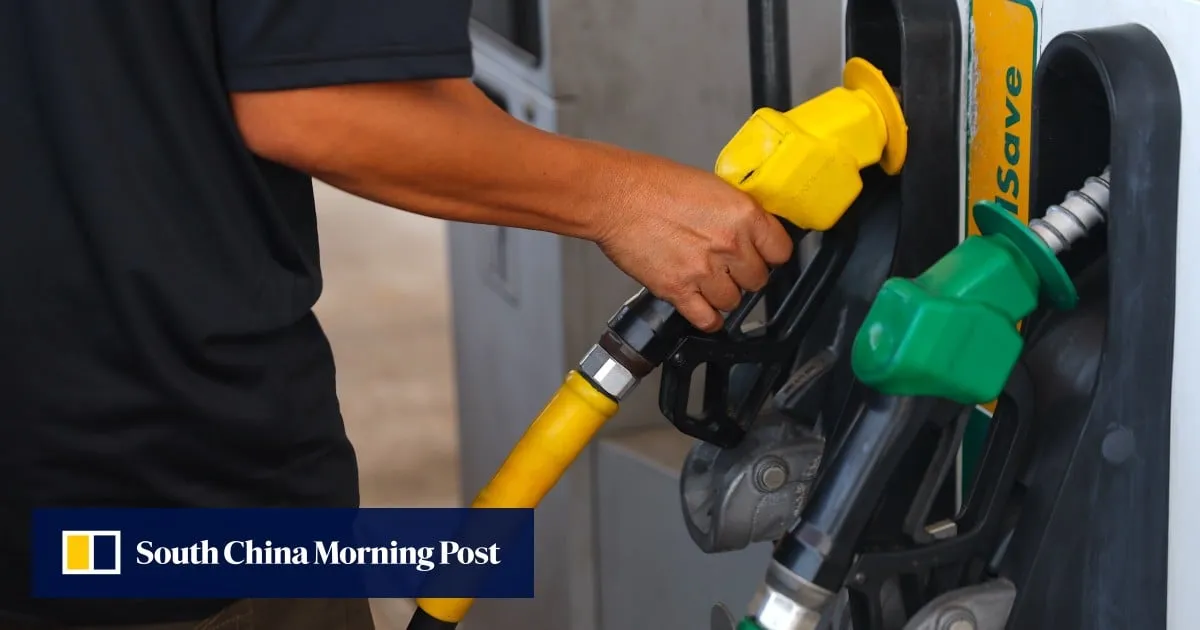
South China Morning PostFIG 01
Reading time
1min
Word count
236words
Sources cited
2cited
Entities identified
7entities
Quality score
100%
§ 01
Briefing Summary
AI-generatedNEWSAR · AI
Malaysia is facing pressure to increase its use of palm-based biodiesel due to rising fuel costs stemming from the Iran war and disruptions in oil supply through the Strait of Hormuz. The government is considering accelerating its stalled B20 biodiesel program (20% biodiesel, 80% petroleum diesel) as a potential solution. However, industry experts believe that high infrastructure costs and slow implementation hinder its ability to provide immediate relief. Rising diesel prices and reduced fuel subsidies are exacerbating the situation, prompting renewed debate on biodiesel adoption. A former commodities minister has advocated for reviving delayed depot upgrades, noting that palm methyl ester is now cheaper than pure diesel.
Confidence 0.90Sources 2Claims 5Entities 7
§ 02
Article analysis
Model · rule-basedFraming
Economic Impact
Political Strategy
Tone
Measured
AI-assessed
CalmNeutralAlarmist
Factuality
0.70 / 1.00
Factual
LowHigh
Sources cited
2
Limited
FewMany
§ 03
Key claims
5 extracted01
Diesel in Peninsular Malaysia rose to 6.02 ringgit a litre for the week of April 2 to 8.
factual
Confidence
1.00
02
Malaysia imports more oil than it exports.
factualPrime Minister Anwar Ibrahim
Confidence
1.00
03
Nearly half of Malaysia’s oil supply passes through the Strait of Hormuz.
factualPrime Minister Anwar Ibrahim
Confidence
1.00
04
Petrol and diesel subsidies could reach 4 billion ringgit (US$903 million) a month with crude oil at about US$100 a barrel.
statisticfinance ministry
Confidence
1.00
05
Palm methyl ester had become cheaper than pure diesel at prevailing prices.
factualFormer commodities minister Teresa Kok
Confidence
0.80
§ 04
Full report
1 min read · 236 words§ 05
Entities
7 identifiedKey playerOppositionContextPositiveNeutralNegative
Organizations1
§ 06
Keywords & salience
9 termspalm biodiesel
0.90
malaysia
0.80
iran war
0.70
fuel costs
0.70
b20 biodiesel programme
0.70
palm oil
0.60
diesel subsidies
0.60
strait of hormuz
0.50
fuel blend
0.40
§ 07
Topic connections
Interactive graph Network visualization showing 51 related topics
View Full Graph Person Organization Location Event|Click node to navigate|Edge numbers = shared articles