Control of the seas has long defined power in the Asia-Pacific. From strategic chokepoints to contested fishing grounds, maritime space has shaped the region’s economic lifelines and geopolitical tensions. But a quieter contest is unfolding – less visible, yet potentially more consequential.It is not a contest over territory but over data. As satellite surveillance, digital tracking and advanced analytics transform how the ocean is monitored, a new question emerges: who controls the information that defines maritime reality?While legal frameworks such as the UN Convention on the Law of the Sea (Unclos) govern maritime zones, they do not address a critical dimension of contemporary power – control over maritime data infrastructure.In practice, this gap is increasingly significant. Across the Asia-Pacific, states are investing in technologies that let them observe maritime activity in near real time. Vessel movements can be tracked, behavioural patterns analysed and anomalies detected long before any patrol vessel is deployed. The ocean is no longer an opaque space; it is an increasingly mapped and monitored domain.Yet this visibility is not evenly distributed. A small number of technologically advanced actors – states and private companies – dominate the infrastructure. Satellite constellations, data platforms and analytical tools are concentrated in the hands of those with the capacity to build and maintain them. For many coastal states, especially in Southeast Asia and the Pacific, access to maritime awareness depends on external systems. This creates a layer of geopolitical dependency.While Unclos grants coastal states sovereign rights over their exclusive economic zones, the ability to exercise those rights is increasingly mediated by access to data. A distinction is emerging between legal sovereignty and informational sovereignty. States may control their waters in law, but not fully control the information that reveals what happens within them.09:23History, money and military: why the South China Sea is so important to BeijingHistory, money and military: why the South China Sea is so important to Beijing
SRCSouth China Morning Post
LANGEN
LEANCenter-Right
WORDS317
ENT6
TUE · 2026-04-07 · 01:30 GMTBRIEF NSR-2026-0407-55348
NSR-2026-0407-55348Analysis·EN·Political Strategy
In Asia-Pacific, the real maritime contest is over satellite surveillance
In the Asia-Pacific, a new maritime contest is emerging centered on control of maritime data, specifically satellite surveillance. While the UNCLOS governs maritime zones, it doesn't address control over maritime data infrastructure.
Yogi PutrantoSouth China Morning PostFiled 2026-04-07 · 01:30 GMTLean · Center-RightRead · 2 min
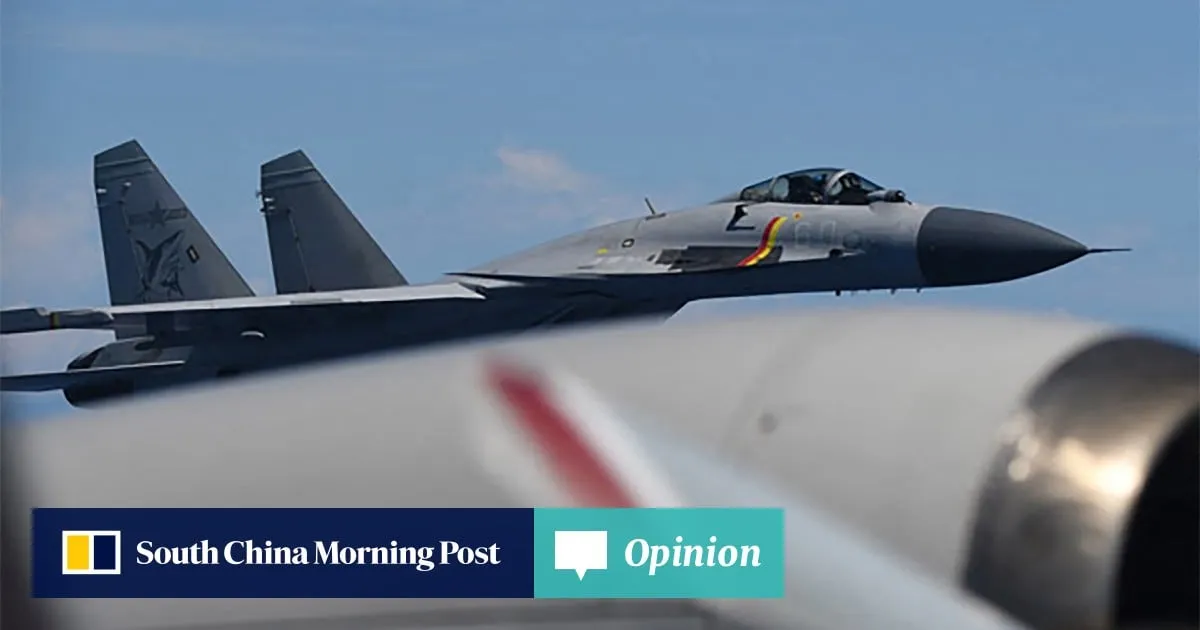
South China Morning PostFIG 01
Reading time
2min
Word count
317words
Sources cited
0cited
Entities identified
6entities
Quality score
100%
§ 01
Briefing Summary
AI-generatedNEWSAR · AI
In the Asia-Pacific, a new maritime contest is emerging centered on control of maritime data, specifically satellite surveillance. While the UNCLOS governs maritime zones, it doesn't address control over maritime data infrastructure. States are investing in technologies to monitor maritime activity in near real-time, creating a mapped and monitored ocean. However, access to this data is unevenly distributed, with technologically advanced states and private companies dominating the infrastructure. This creates a geopolitical dependency for many coastal states in Southeast Asia and the Pacific, as their maritime awareness relies on external systems. A gap is emerging between legal sovereignty over waters and informational sovereignty, where control of data revealing activities within those waters is limited.
Confidence 0.90Claims 5Entities 6
§ 02
Article analysis
Model · rule-basedFraming
Political Strategy
National Security
Tone
Measured
AI-assessed
CalmNeutralAlarmist
Factuality
0.70 / 1.00
Factual
LowHigh
Sources cited
0
No named sources
FewMany
§ 03
Key claims
5 extracted01
States may control their waters in law, but not fully control the information that reveals what happens within them.
factual
Confidence
0.90
02
A small number of technologically advanced actors dominate the maritime data infrastructure.
factual
Confidence
0.90
03
For many coastal states, access to maritime awareness depends on external systems.
factual
Confidence
0.80
04
Control of the seas has long defined power in the Asia-Pacific.
factual
Confidence
0.80
05
A distinction is emerging between legal sovereignty and informational sovereignty.
prediction
Confidence
0.70
§ 04
Full report
2 min read · 317 words§ 05
Entities
6 identifiedKey playerOppositionContextPositiveNeutralNegative
§ 06
Keywords & salience
10 termsmaritime surveillance
1.00
maritime data
0.90
asia-pacific
0.80
informational sovereignty
0.70
satellite surveillance
0.70
maritime activity
0.60
unclos
0.50
geopolitical dependency
0.50
maritime zones
0.40
coastal states
0.40
§ 07
Topic connections
Interactive graph Network visualization showing 14 related topics
View Full Graph Person Organization Location Event|Click node to navigate|Edge numbers = shared articles