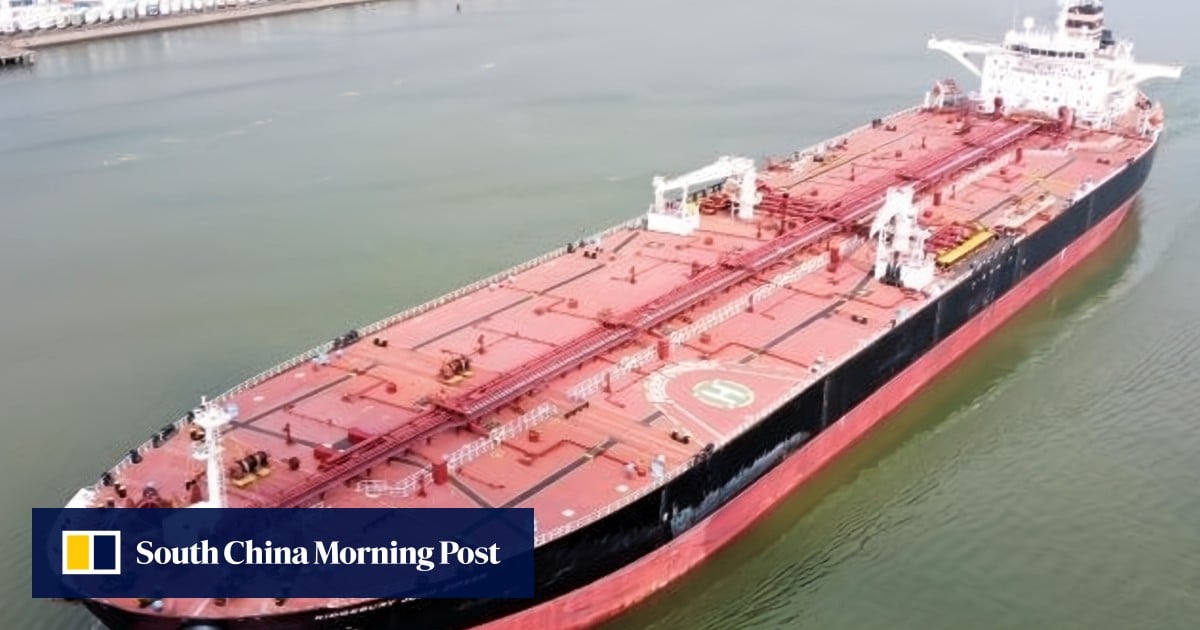
Tehran’s decision to let Malaysia-linked vessels through the Strait of Hormuz highlighted Iran’s growing use of access to the strategic waterway as leverage, analysts said, with only a limited number of ships now able to pass and access increasingly determined by political ties rather than treated as a neutral commercial right.For Malaysia, the move drew attention not only to Tehran’s close ties with Putrajaya but also to scrutiny surrounding sanction-sensitive oil trade and ship-to-ship transfers in its waters.At least one Malaysia-linked tanker bound for Johor resumed its journey on Sunday after Prime Minister Anwar Ibrahim raised the issue directly with Iranian President Masoud Pezeshkian, helping secure clearance for seven vessels stranded in or near the strait.Iran’s embassy in Kuala Lumpur made the political messaging explicit, saying in a social media post that the Islamic Republic “does not forget its friends” after the first Malaysian-bound vessel passed through the strait, a conduit for about 20 per cent of the world’s oil, where traffic has been severely restricted since the outbreak of the US-Israel war on Iran.Analysts said Iran appeared to be moving towards a more selective access model in the strait, using passage as a form of leverage.
SRCSouth China Morning Post
LANGEN
LEANCenter-Right
WORDS197
ENT11
TUE · 2026-04-07 · 11:52 GMTBRIEF NSR-2026-0407-56158
NSR-2026-0407-56158News Report·EN·Political Strategy
Iran ‘does not forget its friends’ as Malaysia ships pass Hormuz amid selective access
Iran is reportedly using access to the Strait of Hormuz as political leverage, granting passage to vessels based on political ties rather than treating it as a neutral commercial right. Recently, Malaysia-linked ships were allowed to pass through the Strait after Prime Minister Anwar Ibrahim intervened with Iranian President Masoud Pezeshkian.
Ushar DanieleSouth China Morning PostFiled 2026-04-07 · 11:52 GMTLean · Center-RightRead · 1 min
South China Morning PostFIG 01
Reading time
1min
Word count
197words
Sources cited
1cited
Entities identified
11entities
Quality score
100%
§ 01
Briefing Summary
AI-generatedNEWSAR · AI
Iran is reportedly using access to the Strait of Hormuz as political leverage, granting passage to vessels based on political ties rather than treating it as a neutral commercial right. Recently, Malaysia-linked ships were allowed to pass through the Strait after Prime Minister Anwar Ibrahim intervened with Iranian President Masoud Pezeshkian. The Iranian embassy in Kuala Lumpur emphasized the importance of friendship in securing passage. This preferential treatment highlights Iran's close relationship with Malaysia and raises concerns about sanction-sensitive oil trade occurring in Malaysian waters. Analysts suggest Iran is moving towards a selective access model in the Strait of Hormuz, a vital waterway for global oil transport, restricting passage for some while favoring its allies.
Confidence 0.90Sources 1Claims 5Entities 11
§ 02
Article analysis
Model · rule-basedFraming
Political Strategy
Diplomatic
Tone
Measured
AI-assessed
CalmNeutralAlarmist
Factuality
0.70 / 1.00
Factual
LowHigh
Sources cited
1
Limited
FewMany
§ 03
Key claims
5 extracted01
About 20 per cent of the world’s oil passes through the Strait of Hormuz.
statistic
Confidence
1.00
02
The Islamic Republic “does not forget its friends”.
quoteIran’s embassy in Kuala Lumpur
Confidence
1.00
03
Malaysia-linked vessels were allowed through the Strait of Hormuz.
factual
Confidence
1.00
04
Traffic in the Strait of Hormuz has been severely restricted since the US-Israel war on Iran.
factual
Confidence
0.90
05
Iran is using access to the Strait of Hormuz as leverage.
factualanalysts
Confidence
0.80
§ 04
Full report
1 min read · 197 words§ 05
Entities
11 identifiedKey playerOppositionContextPositiveNeutralNegative
Organizations1
§ 06
Keywords & salience
9 termsstrait of hormuz
1.00
iran
0.90
malaysia
0.80
selective access
0.70
political leverage
0.70
oil trade
0.60
ship-to-ship transfers
0.50
sanctions
0.50
us-israel war
0.40
§ 07
Topic connections
Interactive graph Network visualization showing 50 related topics
View Full Graph Person Organization Location Event|Click node to navigate|Edge numbers = shared articles