How Pakistan managed to get the US and Iran to a ceasefire
AI Summary
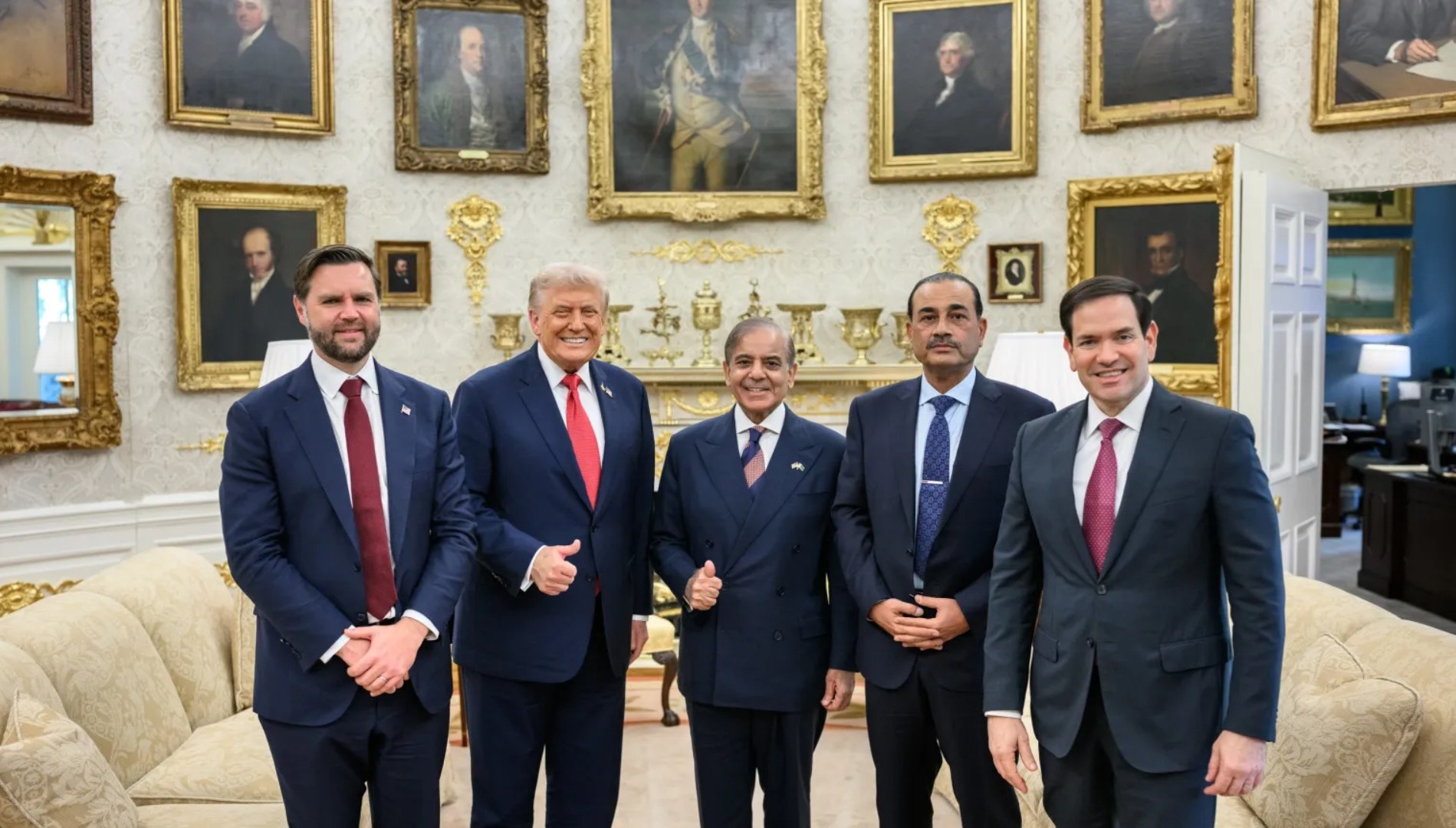
In April 2026, the US and Iran agreed to a two-week ceasefire after nearly six weeks of conflict, narrowly averting a threatened US attack. Pakistan, led by Prime Minister Shehbaz Sharif and Field Marshal Asim Munir, played a crucial role in mediating the agreement through backchannel talks. Both US President Donald Trump and Iranian Foreign Minister Abbas Araghchi acknowledged Pakistan's central role in bringing the two nations to the negotiating table. While the ceasefire provided immediate relief, key details regarding its scope and specific terms, such as transit through the Strait of Hormuz and uranium enrichment, remained unclear. The agreement followed a September 2025 visit by Pakistani leaders to the White House.
Article Analysis
Key Claims (5)
AI-ExtractedIran accepted the ceasefire in response to the brotherly request of PM Sharif.
Trump said he agreed to the ceasefire based on conversations with Prime Minister Shehbaz Sharif and Field Marshal Asim Munir, of Pakistan.
Iran confirmed the ceasefire on X.
Trump agreed to a two-week ceasefire with Iran after almost six weeks of bombing.
Pakistan led backchannel talks resulting in a temporary ceasefire between the US and Iran.
Key Entities & Roles
Keywords
Sentiment Analysis
Source Transparency
This article was automatically classified using rule-based analysis.
Topic Connections
Explore how the topics in this article connect to other news stories
Find Similar Articles
AI-PoweredDiscover articles with similar content using semantic similarity analysis.