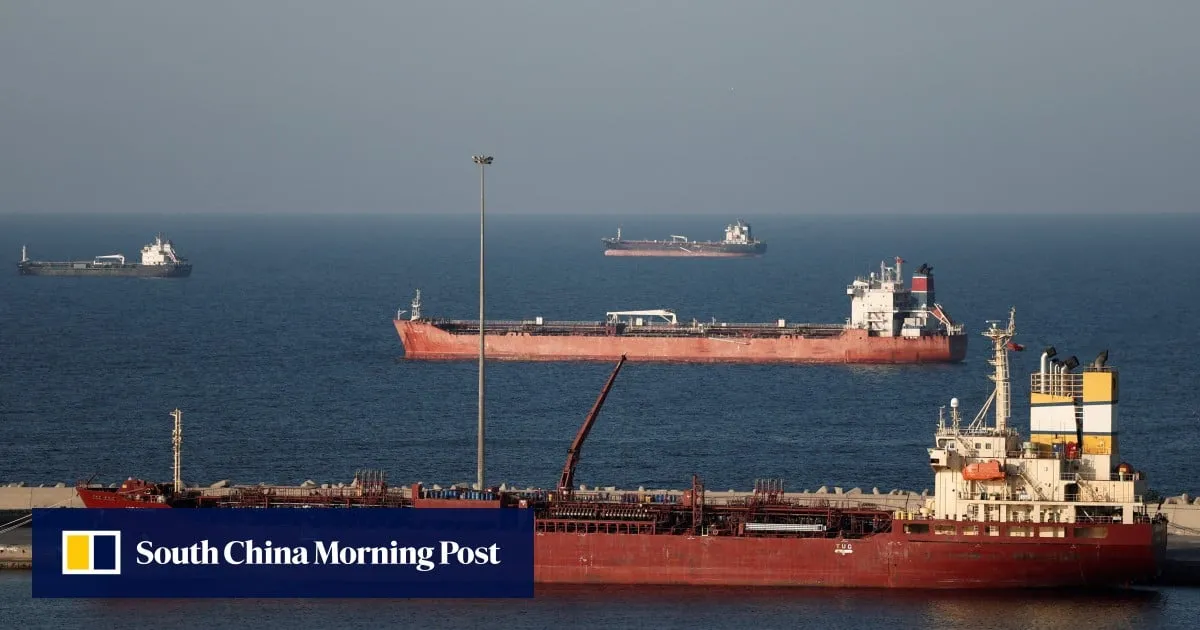
Singapore’s pushback against negotiating with Iran over access to the Strait of Hormuz has triggered a backlash from Malaysian politicians, who saw its statements as “lecturing” them on how best to secure safe passage through the vital waterway.For the past month, Tehran had all but shut access to the strait – which handles about a fifth of global oil and gas shipments, bound mostly for Asia – in retaliation for deadly strikes by the US and Israel since they launched a war on Iran on February 28.Malaysia was among a handful of “friendly” nations granted toll-free passage by Iran last week, a decision Prime Minister Anwar Ibrahim credited to active diplomacy and close ties with the Islamic Republic.Leaders in Anwar’s ruling coalition, however, took exception to Singapore’s reasoning behind its refusal to negotiate with Tehran, saying it risked eroding the commitment to “independent, balanced diplomacy” that has long been an Asean cornerstone.An oil tanker that Iran’s embassy in Kuala Lumpur says is the first Malaysian-linked vessel to pass through the Strait of Hormuz. Photo: X/iraninmalaysia“Malaysia will not be lectured on the merits of engagement,” Nurul Izzah Anwar, the prime minister’s daughter and deputy president of his People’s Justice Party, said in a statement late on Wednesday.
SRCSouth China Morning Post
LANGEN
LEANCenter-Right
WORDS206
ENT10
THU · 2026-04-09 · 04:23 GMTBRIEF NSR-2026-0409-59665
NSR-2026-0409-59665News Report·EN·Diplomatic
‘Malaysia won’t be lectured’: Singapore’s refusal to negotiate over Hormuz creates waves
Singapore's refusal to negotiate with Iran over access to the Strait of Hormuz has drawn criticism from Malaysian politicians. Iran had restricted access to the strait, a crucial route for global oil and gas shipments, in response to US and Israeli actions.
Joseph SipalanSouth China Morning PostFiled 2026-04-09 · 04:23 GMTLean · Center-RightRead · 1 min
South China Morning PostFIG 01
Reading time
1min
Word count
206words
Sources cited
2cited
Entities identified
10entities
Quality score
100%
§ 01
Briefing Summary
AI-generatedNEWSAR · AI
Singapore's refusal to negotiate with Iran over access to the Strait of Hormuz has drawn criticism from Malaysian politicians. Iran had restricted access to the strait, a crucial route for global oil and gas shipments, in response to US and Israeli actions. Malaysia, due to its close ties with Iran, secured toll-free passage through diplomacy. However, Singapore's stance against negotiation was perceived by some Malaysian leaders as undermining ASEAN's commitment to independent diplomacy. Nurul Izzah Anwar, a prominent Malaysian politician, asserted that Malaysia would not be dictated to regarding engagement strategies. The disagreement highlights differing approaches to navigating geopolitical tensions in the region.
Confidence 0.90Sources 2Claims 5Entities 10
§ 02
Article analysis
Model · rule-basedFraming
Diplomatic
Political Strategy
Tone
Measured
AI-assessed
CalmNeutralAlarmist
Factuality
0.70 / 1.00
Factual
LowHigh
Sources cited
2
Limited
FewMany
§ 03
Key claims
5 extracted01
Malaysia will not be lectured on the merits of engagement.
quoteNurul Izzah Anwar
Confidence
1.00
02
Malaysia was among a handful of “friendly” nations granted toll-free passage by Iran last week.
factualArticle
Confidence
1.00
03
Singapore refused to negotiate with Iran over access to the Strait of Hormuz.
factualArticle
Confidence
1.00
04
The Strait of Hormuz handles about a fifth of global oil and gas shipments.
statisticArticle
Confidence
0.90
05
Tehran had all but shut access to the Strait of Hormuz for a month.
factualArticle
Confidence
0.90
§ 04
Full report
1 min read · 206 words§ 05
Entities
10 identifiedKey playerOppositionContextPositiveNeutralNegative
Organizations2
§ 06
Keywords & salience
8 termsstrait of hormuz
1.00
malaysia
0.90
singapore
0.80
iran
0.70
negotiation
0.60
diplomacy
0.60
oil and gas shipments
0.50
asean
0.40
§ 07
Topic connections
Interactive graph Network visualization showing 51 related topics
View Full Graph Person Organization Location Event|Click node to navigate|Edge numbers = shared articles