9. April 2026Im vergangenen Jahr feierten die großen christlichen Kirchen gemeinsam Ostern, 2026 fällt das Fest in Ost und West wieder auf verschiedene Daten. Warum ist das so - und könnte sich etwas daran ändern?https://p.dw.com/p/5BvFGDiese Kinder zünden beim orthodoxen Osterfest 2025 in einer Kirche in Charkiw in der Ukraine Kerzen anBild: Marko Djurica/REUTERS Während die katholische und evangelische Kirche in Deutschland weiterhin hohe Austrittszahlen verzeichnen, wächst eine andere christliche Konfession im Land: die orthodoxe Kirche. Aktuelle Schätzungen gehen inzwischen von über vier Millionen orthodoxen Gläubigen in Deutschland aus. Die größte Gemeinschaft ist die rumänisch-orthodoxe Kirche, gefolgt von der griechischen, serbischen und russischen. Exakte Zahlen sind jedoch schwer zu ermitteln, da viele Gemeinden nicht in staatlichen Statistiken erfasst werden. Das Wachstum der orthodoxen Kirche ist eng mit der Migration aus Osteuropa, Südosteuropa und dem Nahen Osten verbunden. Dazu zählen sowohl die Arbeitsmigration seit den 1960er Jahren aus Ländern wie dem damaligen Jugoslawien als auch neuere Zuwanderungsbewegungen, etwa durch Geflüchtete aus der Ukraine oder Syrien. Für viele Zugewanderte sind die Gemeinden dabei weit mehr als religiöse Orte: Sie fungieren auch als soziale und kulturelle Treffpunkte. Während es einige grundsätzliche Gemeinsamkeiten zwischen den westlichen und den orthodoxen Kirchen gibt, gibt es auch große Unterschiede in der Liturgie, der theologischen Herangehensweise und der Kirchenorganisation. Und selbst die Feiertage fallen etwas anders. Nachdem 2025 ein gemeinsames Osterfest aller großen christlichen Kirchen gefeiert wurde, begehen katholische, evangelische und orthodoxe Gemeinden Ostern 2026 wieder getrennt. Die westlichen Kirchen feierten bereits am 5. April, die orthodoxen begehen das Fest, von wenigen Ausnahmen abgesehen, erst eine Woche später, am 12. April. Die unterschiedlichen Termine ergeben sich aus verschiedenen Kalendertraditionen und Regeln zur Berechnung des Osterfestes.Palmsonntag-Prozession der antiochenisch-orthodoxen Gemeinde in Berlin am Sonntag vor Ostern 2025Bild: Christoph Strack/DW Die Frage nach dem richtigen Zeitpunkt des Osterfestes beschäftige die Kirche seit fast 2000 Jahren, berichtet der griechisch-orthodoxe Erzpriester Radu Constantin Miron aus Bonn. "Im 4. Jahrhundert fand ein großes ökumenisches Konzil in Nicäa [dem heutigen türkischen Iznik] statt, dessen 1700. Jahrestag wir im vergangenen Jahr begangen haben. Dieses Konzil von 325 nach Christus legte fest, wann Ostern gefeiert werden soll: am ersten Sonntag nach der Frühlings-Tagundnachtgleiche, mit der zusätzlichen Bedingung, dass das jüdische Pessachfest vorausgeht." Das 1700-jährige Jubiläum des Konzils von Nicäa 2025 hat die Diskussion über ein gemeinsames Osterdatum in Ost und West neu belebt. Papst Leo XIV. besuchte im vergangenen November den historischen Ort in der heutigen Türkei, forderte die Einheit der christlichen Kirchen und feierte gemeinsam mit dem Ökumenischen Patriarchen Bartholomäus I. ein ökumenisches Gebet. Beide Kirchenoberhäupter unterstützen grundsätzlich ein gemeinsames Osterdatum und betonen, dass ein einheitlicher Termin ein sichtbares Zeichen christlicher Einheit wäre. Zwar blieb ein Durchbruch bislang aus, doch der Wille zur Annäherung wurde deutlicher formuliert als zuvor.Papst Leo XIV. und Patriarch Bartholomäus I. beim ökumenischen Gottesdienst im November 2025Bild: Vatican Media/ABACA/picture alliance Laut Radu Constantin Miron habe der Jahrestag des Konzils von Nicäa viele daran erinnert, wie das Osterdatum ursprünglich festgelegt wurde und dass Katholiken wie Orthodoxe zur gemeinsamen Feier zurückkehren sollten. Zugleich räumt der griechisch-orthodoxe Priester selbstkritisch ein: "Wir Orthodoxen sind manchmal etwas langsam - und, ich gebe es zu, auch ein wenig formalistisch. Natürlich ist der Zeitpunkt des Osterfestes nicht das Allerwichtigste. Entscheidend ist, dass wir die Auferstehung Christi feiern. Und wenn wir dies gemeinsam tun, ist es natürlich besser - so sollte es auch sein." Auch wenn der Weg zu einer Einigung noch lang erscheint, gibt es inzwischen berechtigte Hoffnung auf ein gemeinsames Osterdatum. Das Jubiläum von Nicäa hat gezeigt, dass historische Entscheidungen neu gelesen und gemeinsam weitergedacht werden können. Orthodoxe und katholische Christen verbindet heute deutlich mehr, als sie noch vor einigen Jahren zu trennen schien. Immer mehr Geistliche scheinen die Ansicht zu teilen, dass ein gemeinsames Osterfest kein Gesichtsverlust für eine der Kirchen wäre, sondern ein Gewinn an gemeinsamer Glaubenspraxis. Und ein sichtbares Zeichen von Einheit in einer Zeit, in der sich immer mehr Menschen in Europa von den Kirchen abwenden.
SRCDeutsche Welle (DE)
LANGDE
LEANCenter
WORDS651
ENT12
THU · 2026-04-09 · 16:00 GMTBRIEF NSR-2026-0409-60470
NSR-2026-0409-60470News Report·DE·Human Interest
Warum feiern orthodoxe Christen meist später Ostern?
Der Artikel der Deutschen Welle erklärt, warum orthodoxe Christen Ostern oft später feiern als Katholiken und Protestanten. Während 2025 ein gemeinsames Osterfest stattfand, fallen die Termine 2026 wieder auseinander: Westliche Kirchen feierten am 5.
Stephanos GeorgakopoulosDeutsche Welle (DE)Filed 2026-04-09 · 16:00 GMTLean · CenterRead · 3 min
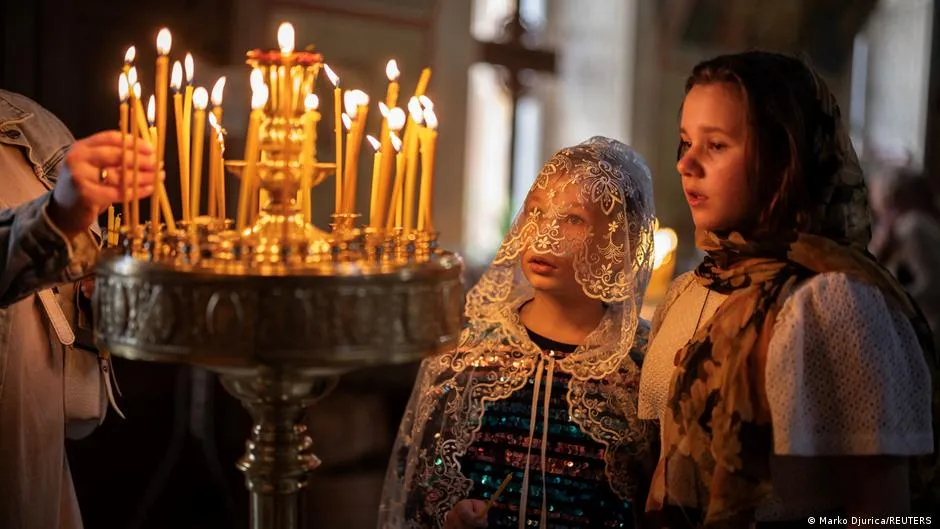
Deutsche Welle (DE)FIG 01
Reading time
3min
Word count
651words
Sources cited
1cited
Entities identified
12entities
Quality score
100%
§ 01
Briefing Summary
AI-generatedNEWSAR · AI
Der Artikel der Deutschen Welle erklärt, warum orthodoxe Christen Ostern oft später feiern als Katholiken und Protestanten. Während 2025 ein gemeinsames Osterfest stattfand, fallen die Termine 2026 wieder auseinander: Westliche Kirchen feierten am 5. April, orthodoxe Kirchen am 12. April. Der Unterschied resultiert aus unterschiedlichen Kalendertraditionen und Regeln zur Berechnung des Osterdatums, die auf das Konzil von Nicäa im 4. Jahrhundert zurückgehen. Der Artikel beleuchtet auch das Wachstum der orthodoxen Kirche in Deutschland, das eng mit der Migration aus Osteuropa, Südosteuropa und dem Nahen Osten verbunden ist. Für viele Zugewanderte dienen die Gemeinden als religiöse, soziale und kulturelle Treffpunkte.
Confidence 0.90Sources 1Claims 5Entities 12
§ 02
Article analysis
Model · rule-basedFraming
Human Interest
Tone
Measured
AI-assessed
CalmNeutralAlarmist
Factuality
0.80 / 1.00
Factual
LowHigh
Sources cited
1
Limited
FewMany
§ 03
Key claims
5 extracted01
The Council of Nicaea in 325 AD established the rules for calculating the date of Easter.
factualRadu Constantin Miron, Greek Orthodox Archpriest
Confidence
1.00
02
The largest Orthodox community in Germany is the Romanian Orthodox Church.
factual
Confidence
1.00
03
The western churches celebrated Easter on April 5th, while the Orthodox celebrate on April 12th.
factual
Confidence
1.00
04
In 2026, Catholic, Protestant, and Orthodox communities will celebrate Easter separately.
factual
Confidence
1.00
05
Current estimates suggest there are over four million Orthodox believers in Germany.
statistic
Confidence
0.90
§ 04
Full report
3 min read · 651 words§ 05
Entities
12 identifiedKey playerOppositionContextPositiveNeutralNegative
Organizations3
§ 06
Keywords & salience
8 termsostern
1.00
orthodoxe christen
0.90
christliche kirchen
0.80
kalendertraditionen
0.70
ökumenisches konzil
0.60
migration
0.50
liturgie
0.40
kirchenorganisation
0.40
§ 07
Topic connections
Interactive graph No topic relationship data available yet. This graph will appear once topic relationships have been computed.