Irán intensifica el bloqueo de Ormuz tras el alto el fuego
Israel convoca a la responsable de la embajada por la quema de un muñeco de Netanyahu
AI Summary
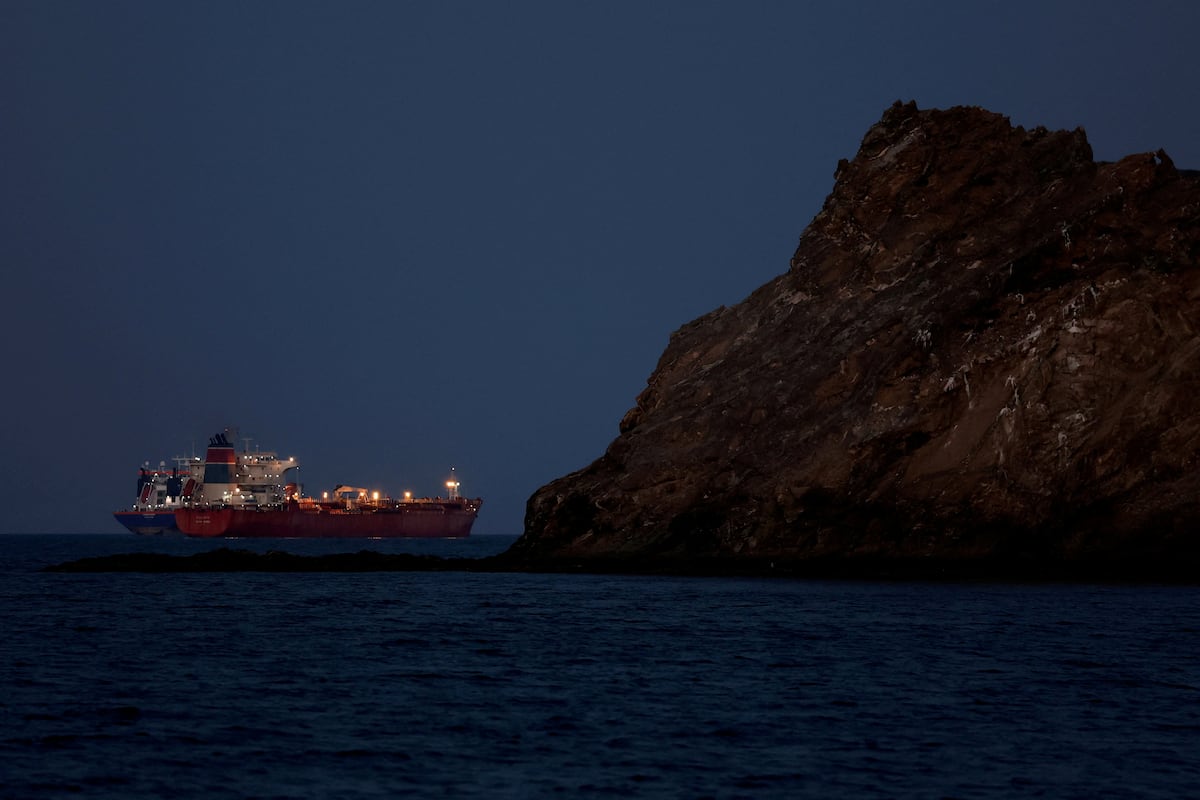
Tras un alto el fuego condicionado por EE.UU. a la reapertura del estrecho de Ormuz, Irán ha intensificado el bloqueo de este paso marítimo clave. El tráfico de buques se ha reducido drásticamente, con solo unos pocos cruces diarios, afectando el suministro de petróleo y gas. La agencia iraní ISNA reveló un mapa con rutas alternativas y una "zona peligrosa" en el estrecho. Una fuente oficial iraní comunicó a la agencia TASS que limitarán los cruces a un máximo de 15 por día durante las dos semanas del alto el fuego. Esta situación genera incertidumbre sobre el suministro energético en Asia y Europa.
Article Analysis
Key Claims (5)
AI-ExtractedTrump demanded the "COMPLETE, INMEDIATE y SEGURA" reopening of Ormuz as a minimum condition for a ceasefire with Iran.
ISNA revealed a map showing alternative routes established by the Revolutionary Guard, with a "hazardous zone" of 920 sq km.
Only five ships crossed the Strait of Hormuz on Wednesday, none of them oil or gas tankers.
An Iranian official confirmed to TASS that crossings will be limited to a maximum of 15 per day during the ceasefire.
Neil Crosby believes the only way for oil to flow again is for the US to reopen the passage by force.
Key Entities & Roles
Keywords
Sentiment Analysis
Source Transparency
This article was automatically classified using rule-based analysis.
Topic Connections
Explore how the topics in this article connect to other news stories
Related Coverage (5)
Find Similar Articles
AI-PoweredDiscover articles with similar content using semantic similarity analysis.