China’s green energy transition is expanding from a domestic security priority into a potent geopolitical asset at a time of heightened global uncertainty, according to the latest official reading of the country’s 15th five-year plan.That shift has been tested in recent weeks by the US-Israeli war in Iran and Tehran’s effective closure of the Strait of Hormuz – a chokepoint for 20 per cent of global oil and gas supplies. While Tehran signalled it would reopen the strait on Tuesday under a fragile two-week ceasefire agreement with the United States, shipping activity remains far below normal levels.Amid the disruption, some governments worldwide have scrambled to roll out emergency measures to conserve energy. China’s long-standing strategy of diversification and self-reliance, meanwhile, has emerged as a structural buffer against such shocks.The country’s energy self-sufficiency rate has held steady at above 80 per cent, according to a recent book published by the National Development and Reform Commission (NDRC) on the 15th five-year plan, Beijing’s top socio-economic blueprint released last month.The publication said building a “new-type energy system” was essential to transforming China into an “energy powerhouse” and was a “fundamental necessity for seizing the strategic initiative in global competition”.It cautioned that escalating geopolitical conflicts were reshaping the global energy landscape and trade order – as seen in the Russia-Ukraine war, conflict in the Middle East and Washington’s recent military intervention in Venezuela.“Competition over control of resources, transit corridors and market access is intensifying”, the publication warned, adding that “increased uncertainty” facing China’s energy imports called for stricter risk prevention and control measures.
SRCSouth China Morning Post
LANGEN
LEANCenter-Right
WORDS259
ENT9
FRI · 2026-04-10 · 12:00 GMTBRIEF NSR-2026-0410-61939
NSR-2026-0410-61939News Report·EN·Political Strategy
Why China’s green energy strategy may shield it from the Iran war oil shock
China's focus on green energy, outlined in its 15th five-year plan, is evolving into a strategic geopolitical advantage amid global instability. Recent disruptions, such as the conflict involving Iran and closure of the Strait of Hormuz, have tested global energy markets.
Carol YangSouth China Morning PostFiled 2026-04-10 · 12:00 GMTLean · Center-RightRead · 2 min
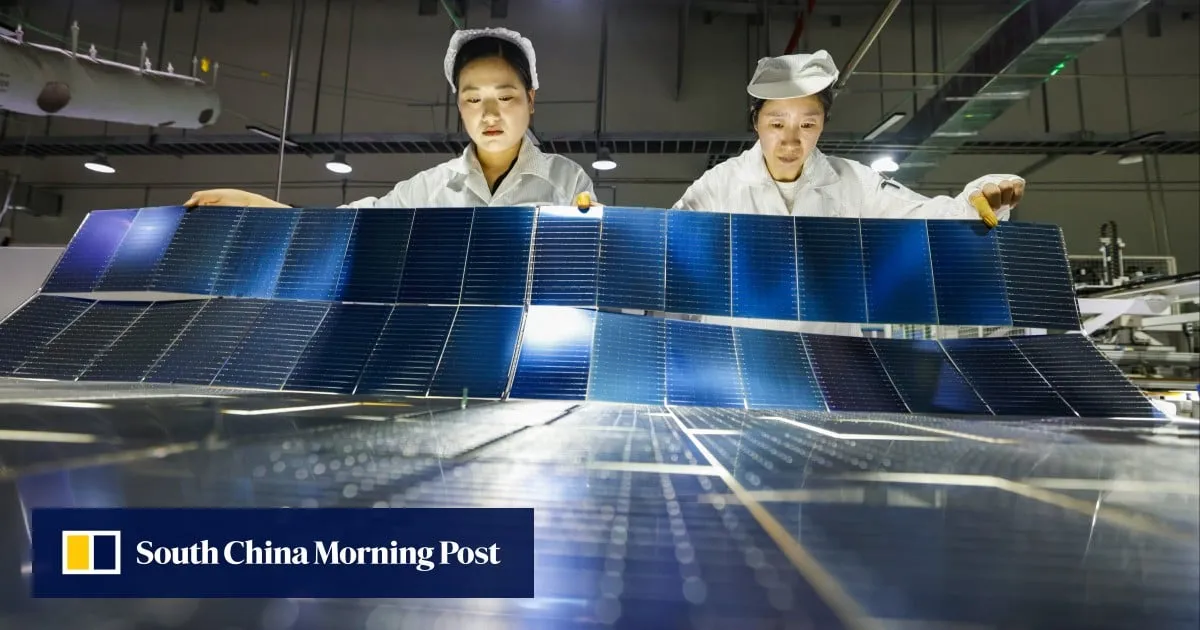
South China Morning PostFIG 01
Reading time
2min
Word count
259words
Sources cited
1cited
Entities identified
9entities
Quality score
100%
§ 01
Briefing Summary
AI-generatedNEWSAR · AI
China's focus on green energy, outlined in its 15th five-year plan, is evolving into a strategic geopolitical advantage amid global instability. Recent disruptions, such as the conflict involving Iran and closure of the Strait of Hormuz, have tested global energy markets. China's energy self-sufficiency rate, maintained above 80%, provides a buffer against these shocks. The National Development and Reform Commission emphasizes building a "new-type energy system" to transform China into an "energy powerhouse" and secure a strategic advantage. Escalating geopolitical conflicts, including those in Ukraine and the Middle East, highlight the need for stricter risk prevention regarding China's energy imports due to increasing competition over resources and trade routes.
Confidence 0.90Sources 1Claims 5Entities 9
§ 02
Article analysis
Model · rule-basedFraming
Political Strategy
National Security
Tone
Measured
AI-assessed
CalmNeutralAlarmist
Factuality
0.70 / 1.00
Factual
LowHigh
Sources cited
1
Limited
FewMany
§ 03
Key claims
5 extracted01
Building a “new-type energy system” was essential to transforming China into an “energy powerhouse”.
quoteNational Development and Reform Commission (NDRC)
Confidence
1.00
02
China’s energy self-sufficiency rate has held steady at above 80 per cent.
statisticNational Development and Reform Commission (NDRC)
Confidence
0.90
03
Tehran effectively closed the Strait of Hormuz, a chokepoint for 20% of global oil and gas supplies.
factualarticle
Confidence
0.90
04
Competition over control of resources, transit corridors and market access is intensifying.
quoteNational Development and Reform Commission (NDRC)
Confidence
0.80
05
China’s green energy transition is expanding into a potent geopolitical asset.
factualarticle
Confidence
0.80
§ 04
Full report
2 min read · 259 words§ 05
Entities
9 identifiedKey playerOppositionContextPositiveNeutralNegative
§ 06
Keywords & salience
9 termsgreen energy
0.90
energy security
0.80
geopolitics
0.70
energy transition
0.70
energy self-sufficiency
0.60
oil shock
0.60
strait of hormuz
0.50
risk prevention
0.40
global competition
0.40
§ 07
Topic connections
Interactive graph Network visualization showing 51 related topics
View Full Graph Person Organization Location Event|Click node to navigate|Edge numbers = shared articles