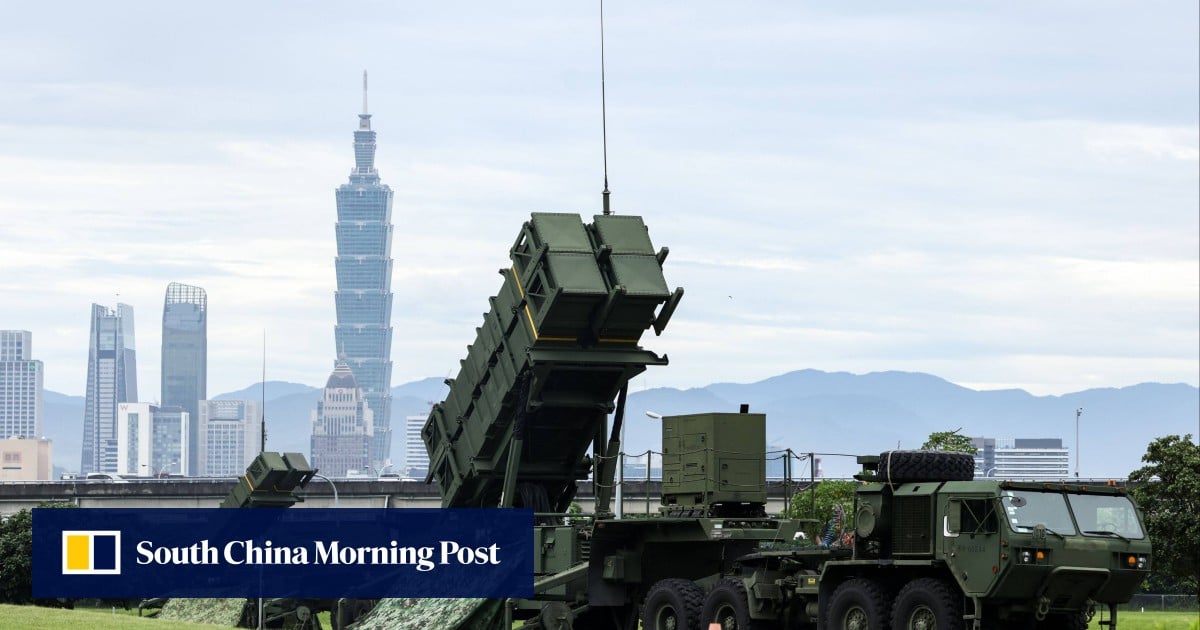
Iran’s ability to sustain missile and drone strikes despite heavy US-Israeli attacks has sharpened a debate in Taiwan: if the island’s air defences were degraded in the early stages of a conflict with mainland China, could it still keep fighting?The answer from officials, lawmakers and analysts was cautious but clear.They said the island could be resilient – but only if it shifted away from a missile-heavy defensive mindset towards a more integrated, cost-effective and survivable system.Even after suffering heavy strikes, Tehran continued launching attacks – showing that resilience depended less on preventing damage than on sustaining operations, analysts said.“The real test is not whether you can intercept on day one, but on which day you start failing,” said Max Lo, executive director of the Taiwan-international-strategic-study-society" class="entity-link entity-organization" data-entity-id="50067" data-entity-type="organization">Taiwan International Strategic Study Society in Taipei.He said the Iran conflict showed that high-end defences were effective but also unsustainable.
SRCSouth China Morning Post
LANGEN
LEANCenter-Right
WORDS144
ENT7
SUN · 2026-04-12 · 04:00 GMTBRIEF NSR-2026-0412-63936
NSR-2026-0412-63936Analysis·EN·National Security
Does Iran’s wartime resilience offer any lessons for Taiwan?
Iran's ability to continue missile and drone strikes despite attacks has prompted discussion in Taiwan about its own defense strategies against potential Chinese aggression. Taiwanese officials and analysts believe Taiwan could be resilient, but only with significant changes to its defensive approach.
Lawrence ChungSouth China Morning PostFiled 2026-04-12 · 04:00 GMTLean · Center-RightRead · 1 min
South China Morning PostFIG 01
Reading time
1min
Word count
144words
Sources cited
1cited
Entities identified
7entities
Quality score
100%
§ 01
Briefing Summary
AI-generatedNEWSAR · AI
Iran's ability to continue missile and drone strikes despite attacks has prompted discussion in Taiwan about its own defense strategies against potential Chinese aggression. Taiwanese officials and analysts believe Taiwan could be resilient, but only with significant changes to its defensive approach. The current missile-heavy system needs to evolve into a more integrated, cost-effective, and survivable one. Experts suggest that resilience depends less on preventing initial damage and more on maintaining operational capabilities throughout a conflict. The key is to avoid a point of failure, as high-end defenses, while effective, may not be sustainable long-term.
Confidence 0.85Sources 1Claims 4Entities 7
§ 02
Article analysis
Model · rule-basedFraming
National Security
Political Strategy
Tone
Measured
AI-assessed
CalmNeutralAlarmist
Factuality
0.60 / 1.00
Mixed
LowHigh
Sources cited
1
Limited
FewMany
§ 03
Key claims
4 extracted01
Iran's ability to sustain attacks despite US-Israeli strikes has sharpened a debate in Taiwan about its defense capabilities.
factual
Confidence
0.90
02
Resilience depends less on preventing damage than on sustaining operations.
quoteanalysts
Confidence
0.80
03
High-end defenses are effective but also unsustainable.
quoteMax Lo, executive director of the Taiwan International Strategic Study Society
Confidence
0.70
04
Taiwan could be resilient in a conflict with China if it shifts to a more integrated, cost-effective, and survivable defense system.
predictionofficials, lawmakers and analysts
Confidence
0.70
§ 04
Full report
1 min read · 144 words§ 05
Entities
7 identifiedKey playerOppositionContextPositiveNeutralNegative
People1
§ 06
Keywords & salience
9 termstaiwan
1.00
iran
0.90
resilience
0.80
air defenses
0.70
missile strikes
0.60
conflict
0.60
sustaining operations
0.50
military strategy
0.50
china
0.40
§ 07
Topic connections
Interactive graph Network visualization showing 51 related topics
View Full Graph Person Organization Location Event|Click node to navigate|Edge numbers = shared articles