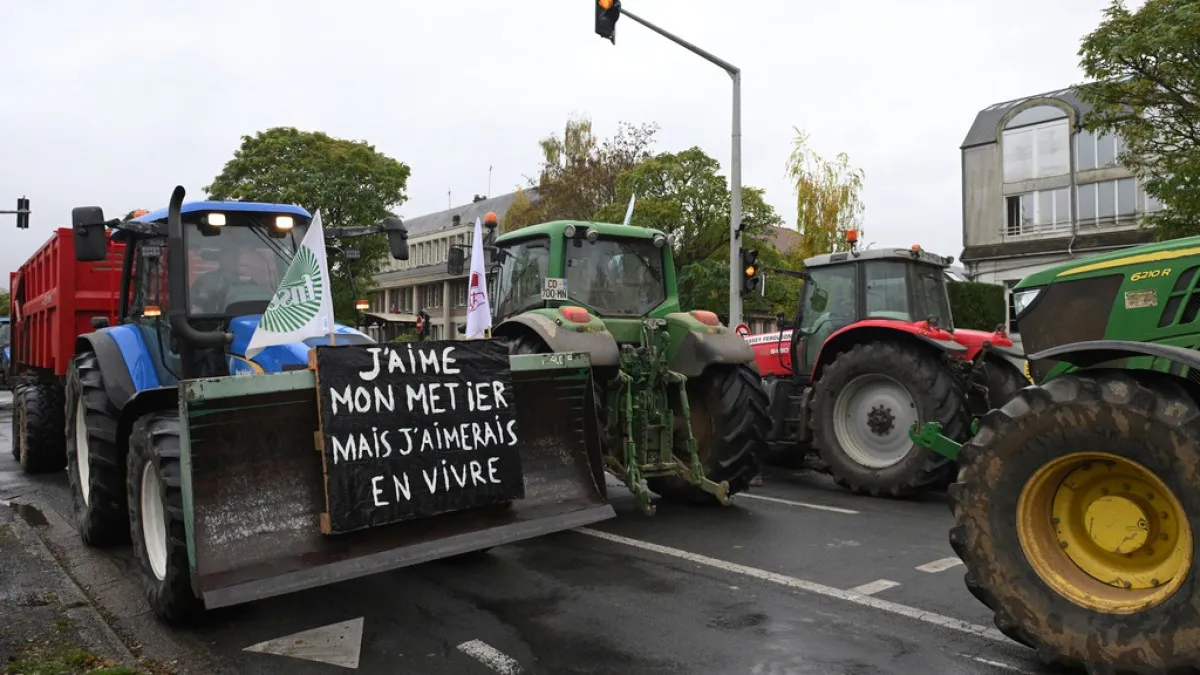
The deal, which comes as Brussels seeks new markets to offset US tariffs and reduce reliance on China for critical minerals, will open free trade with four South American countries.Published On 9 Jan 2026European Union ambassadors have given a provisional nod to the bloc’s largest-ever agreement in terms of erased tariffs, opening the way to free trade with the Mercosur group of South American countries.The provisional agreement by ambassadors from member states to the EU on Friday comes 25 years after negotiations with Mercosur – Argentina, Brazil, Paraguay and Uruguay – started.The European Commission, which concluded negotiations on the agreement a year ago, argues it is a vital part of a push to unlock new markets to offset business lost to US tariffs, and to reduce reliance on China by securing access to critical minerals.Major member states, including Germany and Spain, agree.However, opponents led by France, the EU’s largest agricultural producer, have fought the agreement, warning it will jack up imports of cheap food products, including beef, poultry and sugar, undercutting domestic farmers.Farmers have protested across the EU as the vote has neared. French and Belgian highways were blocked on Friday, while farmers marched in Poland.Ambassadors from the EU’s 27 member states indicated their governments’ positions on Friday, with at least 15 countries representing 65% of the bloc’s total population voting in favour, as required for approval, diplomats told journalists.Member states were given until 5pm Brussels time (16:00 GMT) to provide written confirmation of their votes.This will clear the way for Commission President Ursula von der Leyen to sign the agreement with Mercosur partners, possibly as early as next week. The European Parliament will also need to approve the accord before it can enter into force.
SRCAl Jazeera
LANGEN
LEANCenter
WORDS286
ENT12
FRI · 2026-01-09 · 12:31 GMTBRIEF NSR-2026-0109-6609
NSR-2026-0109-6609News Report·EN·Economic Impact
EU states’ nod on Mercosur trade deal ends 25-year wait
EU ambassadors have provisionally approved a free trade agreement with the Mercosur countries (Argentina, Brazil, Paraguay, and Uruguay) after 25 years of negotiations. The agreement, the EU's largest in terms of tariff removal, aims to open new markets and reduce reliance on China for critical minerals.
By Al Jazeera and News AgenciesAl JazeeraFiled 2026-01-09 · 12:31 GMTLean · CenterRead · 2 min
Al JazeeraFIG 01
Reading time
2min
Word count
286words
Sources cited
1cited
Entities identified
12entities
Quality score
100%
§ 01
Briefing Summary
AI-generatedNEWSAR · AI
EU ambassadors have provisionally approved a free trade agreement with the Mercosur countries (Argentina, Brazil, Paraguay, and Uruguay) after 25 years of negotiations. The agreement, the EU's largest in terms of tariff removal, aims to open new markets and reduce reliance on China for critical minerals. While the European Commission and major member states support the deal, some countries, led by France, oppose it due to concerns about increased cheap food imports undercutting domestic farmers. The approval by ambassadors from at least 15 member states representing 65% of the EU's population paves the way for Commission President Ursula von der Leyen to sign the agreement, potentially next week. The European Parliament must also approve the accord before it takes effect.
Confidence 0.90Sources 1Claims 5Entities 12
§ 02
Article analysis
Model · rule-basedFraming
Economic Impact
Political Strategy
Tone
Measured
AI-assessed
CalmNeutralAlarmist
Factuality
0.80 / 1.00
Factual
LowHigh
Sources cited
1
Limited
FewMany
§ 03
Key claims
5 extracted01
Negotiations with Mercosur – Argentina, Brazil, Paraguay and Uruguay – started 25 years ago.
factualArticle
Confidence
1.00
02
EU ambassadors have given a provisional nod to a free trade agreement with Mercosur countries.
factualArticle
Confidence
1.00
03
At least 15 countries representing 65% of the bloc's population voted in favor of the agreement.
factualDiplomats
Confidence
0.90
04
Opponents warn the agreement will increase imports of cheap food products, undercutting domestic farmers.
quoteOpponents (led by France)
Confidence
0.90
05
The European Commission argues the agreement will unlock new markets and reduce reliance on China.
quoteEuropean Commission
Confidence
0.90
§ 04
Full report
2 min read · 286 words§ 05
Entities
12 identifiedKey playerOppositionContextPositiveNeutralNegative
Organizations2
§ 06
Keywords & salience
7 termsfree trade
0.90
mercosur
0.80
us tariffs
0.80
critical minerals
0.70
eu tariffs
0.70
china trade
0.60
agricultural trade
0.50
§ 07
Topic connections
Interactive graph Network visualization showing 51 related topics
View Full Graph Person Organization Location Event|Click node to navigate|Edge numbers = shared articles