There's no doubt the US military has the capability to mount a blockade of vessels moving in and out of the Gulf. The question is: to what end?"I do think it's doable," retired US Rear Admiral Mark Montgomery told the BBC this morning. "And it's certainly less risky than the alternative, which would have been to forcibly push back the Iranians and create the conditions for a convoy."Some of the options floated by President Trump in recent weeks – the seizure of Kharg Island or militarily escorting convoys through the Strait of Hormuz – would have proved hazardous and potentially costly.US forces involved would have exposed themselves to attack from Iranian missiles, drones and fast boats. The possible presence of mines in the water would have added another layer of danger.By contrast, a blockade allows US warships to loiter safely, far offshore in the waters of the Gulf-of-oman" class="entity-link entity-location" data-entity-id="2457" data-entity-type="location">Gulf of Oman, track vessels emerging from Iranian ports and interdict them at will."There's less risk in this than there is in the very confined area of the Strait," Admiral Montgomery said.With special forces, helicopters and its own fast boats all available, the US navy has all the assets it needs for such an operation.Recent blockades of Venezuela and Cuba have demonstrated the capability. In early January, the seizure of the Russian oil tanker, the Marinera, far out in the northern Atlantic, showed that such operations can be carried out almost anywhere.
SRCBBC News - World
LANGEN
LEANCenter
WORDS239
ENT11
MON · 2026-04-13 · 15:27 GMTBRIEF NSR-2026-0413-66254
NSR-2026-0413-66254Analysis·EN·Political Strategy
The US blockade of Iran is a gamble. Will it work?
The article discusses the possibility of a US blockade of Iran, focusing on its feasibility and potential advantages over other military actions. According to retired US Rear Admiral Mark Montgomery, a blockade of vessels entering and exiting the Gulf is achievable and less risky than directly confronting Iranian forces in the Strait of Hormuz.
BBC News - WorldFiled 2026-04-13 · 15:27 GMTLean · CenterRead · 1 min
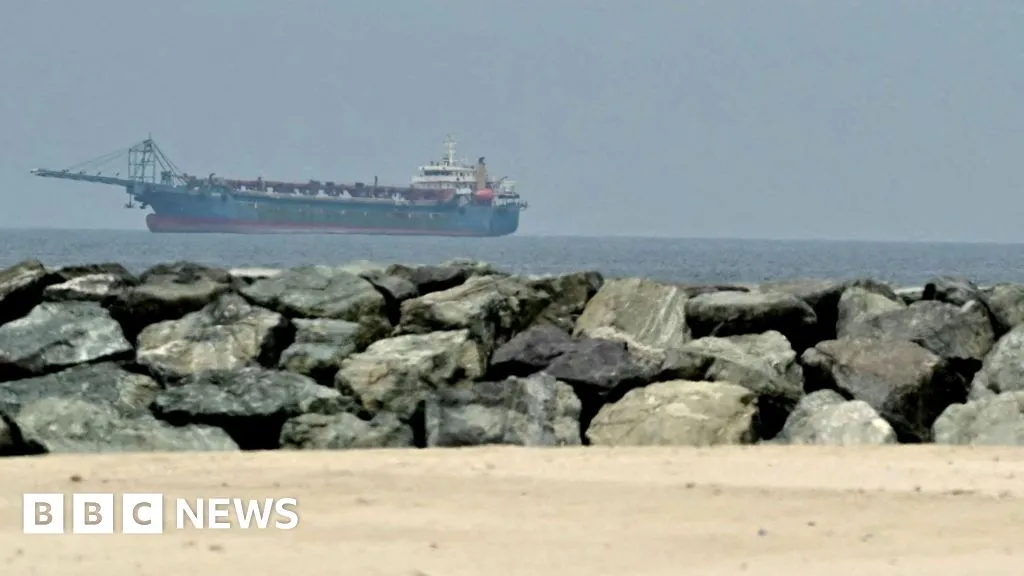
BBC News - WorldFIG 01
Reading time
1min
Word count
239words
Sources cited
1cited
Entities identified
11entities
Quality score
100%
§ 01
Briefing Summary
AI-generatedNEWSAR · AI
The article discusses the possibility of a US blockade of Iran, focusing on its feasibility and potential advantages over other military actions. According to retired US Rear Admiral Mark Montgomery, a blockade of vessels entering and exiting the Gulf is achievable and less risky than directly confronting Iranian forces in the Strait of Hormuz. A blockade would allow US warships to operate safely offshore, tracking and intercepting vessels. The US Navy possesses the necessary assets, including special forces, helicopters, and fast boats, to conduct such an operation, as demonstrated by previous blockades of Venezuela and Cuba, and the seizure of the Russian oil tanker Marinera. The article highlights that while the US has the capability, the ultimate goal and effectiveness of a blockade remain open questions.
Confidence 0.90Sources 1Claims 5Entities 11
§ 02
Article analysis
Model · rule-basedFraming
Political Strategy
National Security
Tone
Measured
AI-assessed
CalmNeutralAlarmist
Factuality
0.70 / 1.00
Factual
LowHigh
Sources cited
1
Limited
FewMany
§ 03
Key claims
5 extracted01
The US military has the capability to mount a blockade of vessels moving in and out of the Gulf.
factualArticle's own claim
Confidence
0.90
02
Recent blockades of Venezuela and Cuba have demonstrated the capability.
factualArticle's own claim
Confidence
0.80
03
A blockade allows US warships to loiter safely, far offshore in the waters of the Gulf of Oman.
factualArticle's own claim
Confidence
0.80
04
The seizure of the Russian oil tanker, the Marinera, showed that such operations can be carried out almost anywhere.
factualArticle's own claim
Confidence
0.70
05
It's doable and less risky than the alternative, which would have been to forcibly push back the Iranians.
quoteretired US Rear Admiral Mark Montgomery
Confidence
0.70
§ 04
Full report
1 min read · 239 words§ 05
Entities
11 identifiedKey playerOppositionContextPositiveNeutralNegative
§ 06
Keywords & salience
8 termsus blockade
1.00
iran
0.90
gulf of oman
0.70
strait of hormuz
0.60
military operation
0.60
vessels
0.50
us navy
0.50
risk assessment
0.40
§ 07
Topic connections
Interactive graph Network visualization showing 51 related topics
View Full Graph Person Organization Location Event|Click node to navigate|Edge numbers = shared articles