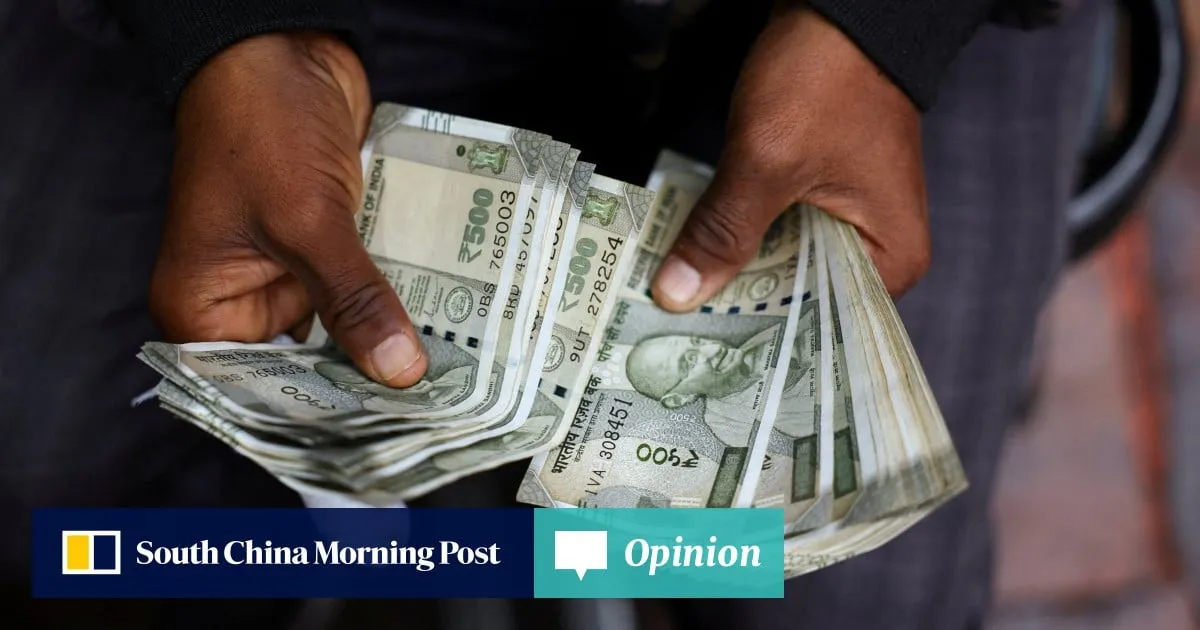
At first glance, the rupee is staging a recovery. India’s battered currency has gained around 1.5 per cent since March 27, making it the best-performing currency in Asia, according to Bloomberg data.However, the recent bounce belies vulnerabilities in India’s economy that have been exacerbated by the energy shock emanating from the war in Iran. India is one of the most exposed among Asia’s leading economies, importing 90 per cent of its oil and more than half its liquefied petroleum gas. According to Nomura, the share of India’s energy imports from the Middle East is one of the highest in the region.The surge in oil and gas prices caused by the effective closure of the Strait of Hormuz means India must buy more foreign currency to pay for its energy imports. This has put the rupee under more strain, fuelling inflation and causing the country’s current account deficit to widen. In a report on April 6, Citigroup said the energy shock “upended the benign ‘goldilocks’ macro backdrop for India”.Yet even before the war broke out, India’s economy and markets were losing some of their appeal, especially in the view of foreign investors. Last year, global funds sold a record US$18.8 billion of Indian stocks because of concerns about high valuations, punitive US tariffs on Indian goods, slower growth in corporate earnings and doubts about the underpinnings and sustainability of the economy’s rapid expansion.The selling pressure has intensified this year. In March alone, foreign investors sold US$14.2 billion of Indian equities, accounting for more than a quarter of the total net foreign outflows from the stock markets of Asia’s developing economies, according to data from the Institute of International Finance.The toxic combination of a further decline in the rupee, higher inflation and a deteriorating balance of payments position evokes memories of the severe financial strains that led to a dramatic sell-off in 2013. At that time, India was singled out as one of the members of the so-called fragile five group of vulnerable emerging markets.
SRCSouth China Morning Post
LANGEN
LEANCenter-Right
WORDS333
ENT10
THU · 2026-04-16 · 08:30 GMTBRIEF NSR-2026-0416-69962
NSR-2026-0416-69962Analysis·EN·Economic Impact
Bullish narrative around India’s economy at odds with struggling rupee
While the Indian rupee has recently shown gains, this masks underlying economic vulnerabilities. India's heavy reliance on energy imports, particularly from the Middle East, makes it susceptible to price shocks caused by geopolitical events like the conflict in Iran.
Nicholas SpiroSouth China Morning PostFiled 2026-04-16 · 08:30 GMTLean · Center-RightRead · 2 min
South China Morning PostFIG 01
Reading time
2min
Word count
333words
Sources cited
3cited
Entities identified
10entities
Quality score
100%
§ 01
Briefing Summary
AI-generatedNEWSAR · AI
While the Indian rupee has recently shown gains, this masks underlying economic vulnerabilities. India's heavy reliance on energy imports, particularly from the Middle East, makes it susceptible to price shocks caused by geopolitical events like the conflict in Iran. Rising oil and gas prices increase the demand for foreign currency, weakening the rupee, fueling inflation, and widening the current account deficit. Even before the conflict, foreign investors were selling Indian stocks due to concerns about high valuations, tariffs, and doubts about the sustainability of India's economic growth. This selling pressure has intensified, raising concerns about a potential repeat of the financial strains experienced in 2013.
Confidence 0.90Sources 3Claims 5Entities 10
§ 02
Article analysis
Model · rule-basedFraming
Economic Impact
Conflict
Tone
Mixed Tone
AI-assessed
CalmNeutralAlarmist
Factuality
0.70 / 1.00
Factual
LowHigh
Sources cited
3
Well sourced
FewMany
§ 03
Key claims
5 extracted01
In March, foreign investors sold US$14.2 billion of Indian equities.
statisticInstitute of International Finance
Confidence
1.00
02
Global funds sold a record US$18.8 billion of Indian stocks last year.
statistic
Confidence
1.00
03
The energy shock “upended the benign ‘goldilocks’ macro backdrop for India”.
quoteCitigroup
Confidence
1.00
04
India imports 90 per cent of its oil and more than half its liquefied petroleum gas.
factual
Confidence
1.00
05
India's currency has gained around 1.5 per cent since March 27, making it the best-performing currency in Asia.
statisticBloomberg data
Confidence
1.00
§ 04
Full report
2 min read · 333 words§ 05
Entities
10 identifiedKey playerOppositionContextPositiveNeutralNegative
Organizations4
§ 06
Keywords & salience
8 termsindian rupee
1.00
india's economy
0.90
energy shock
0.80
foreign investors
0.70
current account deficit
0.60
inflation
0.60
energy imports
0.50
emerging markets
0.40
§ 07
Topic connections
Interactive graph Network visualization showing 51 related topics
View Full Graph Person Organization Location Event|Click node to navigate|Edge numbers = shared articles