The statement added that the truce was a "gesture of goodwill" by Israel intended to enable "good-faith negotiations towards a permanent security and peace agreement" between the two parties.What have the various sides said about it?Israel and Lebanon's leaders have both welcomed the truce, with Netanyahu calling it an "opportunity to make a historic peace agreement".Lebanese Prime Minister Nawaf Salam said he hopes the agreement will allow those have been displaced by the conflict to return to their homes.Hezbollah have also signalled a willingness to participate in the ceasefire, but said it must include "a comprehensive halt to attacks" across Lebanon and "no freedom of movement for Israeli forces".The Iran-backed group, while deeply embedded in Lebanon, is not part of the Lebanese government's security apparatus.Iran's foreign ministry welcomed the ceasefire, with spokesperson Esmail Baghaei expressing his "solidarity" with Lebanon. Tehran had insisted that its own two-week ceasefire with the US should include Lebanon while the US and Israel said it did not.UN Secretary General António Guterres commended the role of the US in facilitating the ceasefire, and urged all parties to "fully respect" and "comply with international law at all times".Leaks from that meeting say ministers were not given a vote on the ceasefire.What does this have to do with the war in Iran?When the ceasefire with Iran was announced, there were mixed messages on whether Lebanon was involved. Pakistani officials, who helped negotiate the deal, and Iranian officials, said it was, but Israel said it was not. US President Donald Trump's press secretary Karoline Leavitt also later said Lebanon was not part of the deal.Israel launched strikes on Lebanon on 2 March in response to strikes launched by Hezbollah. This was after the US and Israel launched strikes on Iran – prompting retaliation from Tehran against US allies in the Gulf, and from Iran's proxies, which includes the Lebanese militant group. Israel and Hezbollah have continued to exchange fire since then, despite pleas from Lebanon's Prime Minister for both sides to stop doing so.More than 2,100 people have been killed and 7,000 others wounded in Israel's attacks on Lebanon since 2 March, according to the country's health ministry, which does not distinguish between combatants and civilians. The number includes at least 260 women and 172 children. The ministry says 91 health professionals have been killed and 208 other wounded in the war, with more than 120 Israeli attacks recorded on ambulances and medical facilities. BBC Verify analysis found more than 1,400 buildings in Lebanon had also been destroyed.Hezbollah attacks have killed two civilians in Israel over the same period, while 13 Israeli soldiers have been killed in combat in Lebanon, Israeli authorities say.On Thursday, the Israeli military destroyed the last bridge linking the south to the rest of the country, further isolating the region and renewing fears among many Lebanese that this could lead to a long-term occupation of some areas.
SRCBBC News - World
LANGEN
LEANCenter
WORDS482
ENT12
FRI · 2026-04-17 · 05:34 GMTBRIEF NSR-2026-0417-70211
NSR-2026-0417-70211News Report·EN·Conflict
What we know about the ceasefire between Lebanon and Israel
A ceasefire has been established between Israel and Lebanon, initiated by Israel as a "gesture of goodwill" to enable negotiations for a lasting peace agreement. Leaders from both Israel and Lebanon have welcomed the truce, hoping it will allow displaced people to return home.
BBC News - WorldFiled 2026-04-17 · 05:34 GMTLean · CenterRead · 2 min
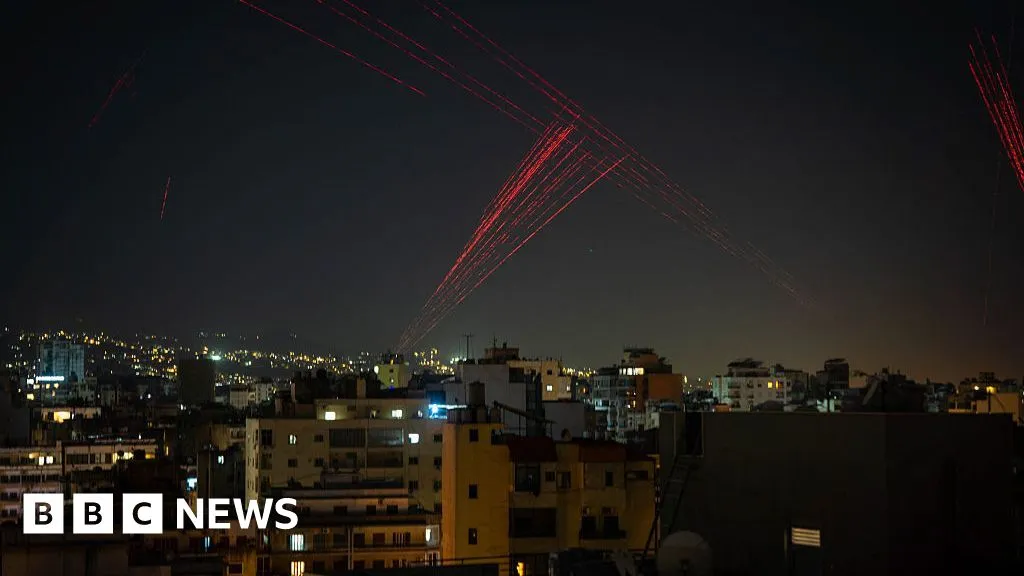
BBC News - WorldFIG 01
Reading time
2min
Word count
482words
Sources cited
8cited
Entities identified
12entities
Quality score
100%
§ 01
Briefing Summary
AI-generatedNEWSAR · AI
A ceasefire has been established between Israel and Lebanon, initiated by Israel as a "gesture of goodwill" to enable negotiations for a lasting peace agreement. Leaders from both Israel and Lebanon have welcomed the truce, hoping it will allow displaced people to return home. Hezbollah has signaled conditional willingness to participate, demanding a complete halt to attacks and restricted Israeli troop movement. The ceasefire follows escalating tensions, including Israeli strikes on Lebanon in response to Hezbollah attacks, which were triggered by US and Israeli strikes on Iran. While Iran welcomes the ceasefire and expressed solidarity with Lebanon, there were initially conflicting messages regarding Lebanon's inclusion in the Iran-US ceasefire. Since March 2nd, over 2,100 people have been killed and 7,000 wounded in Israel's attacks on Lebanon.
Confidence 0.90Sources 8Claims 5Entities 12
§ 02
Article analysis
Model · rule-basedFraming
Conflict
Diplomatic
Tone
Measured
AI-assessed
CalmNeutralAlarmist
Factuality
0.80 / 1.00
Factual
LowHigh
Sources cited
8
Well sourced
FewMany
§ 03
Key claims
5 extracted01
Hezbollah have also signalled a willingness to participate in the ceasefire.
quoteHezbollah
Confidence
1.00
02
Israel and Lebanon's leaders have both welcomed the truce.
quoteNetanyahu, Nawaf Salam
Confidence
1.00
03
13 Israeli soldiers have been killed in combat in Lebanon.
statisticIsraeli authorities
Confidence
0.90
04
Hezbollah attacks have killed two civilians in Israel over the same period.
statisticIsraeli authorities
Confidence
0.90
05
More than 2,100 people have been killed and 7,000 others wounded in Israel's attacks on Lebanon since 2 March.
statisticLebanon's health ministry
Confidence
0.90
§ 04
Full report
2 min read · 482 words§ 05
Entities
12 identifiedKey playerOppositionContextPositiveNeutralNegative
People6
Organizations1
§ 06
Keywords & salience
10 termsceasefire
1.00
israel
0.90
lebanon
0.90
hezbollah
0.70
peace agreement
0.70
iran
0.60
negotiations
0.60
truce
0.50
attacks
0.50
security
0.40
§ 07
Topic connections
Interactive graph Network visualization showing 51 related topics
View Full Graph Person Organization Location Event|Click node to navigate|Edge numbers = shared articles