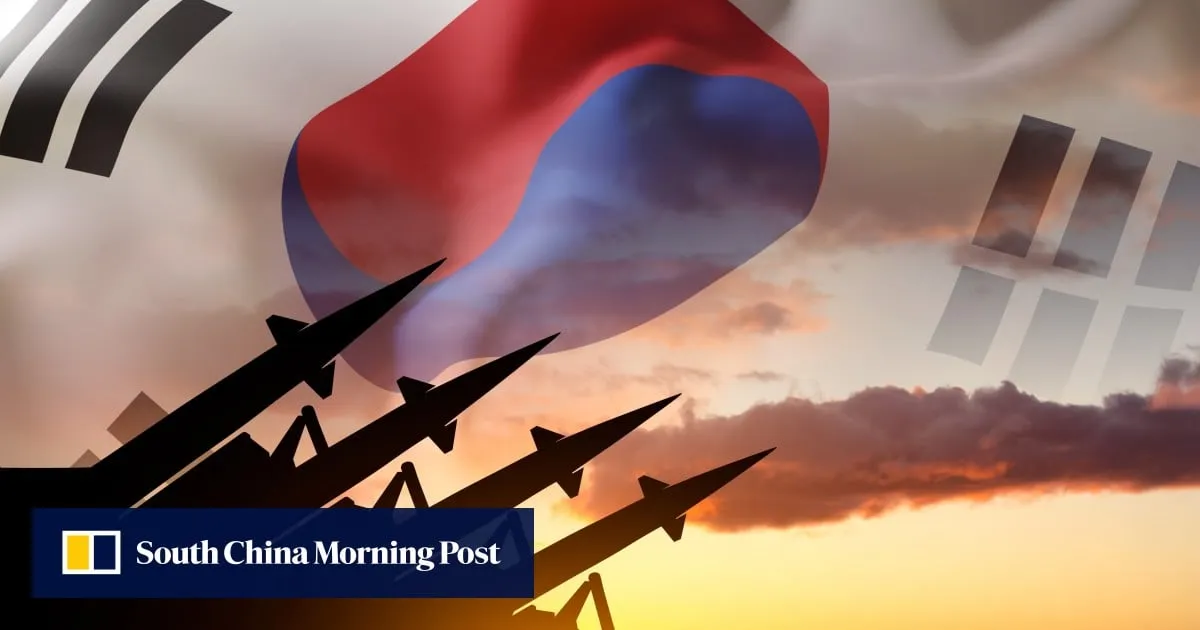
South Korea’s combat-proven, interoperable and geopolitically accessible surface-to-air missiles could hinder China’s efforts to sell its own defence systems to the Middle East, analysts have suggested.The US-Israel war on Iran has been marked by tit-for-tat missile and drone attacks across the Persian Gulf states, driving a surge in demand for surface-to-air missiles to defend against incoming Iranian aerial threats.According to a study by the Foreign Policy Research Institute, a Philadelphia-based think tank, more than 5,000 munitions were fired in the first 96 hours of the armed conflict, including about one-third of the Terminal High Altitude Area Defence (THAAD) missiles operated by Gulf states.As the war has continued, a shortage of surface-to-air missiles has pushed Washington to relocate to the Middle East parts of its air-defence systems deployed elsewhere in the world, such as its THAAD and Patriot systems in South Korea. South Korea may see US missiles move to Middle East
SRCSouth China Morning Post
LANGEN
LEANCenter-Right
WORDS151
ENT11
FRI · 2026-04-17 · 09:00 GMTBRIEF NSR-2026-0417-70272
NSR-2026-0417-70272Analysis·EN·National Security
Will South Korea’s ‘Goldilocks’ missile dent China’s Middle East arms ambitions?
South Korea's surface-to-air missiles are poised to potentially impact China's arms sales ambitions in the Middle East. Heightened tensions and missile attacks in the Persian Gulf region have driven increased demand for air defense systems.
Seong Hyeon ChoiSouth China Morning PostFiled 2026-04-17 · 09:00 GMTLean · Center-RightRead · 1 min
South China Morning PostFIG 01
Reading time
1min
Word count
151words
Sources cited
1cited
Entities identified
11entities
Quality score
100%
§ 01
Briefing Summary
AI-generatedNEWSAR · AI
South Korea's surface-to-air missiles are poised to potentially impact China's arms sales ambitions in the Middle East. Heightened tensions and missile attacks in the Persian Gulf region have driven increased demand for air defense systems. A recent study highlighted the extensive use of surface-to-air missiles during the conflict, leading to shortages and prompting the US to redeploy its systems, including those from South Korea, to the Middle East. Analysts suggest that South Korea's combat-proven and geopolitically accessible missiles could present competition to China's defense systems in the region, as Middle Eastern countries seek to bolster their air defenses.
Confidence 0.85Sources 1Claims 4Entities 11
§ 02
Article analysis
Model · rule-basedFraming
National Security
Economic Impact
Tone
Measured
AI-assessed
CalmNeutralAlarmist
Factuality
0.60 / 1.00
Mixed
LowHigh
Sources cited
1
Limited
FewMany
§ 03
Key claims
4 extracted01
Demand for surface-to-air missiles has surged in the Middle East due to missile and drone attacks.
factual
Confidence
0.90
02
Washington has relocated air-defense systems to the Middle East due to a shortage of surface-to-air missiles.
factual
Confidence
0.80
03
More than 5,000 munitions were fired in the first 96 hours of the armed conflict.
statisticForeign Policy Research Institute
Confidence
0.80
04
South Korea's surface-to-air missiles could hinder China's efforts to sell its defence systems to the Middle East.
predictionanalysts
Confidence
0.70
§ 04
Full report
1 min read · 151 words§ 05
Entities
11 identifiedKey playerOppositionContextPositiveNeutralNegative
Organizations2
Locations8
Events1
§ 06
Keywords & salience
10 termssurface-to-air missiles
1.00
south korea
0.90
middle east
0.90
arms sales
0.80
china
0.70
defense systems
0.70
missile defense
0.60
aerial threats
0.50
thaad
0.50
geopolitics
0.40
§ 07
Topic connections
Interactive graph Network visualization showing 51 related topics
View Full Graph Person Organization Location Event|Click node to navigate|Edge numbers = shared articles