Congress passed a short extension to a high-profile surveillance law on Friday after failing to secure the long-term reauthorisation pushed by US President Donald Trump.The brief pause comes after a late-night attempt to reauthorise the law for five years failed in the House.It sets up another round of wrangling over whether and how to reform what is known as Section 702 of the Foreign Intelligence Surveillance Act, which allows the National Security Agency to surveil foreigners using data drawn from US digital infrastructure.The provision has long been a magnet for anxieties over domestic surveillance from both political conservatives and progressives because it can allow the NSA’s law enforcement counterparts to mine the massive data trove without a warrant.The law had been due to expire on Monday, but the House voted by unanimous consent to extend it through April 30 – effectively kicking the can down the road for 10 days to give more breathing room for negotiations. Senators voted unanimously to pass the House’s short-term fix shortly before 11am on Friday.Senate Republican Leader John Thune walks towards the Senate Chamber of the US Capitol Building on Wednesday. Photo: AFPSenate Republican Leader John Thune said there was some openness to reforms to the surveillance law but he said doing so would depend on details.
SRCSouth China Morning Post
LANGEN
LEANCenter-Right
WORDS213
ENT8
FRI · 2026-04-17 · 18:27 GMTBRIEF NSR-2026-0417-70401
NSR-2026-0417-70401News Report·EN·National Security
US Congress extends controversial surveillance law by 10 days
The US Congress extended Section 702 of the Foreign Intelligence Surveillance Act by 10 days, delaying its expiration from Monday to April 30. This short-term extension occurred after a five-year reauthorization failed in the House.
ReutersSouth China Morning PostFiled 2026-04-17 · 18:27 GMTLean · Center-RightRead · 1 min
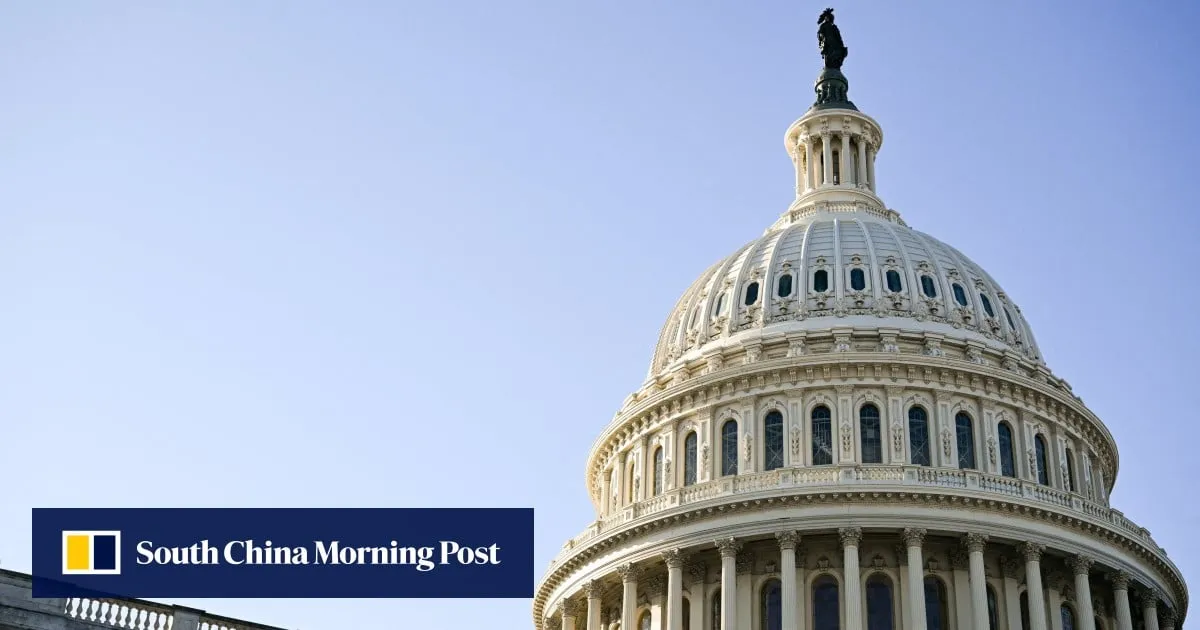
South China Morning PostFIG 01
Reading time
1min
Word count
213words
Sources cited
1cited
Entities identified
8entities
Quality score
100%
§ 01
Briefing Summary
AI-generatedNEWSAR · AI
The US Congress extended Section 702 of the Foreign Intelligence Surveillance Act by 10 days, delaying its expiration from Monday to April 30. This short-term extension occurred after a five-year reauthorization failed in the House. Section 702 allows the NSA to surveil foreigners using US digital infrastructure, raising concerns about potential warrantless domestic surveillance. The extension provides more time for negotiations on potential reforms to the law, which has drawn criticism from both conservatives and progressives. Senate Republican Leader John Thune indicated openness to reforms, contingent on specific details. The House and Senate both passed the extension unanimously.
Confidence 0.90Sources 1Claims 5Entities 8
§ 02
Article analysis
Model · rule-basedFraming
National Security
Political Strategy
Tone
Measured
AI-assessed
CalmNeutralAlarmist
Factuality
0.80 / 1.00
Factual
LowHigh
Sources cited
1
Limited
FewMany
§ 03
Key claims
5 extracted01
Section 702 of the Foreign Intelligence Surveillance Act allows the NSA to surveil foreigners using data drawn from US digital infrastructure.
factual
Confidence
1.00
02
The law had been due to expire on Monday.
factual
Confidence
1.00
03
The House voted by unanimous consent to extend it through April 30.
factual
Confidence
1.00
04
Congress passed a short extension to a high-profile surveillance law.
factual
Confidence
1.00
05
Senate Republican Leader John Thune said there was some openness to reforms to the surveillance law.
quoteSenate Republican Leader John Thune
Confidence
0.90
§ 04
Full report
1 min read · 213 words§ 05
Entities
8 identifiedKey playerOppositionContextPositiveNeutralNegative
Organizations5
Locations1
§ 06
Keywords & salience
9 termssurveillance law
1.00
section 702
0.90
foreign intelligence surveillance act
0.80
reauthorization
0.70
domestic surveillance
0.60
national security agency
0.60
us congress
0.50
data mining
0.50
10-day extension
0.40
§ 07
Topic connections
Interactive graph Network visualization showing 27 related topics
View Full Graph Person Organization Location Event|Click node to navigate|Edge numbers = shared articles