A quarter featuring multiple eye-popping deals is no longer unusual for China’s pharmaceutical industry – in fact, it may soon be considered a slow season.In recent months, companies including CSPC Pharmaceutical and RemeGen have struck out-licensing agreements worth up to US$18.5 billion and US$5.6 billion respectively, while Haisco Pharmaceutical Group has added two of its own — most recently a deal worth up to US$745 million.Under the terms of the deal, the Beijing-based Haisco granted US pharmaceutical giant AbbVie the rights to develop, manufacture and sell a portfolio of home-grown pain drug molecules outside China, as global drug makers race to replenish pipelines ahead of a looming patent cliff.The burst of deal making signals a shift in how Chinese biotech firms are positioning themselves in the global drug industry – moving beyond low-cost manufacturing into higher-value innovation.With artificial intelligence also reshaping drug discovery and development, that shift may be hitting a new gear, raising a bigger question about how quickly China could climb to the global industry’s top tier.“China is already a large player in the global drug value chain, and its role could become larger over the next three to five years,” said Tony Ren, head of Asia Healthcare Research at Macquarie Capital, whose team covers about 30 healthcare stocks in Hong Kong, China and Japan.According to Macquarie Capital and McKinsey, the pharmaceutical value chain can be grouped into four main stages: research and development (R&D), clinical trials, manufacturing and commercialisation.
SRCSouth China Morning Post
LANGEN
LEANCenter-Right
WORDS242
ENT10
SAT · 2026-04-18 · 03:00 GMTBRIEF NSR-2026-0418-70439
NSR-2026-0418-70439News Report·EN·Economic Impact
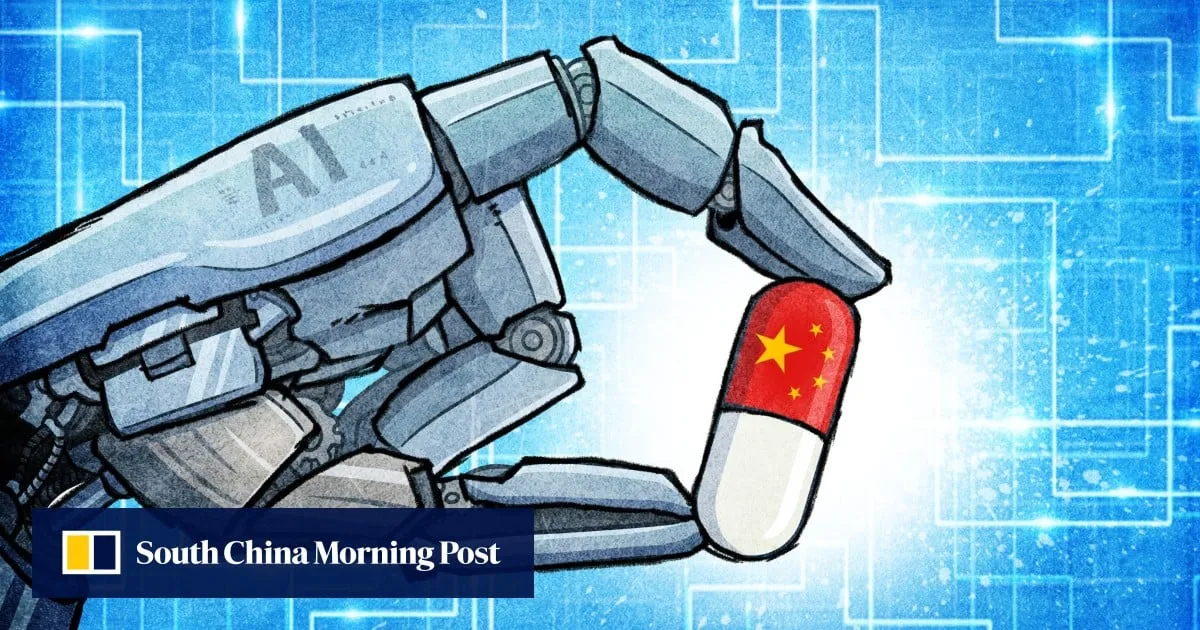
As China’s biotech firms shift gears, can AI floor the accelerator?
Chinese biotech firms are increasingly focusing on innovation rather than just low-cost manufacturing, as evidenced by recent out-licensing agreements with global pharmaceutical companies like AbbVie. These deals, worth billions of dollars, allow foreign firms to develop, manufacture, and sell Chinese-developed drugs outside of China.
Julie ZhangSouth China Morning PostFiled 2026-04-18 · 03:00 GMTLean · Center-RightRead · 1 min
South China Morning PostFIG 01
Reading time
1min
Word count
242words
Sources cited
1cited
Entities identified
10entities
Quality score
100%
§ 01
Briefing Summary
AI-generatedNEWSAR · AI
Chinese biotech firms are increasingly focusing on innovation rather than just low-cost manufacturing, as evidenced by recent out-licensing agreements with global pharmaceutical companies like AbbVie. These deals, worth billions of dollars, allow foreign firms to develop, manufacture, and sell Chinese-developed drugs outside of China. This shift is driven by the need for global drug makers to replenish their pipelines and the potential for China to become a larger player in the global drug value chain, particularly in research and development. Artificial intelligence is also playing a role in reshaping drug discovery and development in China. Experts believe China's role in the global drug industry could expand significantly in the next three to five years.
Confidence 0.90Sources 1Claims 5Entities 10
§ 02
Article analysis
Model · rule-basedFraming
Economic Impact
Technology
Tone
Measured
AI-assessed
CalmNeutralAlarmist
Factuality
0.70 / 1.00
Factual
LowHigh
Sources cited
1
Limited
FewMany
§ 03
Key claims
5 extracted01
The pharmaceutical value chain can be grouped into four main stages: R&D, clinical trials, manufacturing and commercialisation.
factualMacquarie Capital and McKinsey
Confidence
1.00
02
Haisco Pharmaceutical Group granted AbbVie rights to develop, manufacture and sell a portfolio of pain drug molecules outside China.
factual
Confidence
1.00
03
CSPC Pharmaceutical and RemeGen have struck out-licensing agreements worth up to US$18.5 billion and US$5.6 billion respectively.
factual
Confidence
1.00
04
Global drug makers race to replenish pipelines ahead of a looming patent cliff.
factual
Confidence
0.90
05
China is already a large player in the global drug value chain, and its role could become larger over the next three to five years.
quoteTony Ren, head of Asia Healthcare Research at Macquarie Capital
Confidence
0.70
§ 04
Full report
1 min read · 242 words§ 05
Entities
10 identifiedKey playerOppositionContextPositiveNeutralNegative
People1
Organizations5
§ 06
Keywords & salience
10 termschina
0.90
biotech firms
0.90
pharmaceutical industry
0.80
drug discovery
0.70
artificial intelligence
0.70
out-licensing agreements
0.60
drug development
0.60
patent cliff
0.50
innovation
0.50
r&d
0.40
§ 07
Topic connections
Interactive graph Network visualization showing 51 related topics
View Full Graph Person Organization Location Event|Click node to navigate|Edge numbers = shared articles