Japan is set to take another step away from its long-standing limits on arms exports, a move analysts say will strengthen the domestic defence industry, spur innovation, deepen security ties and reduce Tokyo’s reliance on the US at a time when Washington is increasingly seen as a less reliable partner.The Yomiuri newspaper reported on Thursday that revisions to the Three Principles on the Transfer of Defence Equipment and Technology would be approved at a cabinet meeting next week.The changes would mark a further shift from Japan’s post-war restrictions on arms exports, first codified in 1967, to prohibit weapons transfers to communist bloc countries, nations subject to UN arms embargoes, or those involved in – or likely to be involved in – international conflict.
SRCSouth China Morning Post
LANGEN
LEANCenter-Right
WORDS123
ENT4
SAT · 2026-04-18 · 01:00 GMTBRIEF NSR-2026-0418-70446
NSR-2026-0418-70446News Report·EN·National Security
Japan ditches decades of arm export curbs as US reliability wavers
Japan is poised to ease its decades-old restrictions on arms exports, with revisions to the Three Principles on the Transfer of Defence Equipment and Technology expected to be approved next week. This move marks a departure from the country's post-World War II policy, initially established in 1967, which prohibited arms transfers to communist nations, countries under UN embargoes, or those engaged in international conflicts.
Julian RyallSouth China Morning PostFiled 2026-04-18 · 01:00 GMTLean · Center-RightRead · 1 min
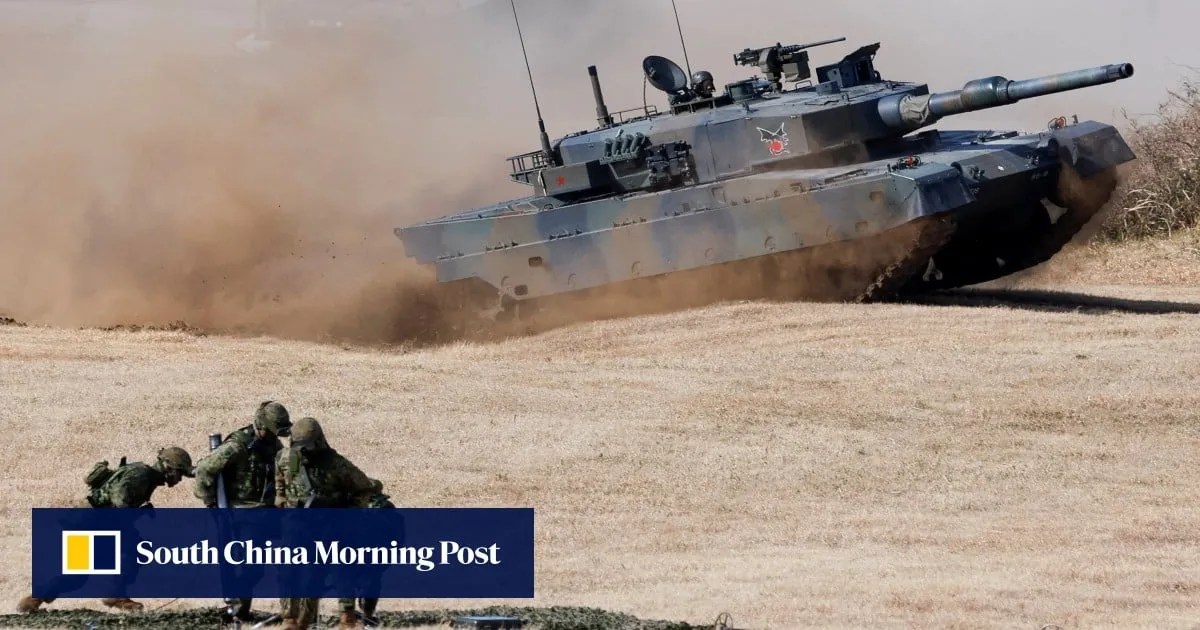
South China Morning PostFIG 01
Reading time
1min
Word count
123words
Sources cited
1cited
Entities identified
4entities
Quality score
100%
§ 01
Briefing Summary
AI-generatedNEWSAR · AI
Japan is poised to ease its decades-old restrictions on arms exports, with revisions to the Three Principles on the Transfer of Defence Equipment and Technology expected to be approved next week. This move marks a departure from the country's post-World War II policy, initially established in 1967, which prohibited arms transfers to communist nations, countries under UN embargoes, or those engaged in international conflicts. Analysts suggest the policy shift aims to bolster Japan's domestic defense industry, encourage innovation, strengthen security alliances, and lessen its dependence on the United States amid concerns about Washington's reliability. The Yomiuri newspaper reported the impending changes on Thursday.
Confidence 0.85Sources 1Claims 5Entities 4
§ 02
Article analysis
Model · rule-basedFraming
National Security
Political Strategy
Tone
Measured
AI-assessed
CalmNeutralAlarmist
Factuality
0.70 / 1.00
Factual
LowHigh
Sources cited
1
Limited
FewMany
§ 03
Key claims
5 extracted01
Changes would mark a further shift from Japan’s post-war restrictions on arms exports.
factual
Confidence
1.00
02
Revisions to the Three Principles on the Transfer of Defence Equipment and Technology would be approved at a cabinet meeting next week.
factualThe Yomiuri newspaper
Confidence
1.00
03
Japan is set to take another step away from its long-standing limits on arms exports.
factual
Confidence
1.00
04
Washington is increasingly seen as a less reliable partner.
factual
Confidence
0.80
05
Analysts say the move will strengthen the domestic defence industry, spur innovation, deepen security ties and reduce Tokyo’s reliance on the US.
predictionanalysts
Confidence
0.70
§ 04
Full report
1 min read · 123 words§ 05
Entities
4 identifiedKey playerOppositionContextPositiveNeutralNegative
Organizations2
§ 06
Keywords & salience
7 termsarms exports
1.00
us reliability
0.80
defense industry
0.70
security ties
0.60
weapons transfers
0.50
post-war restrictions
0.50
innovation
0.40
§ 07
Topic connections
Interactive graph Network visualization showing 51 related topics
View Full Graph Person Organization Location Event|Click node to navigate|Edge numbers = shared articles