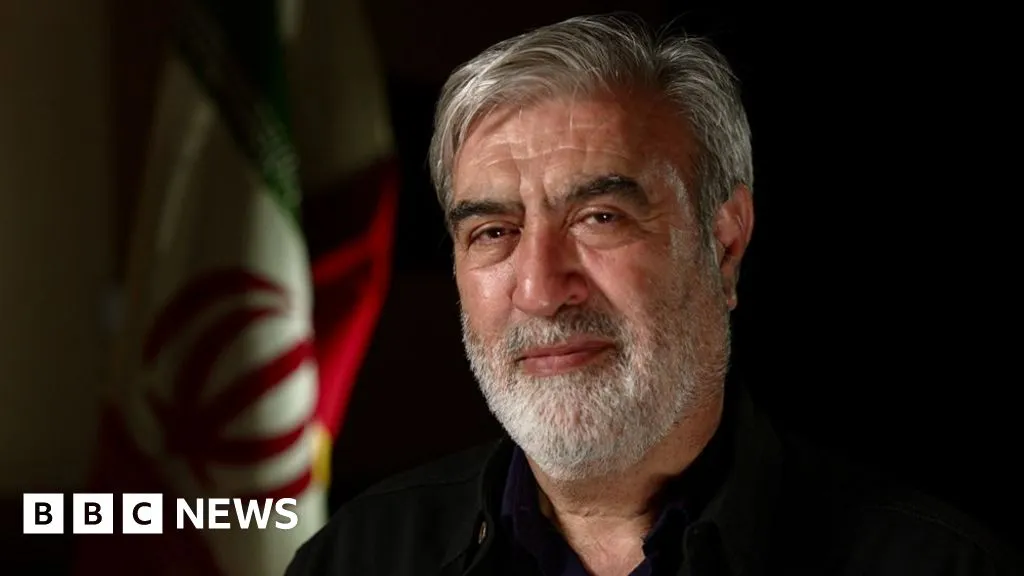
Tehran now sees its ability to control the passage of vital maritime traffic, including critical oil and gas tankers, not just as a bargaining chip in current negotiations, but as long-term leverage."The first priority for Iran after the war is to restore deterrence and the Strait of Hormuz is among Iran's principal strategic leverages," explains Mohammad Eslami, a research fellow at the University of Tehran."Tehran is open to discussing how other nations can benefit from Iran's new framework for the strait, but control is the bottom line."But that's a future rejected by some of Iran's neighbours already furious about its attacks on their countries during the five weeks of war, which is now on pause in a fragile temporary ceasefire."An act of hostile piracy" is how Dr Anwar Gargash, diplomatic adviser to the president of the United Arab Emirates, described it to me in a recent interview. He warned that if Iran refused to relinquish its control of these international waters it would set a "dangerous precedent" for other strategic waterways in the world."They are the pirates who sold our region to the Americans," was Azizi's retort in a reference to the US military bases across the Middle East which, along with other infrastructure, were repeatedly targeted by Iran's drones and missiles. The US, he added, was "the biggest pirate in the world".He's now accused Tehran of trying to "blackmail" the US."I don't expect much from a man who twists the truth," Azizi scoffs. "We are just defending our rights in the face of American blackmail."Like many high-level Iranians, he often hits back at Trump with mocking social media posts on X. Their trolling underlies how they enjoy access to the international internet denied to the vast majority of Iranians in the near-total digital blackout in force for many weeks.Azizi, whose parliamentary file also includes national security, wouldn't say when it would be lifted, only emphasising "when it is safe and secure we will lift the ban so that the enemy will not take advantage".I also asked him about recent waves of arrests and what human rights groups, including Amnesty International, say are dozens of death sentences handed down to protesters detained during January's nationwide protests, which were crushed with lethal forces and killed many thousands. Several executions, including of young people, have recently been carried out.Azizi repeated the government's claim that the US and Israeli spy agencies (the CIA and Mossad, respectively) had been involved in the unrest.He dismissed rising concern among some Iranians that internal security will tighten further."In war, even in a ceasefire, there are rules," he declared.
SRCBBC News - World
LANGEN
LEANCenter
WORDS431
ENT12
SUN · 2026-04-19 · 21:09 GMTBRIEF NSR-2026-0419-70813
NSR-2026-0419-70813News Report·EN·National Security
Tehran will never cede control of Strait of Hormuz, senior Iranian politician tells BBC
A senior Iranian politician told the BBC that Iran will not cede control of the Strait of Hormuz, viewing it as long-term leverage, especially after the recent war. While open to discussing benefits for other nations, Iran considers control of the Strait a non-negotiable strategic asset for restoring deterrence.
BBC News - WorldFiled 2026-04-19 · 21:09 GMTLean · CenterRead · 2 min
BBC News - WorldFIG 01
Reading time
2min
Word count
431words
Sources cited
3cited
Entities identified
12entities
Quality score
100%
§ 01
Briefing Summary
AI-generatedNEWSAR · AI
A senior Iranian politician told the BBC that Iran will not cede control of the Strait of Hormuz, viewing it as long-term leverage, especially after the recent war. While open to discussing benefits for other nations, Iran considers control of the Strait a non-negotiable strategic asset for restoring deterrence. This stance has drawn criticism from neighboring countries, with a UAE official calling it "hostile piracy" and warning of a "dangerous precedent." The Iranian politician accused the US of blackmail and piracy, referencing US military presence in the Middle East. He also addressed the internet blackout in Iran, stating it would be lifted when safe and secure, and defended the government's actions regarding recent arrests and death sentences of protestors.
Confidence 0.90Sources 3Claims 5Entities 12
§ 02
Article analysis
Model · rule-basedFraming
National Security
Political Strategy
Tone
Mixed Tone
AI-assessed
CalmNeutralAlarmist
Factuality
0.60 / 1.00
Mixed
LowHigh
Sources cited
3
Well sourced
FewMany
§ 03
Key claims
5 extracted01
The US and Israeli spy agencies (the CIA and Mossad, respectively) had been involved in the unrest.
quoteAzizi
Confidence
1.00
02
If Iran refused to relinquish its control of these international waters it would set a 'dangerous precedent'.
quoteDr Anwar Gargash
Confidence
1.00
03
Iran is open to discussing how other nations can benefit from Iran's new framework for the strait, but control is the bottom line.
quoteMohammad Eslami
Confidence
1.00
04
Tehran sees its ability to control the Strait of Hormuz as long-term leverage.
quoteMohammad Eslami
Confidence
1.00
05
Dozens of death sentences handed down to protesters detained during January's nationwide protests.
factualAmnesty International
Confidence
0.90
§ 04
Full report
2 min read · 431 words§ 05
Entities
12 identifiedKey playerOppositionContextPositiveNeutralNegative
Organizations4
§ 06
Keywords & salience
9 termsstrait of hormuz
1.00
iran
0.90
control
0.80
maritime traffic
0.70
leverage
0.60
negotiations
0.60
blackmail
0.50
united states
0.50
digital blackout
0.40
§ 07
Topic connections
Interactive graph Network visualization showing 51 related topics
View Full Graph Person Organization Location Event|Click node to navigate|Edge numbers = shared articles