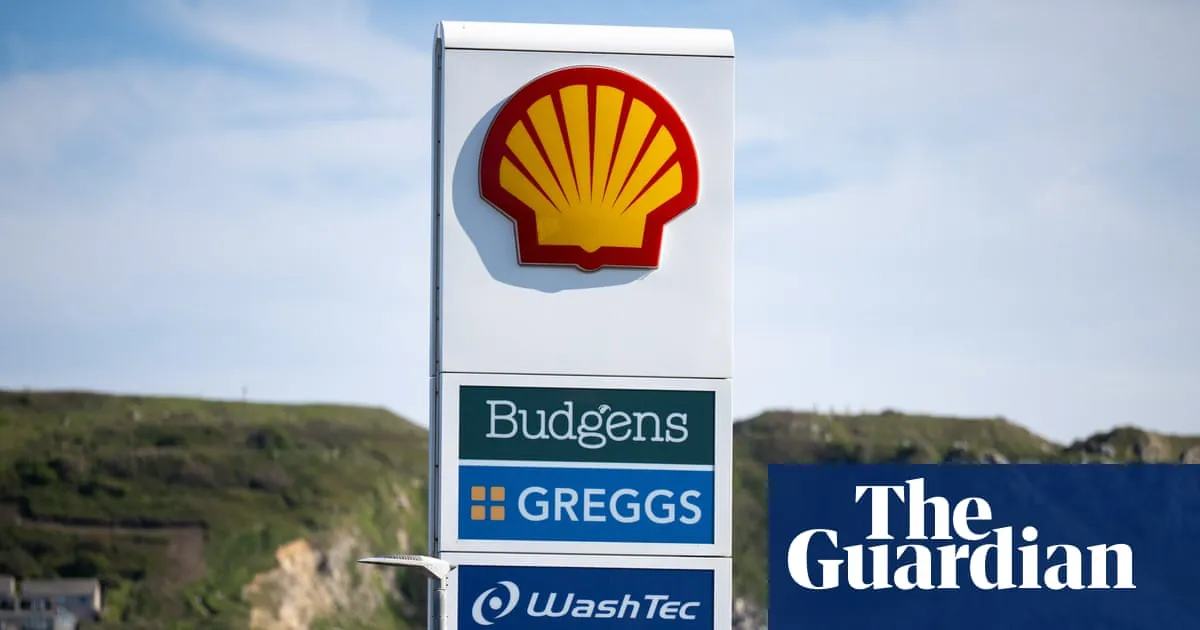
UK inflation accelerated to 3.3% in March after the Iran-war" class="entity-link entity-event" data-entity-id="38748" data-entity-type="event">Iran war triggered the biggest jump in fuel prices for more than three years.In the first official snapshot of the damage to living standards in Britain from the US-Israeli war on Iran, the Office for National Statistics (ONS) said the consumer prices index increased last month from a rate of 3% in February. The rise matched the forecasts by City economists.Grant Fitzner, the ONS chief economist, said: “Inflation climbed in March, largely due to increased fuel prices … Air fares were another upward driver this month, alongside rising food prices.”Petrol and diesel prices have soared since the start of the Middle East conflict, reflecting a jump in the global oil price to close to $100 a barrel as the closure of the critical strait of Hormuz throttles energy supplies.Against a volatile backdrop in the war, the International Monetary Fund has warned that Britain faces the sharpest growth slowdown and joint highest inflation rate in the G7 this year amid the threat of a global recession.March’s headline rate of inflation remains above the 2% target set by the government. The Bank of England left interest rates unchanged last month while warning that a prolonged conflict and disruption to global energy markets could force it to raise the borrowing costs to stop high inflation from becoming entrenched.Before the war, inflation had been predicted to fall sharply in April as measures announced in Rachel Reeves’s autumn budget, including cuts to energy bills, come into effect. However, while a drop to almost 2% had been predicted, forecasters now anticipate inflation will remain stubbornly high this year amid the mounting economic damage from the war.The chancellor said the government was taking action to protect consumers from price increases.“This is not our war, but it is pushing up bills for families and businesses. That’s why it’s my number one priority to keep costs down,” Reeves said. “Our economic plan is the right one and has put us in a stronger position to support families in the face of this new crisis.”The latest snapshot from the ONS showed overall transport prices – including motor fuel costs and air fares – rose by 4.7% in the year to March, up from 2.4% in the 12 months to February, hitting the fastest annual rate since December 2022.The average price of petrol rose by 8.6p a litre between February and March to 140.2p, the highest level since August 2024. Diesel prices rose by 17.6p a litre to 158.7p, the highest since November 2023.The ONS said the only significant offset came from clothing costs, where prices rose by less than this time last year.Highlighting cooling inflationary pressures in the UK before the Iran-war" class="entity-link entity-event" data-entity-id="38748" data-entity-type="event">Iran war started, core inflation – which excludes more volatile energy, food, alcohol and tobacco – eased to 3.1%, down from 3.2% in February.Economists said headline inflation would probably fall back in April as the government’s measures to cut energy bills come into effect. However, the rate would no longer drop close to 2% as the mounting hit from the Middle East conflict pushes in the opposite direction.Households are also expected to face a rise in energy bills in July when the Ofgem price cap is next updated.Martin Beck, the chief economist at WPI Strategy, said: “How far inflation rises from here will depend heavily on developments in the Middle East.“If recent signs of diplomatic progress translate into a sustained easing in tensions and energy supplies normalise, inflation could peak at about 3.5-4% this summer. But a renewed escalation could just as easily push inflation towards 5%.”The Bank of England has said it remains too soon to know if the rise in the headline rate risks inflationary pressures from becoming entrenched in the economy, as a weak growth outlook and elevated unemployment limits the potential for workers to demand higher pay increases and for businesses to pass on higher costs.Financial markets predict at least one rise in interest rates this year, although they anticipate the Bank will continue to keep borrowing costs on hold at its next policy meeting on 30 April.
SRCThe Guardian - World News
LANGEN
LEANCenter-Left
WORDS682
ENT11
WED · 2026-04-22 · 06:01 GMTBRIEF NSR-2026-0422-71430
NSR-2026-0422-71430News Report·EN·Economic Impact
UK inflation rises to 3.3% amid soaring fuel prices driven by Iran war
The UK's consumer prices index rose to 3.3% in March, driven by soaring fuel prices following the Iran war. The Office for National Statistics reported that inflation increased from a rate of 3% in February, matching forecasts made by City economists.
Richard Partington Senior economics correspondentThe Guardian - World NewsFiled 2026-04-22 · 06:01 GMTLean · Center-LeftRead · 3 min
The Guardian - World NewsFIG 01
Reading time
3min
Word count
682words
Sources cited
5cited
Entities identified
11entities
Quality score
100%
§ 01
Briefing Summary
AI-generatedNEWSAR · AI
The UK's consumer prices index rose to 3.3% in March, driven by soaring fuel prices following the Iran war. The Office for National Statistics reported that inflation increased from a rate of 3% in February, matching forecasts made by City economists. Petrol and diesel prices surged since the start of the conflict, with the average price of petrol rising to 140.2p per litre, its highest level since August 2024. Air fares also contributed to the increase, alongside rising food prices. The International Monetary Fund warned that Britain faces a sharp growth slowdown and joint-highest inflation rate in the G7 this year. The government is taking action to protect consumers from price increases, with Chancellor Rachel Reeves prioritizing cost reduction measures.
Confidence 0.90Sources 5Claims 5Entities 11
§ 02
Article analysis
Model · rule-basedFraming
Economic Impact
Tone
Measured
AI-assessed
CalmNeutralAlarmist
Factuality
0.70 / 1.00
Factual
LowHigh
Sources cited
5
Well sourced
FewMany
§ 03
Key claims
5 extracted01
March’s headline rate of inflation remains above the 2% target set by the government.
statisticOffice for National Statistics (ONS)
Confidence
1.00
02
Petrol and diesel prices have soared since the start of the Middle East conflict, reflecting a jump in the global oil price to close to $100 a barrel.
statistic
Confidence
1.00
03
UK inflation accelerated to 3.3% in March after the Iran war triggered the biggest jump in fuel prices for more than three years.
statisticOffice for National Statistics (ONS)
Confidence
1.00
04
Against a volatile backdrop in the war, the International Monetary Fund has warned that Britain faces the sharpest growth slowdown and joint highest inflation rate in the G7 this year amid the threat of a global recession.
prediction
Confidence
0.80
05
The Bank of England left interest rates unchanged last month while warning that a prolonged conflict and disruption to global energy markets could force it to raise the borrowing costs.
prediction
Confidence
0.80
§ 04
Full report
3 min read · 682 words§ 05
Entities
11 identifiedKey playerOppositionContextPositiveNeutralNegative
Organizations4
Locations4
§ 06
Keywords & salience
10 termsiran war
0.90
inflation
0.80
global recession
0.80
fuel prices
0.70
interest rates
0.70
energy prices
0.60
middle east conflict
0.60
economy
0.50
transport prices
0.50
bank of england
0.40
§ 07
Topic connections
Interactive graph No topic relationship data available yet. This graph will appear once topic relationships have been computed.