Pezeshkian, meanwhile, has aligned himself with the broader direction of the regime without visibly shaping it. Considered a relatively moderate figure, he has so far avoided pushing an independent line.The stalled second round of talks with the US in Islamabad reinforces the point. Even when diplomatic channels are open, the system appears unable or unwilling to commit.A military expanding remitControl over the Strait of Hormuz is Iran's most immediate source of leverage. But decisions over its closure sit with the Islamic Revolutionary Guard Corps (IRGC), led by Ahmad Vahidi, rather than the diplomatic team.That places real power in the hands of actors who operate behind closed doors. Unlike previous crises, there is no single, identifiable figure clearly owning the strategy. Instead, a pattern emerges: actions first, messaging later, and not always consistent.In practice, it is the IRGC's actions, whether in enforcing the closure of Hormuz or in striking targets across the Gulf, that appear to be setting the pace of the crisis. Political and diplomatic responses often follow rather than lead.This does not necessarily signal a breakdown of the administrative branches. But it does suggest that operational autonomy of the IRGC has widened, at least temporarily, in the absence of clear political arbitration.Ghalibaf steps forward
SRCBBC News - World
LANGEN
LEANCenter
WORDS205
ENT9
FRI · 2026-04-24 · 16:38 GMTBRIEF NSR-2026-0424-71502
NSR-2026-0424-71502Analysis·EN·Political Strategy
Who is making decisions in Iran?
Decisions in Iran are not clearly centralized, with the Islamic Revolutionary Guard Corps (IRGC) appearing to hold significant operational autonomy, particularly concerning the Strait of Hormuz. While presidential candidate Pezeshkian aligns with the regime's direction, he has not pushed an independent line, and stalled diplomatic talks with the US in Islamabad highlight the system's difficulty in committing.
BBC News - WorldFiled 2026-04-24 · 16:38 GMTLean · CenterRead · 1 min
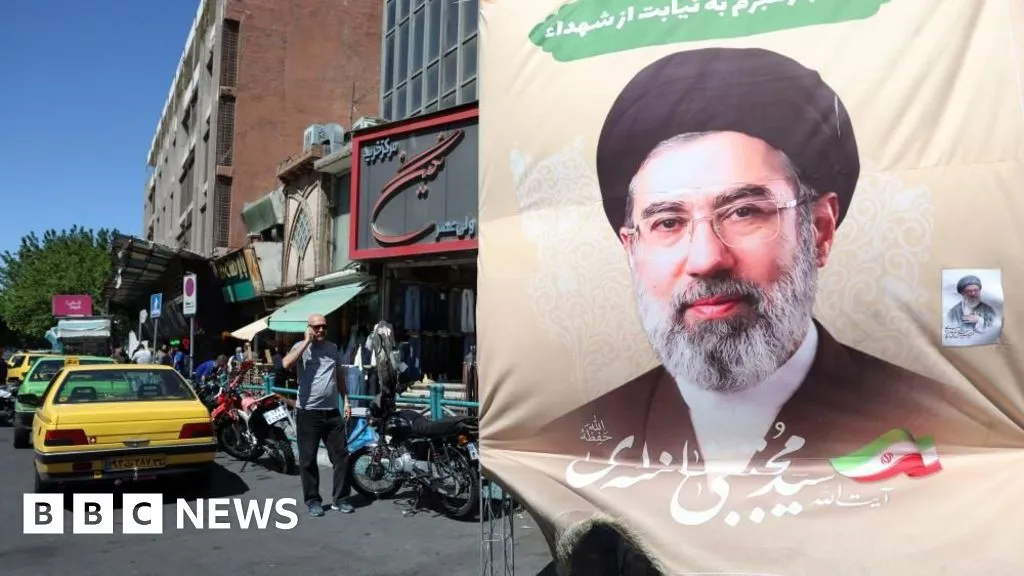
BBC News - WorldFIG 01
Reading time
1min
Word count
205words
Sources cited
1cited
Entities identified
9entities
Quality score
100%
§ 01
Briefing Summary
AI-generatedNEWSAR · AI
Decisions in Iran are not clearly centralized, with the Islamic Revolutionary Guard Corps (IRGC) appearing to hold significant operational autonomy, particularly concerning the Strait of Hormuz. While presidential candidate Pezeshkian aligns with the regime's direction, he has not pushed an independent line, and stalled diplomatic talks with the US in Islamabad highlight the system's difficulty in committing. The IRGC, led by Ahmad Vahidi, makes decisions on critical leverage points like the Strait of Hormuz, with political and diplomatic responses often following their actions. This suggests that the IRGC's operational autonomy has expanded, especially in the absence of clear political arbitration, leading to a pattern of actions preceding inconsistent messaging.
Confidence 0.90Sources 1Claims 4Entities 9
§ 02
Article analysis
Model · rule-basedFraming
Political Strategy
National Security
Tone
Measured
AI-assessed
CalmNeutralAlarmist
Factuality
0.60 / 1.00
Mixed
LowHigh
Sources cited
1
Limited
FewMany
§ 03
Key claims
4 extracted01
Ahmad Vahidi leads the IRGC.
factualnull
Confidence
1.00
02
Decisions over the closure of the Strait of Hormuz sit with the Islamic Revolutionary Guard Corps (IRGC).
factualnull
Confidence
0.90
03
Pezeshkian has aligned himself with the broader direction of the regime without visibly shaping it.
factualnull
Confidence
0.80
04
Operational autonomy of the IRGC has widened, at least temporarily, in the absence of clear political arbitration.
factualnull
Confidence
0.70
§ 04
Full report
1 min read · 205 words§ 05
Entities
9 identifiedKey playerOppositionContextPositiveNeutralNegative
§ 06
Keywords & salience
9 termsdecision-making
1.00
islamic revolutionary guard corps
0.90
irgc
0.90
iran
0.80
strait of hormuz
0.70
regime
0.60
diplomatic channels
0.50
operational autonomy
0.50
political arbitration
0.40
§ 07
Topic connections
Interactive graph Network visualization showing 51 related topics
View Full Graph Person Organization Location Event|Click node to navigate|Edge numbers = shared articles