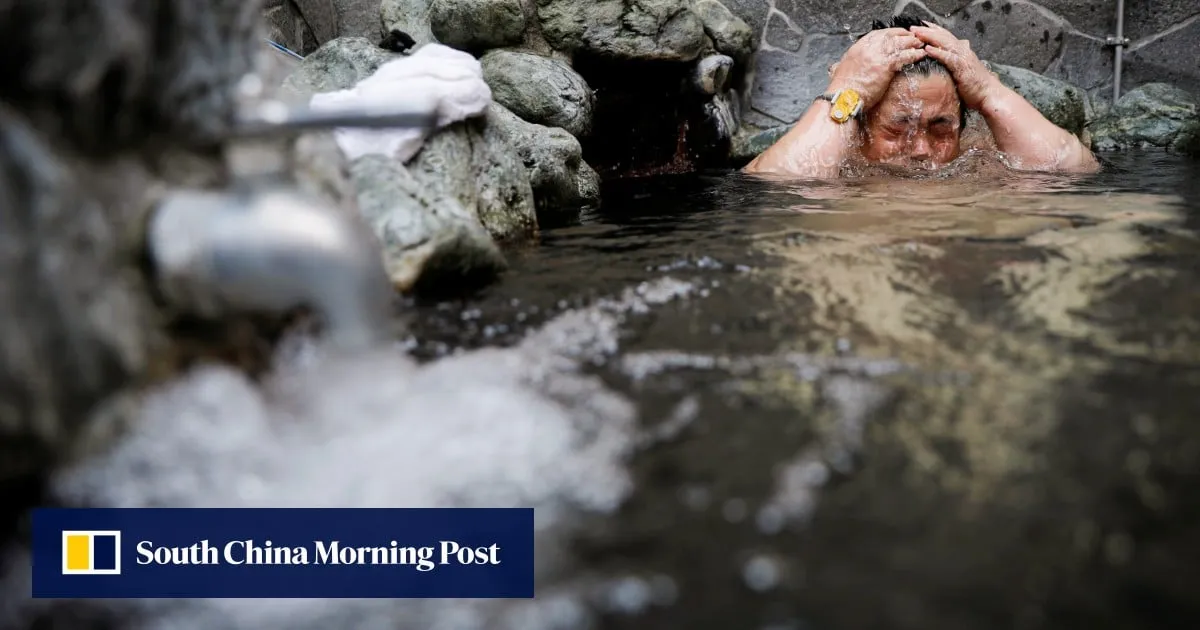
Traditional bathhouses in Japan sink under soaring energy costsA shrinking customer base and ageing owners also threaten the survival of these neighbourhood social hubs2-MIN READ2-MIN0ListenPublished: 11:28am, 25 Apr 2026Traditional public bathhouses in Japan are in deep water as soaring energy costs triggered by the Middle East oil supply disruptions threaten to extinguish the fires of a fading tradition, with some of them forced to shorten their hours or even shut their doors for good.Already struggling with a shrinking customer base and ageing owners without successors, the oil price surge is dealing a fresh blow to sento, as the communal baths are known in Japanese, with regulated pricing making it difficult to pass on rising costs to customers.On a cool day in early April, customers were hurrying towards the bath at Ikesu Onsen, a family-run sento founded in 1919 in Tsushima in central Japan’s Aichi prefecture.Select VoiceSelect Speed0.8x0.9x1.0x1.1x1.2x1.5x1.75x00:0000:001.00x
SRCSouth China Morning Post
LANGEN
LEANCenter-Right
WORDS147
ENT5
SAT · 2026-04-25 · 03:28 GMTBRIEF NSR-2026-0425-71624
NSR-2026-0425-71624News Report·EN·Economic Impact
Traditional bathhouses in Japan sink under soaring energy costs
Japanese traditional public bathhouses, known as "sento," are facing an existential crisis due to soaring energy costs, exacerbated by Middle East oil supply disruptions. These neighborhood social hubs are already grappling with a declining customer base and an aging ownership demographic lacking successors.
KyodoSouth China Morning PostFiled 2026-04-25 · 03:28 GMTLean · Center-RightRead · 1 min
South China Morning PostFIG 01
Reading time
1min
Word count
147words
Sources cited
0cited
Entities identified
5entities
Quality score
100%
§ 01
Briefing Summary
AI-generatedNEWSAR · AI
Japanese traditional public bathhouses, known as "sento," are facing an existential crisis due to soaring energy costs, exacerbated by Middle East oil supply disruptions. These neighborhood social hubs are already grappling with a declining customer base and an aging ownership demographic lacking successors. The recent surge in oil prices is a significant blow, as regulated pricing prevents bathhouses from fully passing on increased operational expenses to patrons. Consequently, some sento are being forced to reduce operating hours or cease operations entirely. The article highlights the plight of Ikesu Onsen, a bathhouse founded in 1919 in Tsushima, Aichi prefecture, as an example of this widespread challenge.
Confidence 0.85Claims 5Entities 5
§ 02
Article analysis
Model · rule-basedFraming
Economic Impact
Human Interest
Tone
Mixed Tone
AI-assessed
CalmNeutralAlarmist
Factuality
0.70 / 1.00
Factual
LowHigh
Sources cited
0
No named sources
FewMany
§ 03
Key claims
5 extracted01
Ikesu Onsen is a family-run sento founded in 1919 in Tsushima in central Japan’s Aichi prefecture.
factual
Confidence
1.00
02
A shrinking customer base and ageing owners also threaten the survival of these neighbourhood social hubs.
factual
Confidence
0.90
03
Traditional public bathhouses in Japan are in deep water as soaring energy costs threaten their survival.
factual
Confidence
0.90
04
Regulated pricing makes it difficult to pass on rising costs to customers.
factual
Confidence
0.80
05
Soaring energy costs are triggered by the Middle East oil supply disruptions.
factual
Confidence
0.80
§ 04
Full report
1 min read · 147 words§ 05
Entities
5 identifiedKey playerOppositionContextPositiveNeutralNegative
§ 06
Keywords & salience
9 termstraditional bathhouses
1.00
soaring energy costs
1.00
sentō
0.90
japan
0.80
middle east oil supply disruptions
0.70
shrinking customer base
0.60
ageing owners
0.50
regulated pricing
0.50
fading tradition
0.40
§ 07
Topic connections
Interactive graph Network visualization showing 51 related topics
View Full Graph Person Organization Location Event|Click node to navigate|Edge numbers = shared articles