The attack led to the collapse of Camara's residence and the destruction of a nearby mosque, where a number of worshippers were also killed.Fighting on Saturday had been reported in the town, a major military base outside the capital, in Gao and Kidal in the north, and the central cities of Sevare and Mopti. Reports suggest the assault by the separatists - who seek a breakaway ethnic Tuareg state in the north - was primarily focused on northern cities, while the jihadist group Jama'at Nusrat al-Islam wal-Muslimin (JNIM) had staged simultaneous attacks on multiple locations across the country.Ulf Laessing, head of the Sahel programme at the Konrad Adenauer Foundation in Mali, told the BBC the incident appeared to be the "largest co-ordinated jihadist attack on Mali for years".FLA spokesman Mohamed Elmaouloud Ramadane said Kidal had "not fallen completely" during those attacks, at the time, telling the BBC they remained in the city because "elements of the Malian army and Russian mercenaries" were still present.On Sunday, clashes between the FLA and the Malian government resumed in Kidal.Shortly after these reports, Ramadane said: "An agreement was reached between the Azawad forces and the Russian elements of the Africa Corps with a view to ensuring their secure withdrawal from the fighting."In later updates, he said they were "permanently withdrawing from Kidal" and "Kidal is now free". There has been no confirmation of these claims from Mali's military.Azawad Liberation Front via APFighting between the FLA, Malian army and Russian mercenaries continued on SundayThe group also claims to have taken control of the city, which served as an unofficial headquarters of the separatist movement for more than a decade before it was captured by Mali's army with the help of Russian mercenaries in late 2023.An FLA field commander involved in the assault on Kidal told the BBC on Saturday the group had been preparing for the offensive "for months", adding: "Our main goal now is to control Gao and then Timbuktu will be easy to fall."State broadcaster ORTM reported that 16 people, including civilians and soldiers, were injured in the attacks, which it said caused "limited damage".It also said several "terrorists" had been killed, adding that the situation is "completely under control" in all affected areas.However, its military confirmed fighting was continuing in Kidal, as well as Kati and other parts of the country.In a statement on Sunday, it said the violence would "not go unanswered".It added that a nationwide alert had been issued, with large-scale patrols stepped up and checkpoints reinforced to tighten security.Curfews have been imposed in some areas. In Bamako, there is a curfew from 21:00 to 06:00 local time (GMT), expected to end on Monday.Following Saturday's widespread orchestrated attacks, UN chief Antonio Guterres condemned the "acts of violence" as he expressed his "solidarity with the Malian people". West Africa's regional bloc, Ecowas, similarly condemned the attacks.Mali, Niger and Burkina Faso left Ecowas after military coups brought their armies to power.Mahmoud Ali Youssouf, chair of the African Union Commission, said he was following the situation with "deep concern". Captain Ibrahim Traoré, Burkina Faso's military ruler who seized power in a coup three years ago, condemned the attacks in Mali.Traoré is the president of the Alliance of Sahel States (AES), which includes Mali, Niger and Burkina Faso, all countries led by military governments that came to power following coups in recent years. In a statement released on Sunday night, Traoré described the attacks as "barbaric and inhumane" and said they were "backed by the enemies of the Sahel liberation struggle".
SRCBBC News - World
LANGEN
LEANCenter
WORDS587
ENT8
SUN · 2026-04-26 · 20:56 GMTBRIEF NSR-2026-0426-71819
NSR-2026-0426-71819News Report·EN·National Security
Mali defence minister killed as country hit by wave of rebel attacks
Mali's Defense Minister Abdoulaye Camara was killed in a wave of coordinated rebel attacks across the country, including assaults on military bases and cities like Gao, Kidal, Sevare, and Mopti. Separatist groups seeking a Tuareg state in the north, alongside the jihadist group JNIM, were reportedly involved.
BBC News - WorldFiled 2026-04-26 · 20:56 GMTLean · CenterRead · 3 min
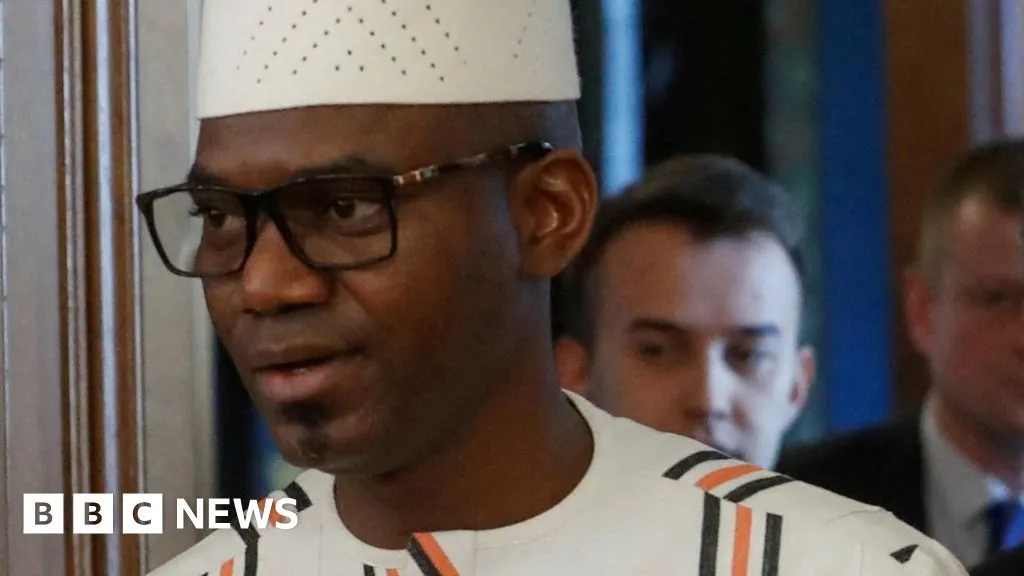
BBC News - WorldFIG 01
Reading time
3min
Word count
587words
Sources cited
7cited
Entities identified
8entities
Quality score
100%
§ 01
Briefing Summary
AI-generatedNEWSAR · AI
Mali's Defense Minister Abdoulaye Camara was killed in a wave of coordinated rebel attacks across the country, including assaults on military bases and cities like Gao, Kidal, Sevare, and Mopti. Separatist groups seeking a Tuareg state in the north, alongside the jihadist group JNIM, were reportedly involved. Fighting was particularly intense in Kidal, where the Azawad Liberation Front (FLA) claimed to have retaken control from the Malian army and Russian mercenaries. The FLA stated they reached an agreement for the secure withdrawal of Russian forces from Kidal. While the Malian government reported limited damage and control, its military confirmed ongoing clashes in Kidal and other regions. The attacks are considered the largest coordinated jihadist assault in Mali in years.
Confidence 0.90Sources 7Claims 2Entities 8
§ 02
Article analysis
Model · rule-basedFraming
National Security
Tone
Measured
AI-assessed
CalmNeutralAlarmist
Factuality
0.85 / 1.00
Factual
LowHigh
Sources cited
7
Well sourced
FewMany
§ 03
Key claims
2 extracted01
The attack led to the collapse of Camara's residence and the destruction of a nearby mosque, where a number of worshippers were also killed.
factual
Confidence
1.00
02
Reports suggest the assault by the separatists - who seek a breakaway ethnic Tuareg state in the north - was primarily focused on northern cities,
factual
Confidence
0.50
§ 04
Full report
3 min read · 587 words§ 05
Entities
8 identifiedKey playerOppositionContextPositiveNeutralNegative
People3
Organizations3
§ 06
Keywords & salience
10 termsrebel attacks
1.00
jihadist attack
0.90
separatist movement
0.80
malian army
0.70
russian mercenaries
0.70
ethnic tuareg state
0.60
kidal
0.50
africa corps
0.50
gao
0.40
jnim
0.40
§ 07
Topic connections
Interactive graph No topic relationship data available yet. This graph will appear once topic relationships have been computed.