What is Opec?Opec was formed in 1960 by five countries - Iran, Iraq, Kuwait, Saudi Arabia and Venezuela - to defend the interests of major oil exporters by coordinating production to ensure steady revenue for its members.The number of countries in the cartel has fluctuated over the years. In addition to the five founding members it also includes Algeria, Equatorial Guinea, Gabon, Libya, Nigeria and the Republic of the Congo.The UAE joined in 1967, and its departure will leave the cartel with 11 members. There are an additional 10 non-Opec members in the wider Opec+ alliance, including Russia.The UAE's decision came as the World Bank warned the war in the Middle East has caused the biggest loss of oil supply on record. Energy prices will rise by about a quarter on average as a result this year, it said, while it could take six months for shipping through the key Strait of Hormuz to return to pre-war levels. "The poorest people, who spend the highest share of their income on food and fuels, will be hit the hardest," said the World Bank's chief economist Indermit Gill.The UAE's decision to leave Opec will not have an immediate impact on global energy supply, due to the ongoing closure of the Strait of Hormuz, but could lead to a longer-term boost in output.The country has invested heavily in boosting its production capacity and has wanted for a long time to pump more oil, economists said.David Oxley, chief climate and commodities economist at Capital Economics, said its departure could lead to lower oil prices but higher volatility on the market in the coming decades. He added that while the UAE is small, the implications could be major if other member states leave, or countries such as Russia and Saudi Arabia decide to ramp up production as a result.According to the latest figures from Opec, the UAE produced 2.9 million barrels of oil a day in 2024. Saudi Arabia, Opec's de facto leader, produced nine million barrels per day.Experts suggested the UAE could boost oil production by around one million barrels per day outside of Opec. Professor David Elmes of Warwick Business School said the UAE has one of the lowest "break-even prices" for oil it extracts, nearly half that of Saudi Arabia, meaning it can still turn a profit on oil it sells even when prices are lower. "So the UAE wants to sell more and is less concerned with keeping prices high. Now they can do that," he said.
SRCBBC News - World
LANGEN
LeanCenter
WORDS416
TUE · 2026-04-28 · 13:47 GMTBRIEF NSR-2026-0428-72259
NSR-2026-0428-72259News Report·EN·Economic Impact
United Arab Emirates to quit oil cartel Opec
The United Arab Emirates (UAE) will withdraw from the Organization of the Petroleum Exporting Countries (Opec), a cartel formed in 1960 to coordinate oil production and ensure revenue for member states. The UAE, a member since 1967, will leave the 11-member organization.
BBC News - WorldFiled 2026-04-28 · 13:47 GMTLean · CenterRead · 2 min
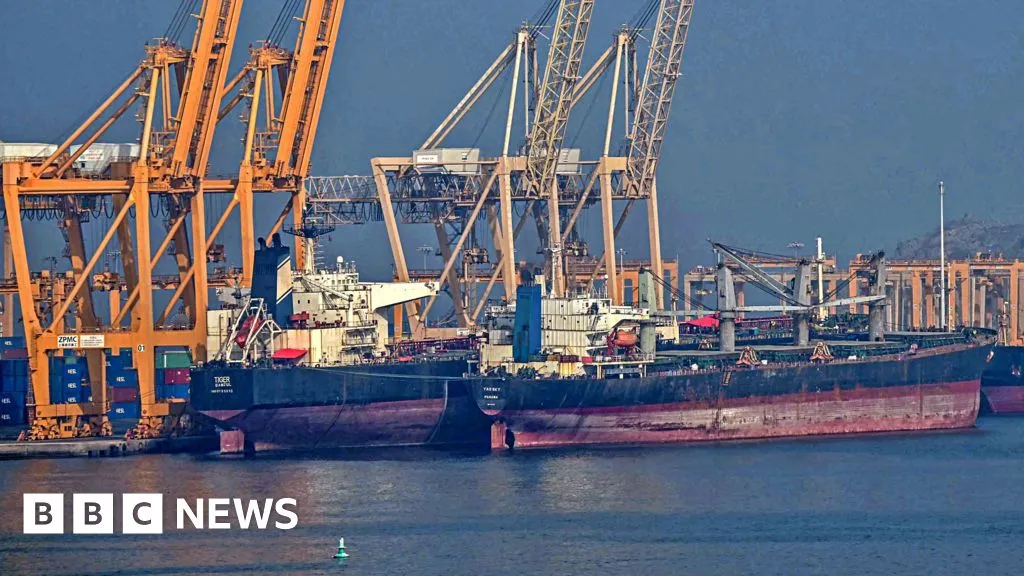
BBC News - WorldFIG 01
Reading time
2min
Word count
416words
Sources cited
3cited
Entities identified
0entities
NEWSAR · AI
The United Arab Emirates (UAE) will withdraw from the Organization of the Petroleum Exporting Countries (Opec), a cartel formed in 1960 to coordinate oil production and ensure revenue for member states. The UAE, a member since 1967, will leave the 11-member organization. This decision comes as the World Bank warns of significant oil supply losses and rising energy prices due to the Middle East war. While the UAE's departure may not immediately affect global supply due to current shipping disruptions, it could lead to increased oil output in the long term. Economists suggest the UAE, with its low production costs, aims to boost its output and may be less concerned with maintaining high oil prices.
Confidence 0.90Sources 3Claims 5
Framing
Economic Impact
Diplomatic
Tone
Measured
AI-assessed
CalmNeutralAlarmist
Factuality
0.85 / 1.00
Factual
LowHigh
Sources cited
3
Well sourced
FewMany
01
The UAE's departure from Opec will leave the cartel with 11 members.
factual
Confidence
1.00
02
The UAE produced 2.9 million barrels of oil a day in 2024 according to the latest figures from Opec.
statisticOpec
Confidence
1.00
03
The UAE has one of the lowest break-even prices for oil it extracts, nearly half that of Saudi Arabia.
factualProfessor David Elmes
Confidence
0.90
04
Energy prices will rise by about a quarter on average this year as a result of the war in the Middle East.
predictionWorld Bank
Confidence
0.80
05
The UAE could boost oil production by around one million barrels per day outside of Opec.
predictionExperts
Confidence
0.70
§ 04
Full report
2 min read · 416 wordsunited arab emirates
1.00
opec
1.00
oil cartel
0.90
oil exporters
0.80
oil supply
0.70
oil production
0.60
energy prices
0.60
break-even prices
0.50
strait of hormuz
0.50
opec+
0.40