The Gulf state is the latest to quit the group, which was created to form a united front on oil pricing.The United Arab Emirates has announced its withdrawal from OPEC and the wider OPEC+ framework, removing a core pillar of one of the most influential groups in the energy world.The Gulf country, with a capacity of approximately 4.8 million barrels per day and significant room to increase output, announced on Tuesday that it would quit the organisation to focus on “national interests”.Recommended Stories list of 3 itemslist 1 of 3UAE leaves OPEC in blow to oil cartel during war on Iranlist 2 of 3What’s in Iran’s latest proposal – and how has the US responded?list 3 of 3The cost of 76 years of US wars, from Korea to Iranend of listThe move comes as the US-Israel war on Iran has sparked an historic energy shock.Here’s a look the at the organisation’s history and role in the global economy:When was OPEC established and why?The Organization of the Petroleum Exporting Countries (OPEC) is a permanent, intergovernmental organisation based in Vienna, Austria, that has the objective of coordinating and unifying petroleum policies among member states.It was originally created at the Baghdad Conference in September 1960 by five oil-producing founding states, Iran, Iraq, Kuwait, Saudi Arabia and Venezuela.At that time, global oil markets were dominated by a group of powerful Western oil companies, known as the “Seven Sisters,” which controlled production and set prices.The broader aim of the founding countries was to assert sovereignty over their natural resources and secure fair and stable prices for petroleum producers, as well as regular supplies to consuming nations.OPEC currently has 12 members, including, aside from the UAE: Algeria, Republic of the Congo, Equatorial Guinea, Gabon, Iran, Iraq, Kuwait, Libya, Nigeria, Saudi Arabia, and Venezuela.
SRCAl Jazeera
LANGEN
OutletState media · Qatar
WORDS297
TUE · 2026-04-28 · 18:05 GMTBRIEF NSR-2026-0428-72317
NSR-2026-0428-72317News Report·EN·Diplomatic
What are OPEC and OPEC +, and why has the UAE quit?
The United Arab Emirates (UAE) has announced its withdrawal from OPEC and the wider OPEC+ framework, a significant move for the influential energy group. OPEC, established in 1960 by five founding states including Iran, Iraq, Kuwait, Saudi Arabia, and Venezuela, aims to coordinate petroleum policies among its 12 member states to ensure fair and stable oil prices.
Al Jazeera StaffAl JazeeraFiled 2026-04-28 · 18:05 GMTOutlet · State media · QatarRead · 2 min
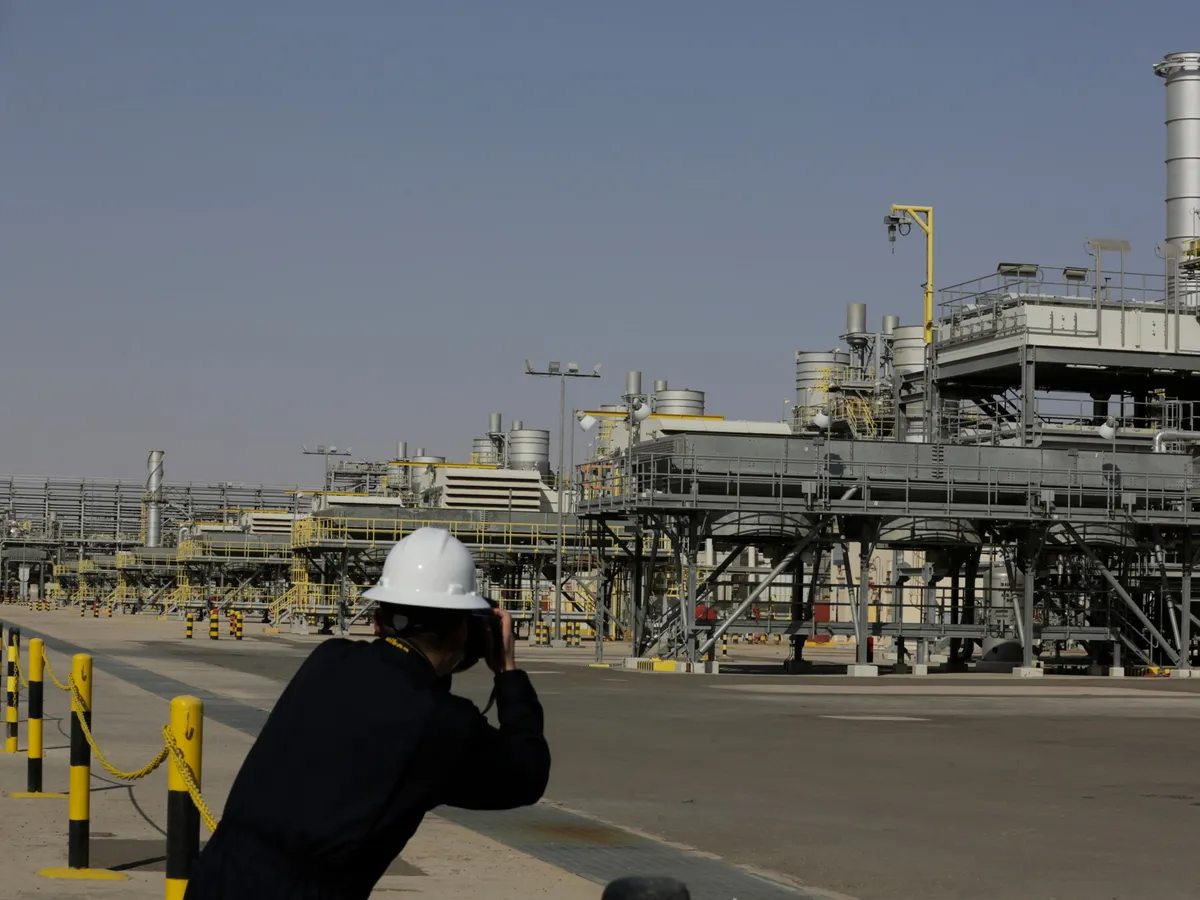
Al JazeeraFIG 01
Reading time
2min
Word count
297words
Sources cited
0cited
Entities identified
0entities
NEWSAR · AI
The United Arab Emirates (UAE) has announced its withdrawal from OPEC and the wider OPEC+ framework, a significant move for the influential energy group. OPEC, established in 1960 by five founding states including Iran, Iraq, Kuwait, Saudi Arabia, and Venezuela, aims to coordinate petroleum policies among its 12 member states to ensure fair and stable oil prices. The UAE, a major oil producer with significant capacity to increase output, stated its decision to quit was to focus on "national interests." This departure occurs amidst an historic energy shock reportedly linked to the US-Israel war on Iran. The UAE's withdrawal removes a core pillar of the organization, which was originally formed to counter the dominance of Western oil companies and assert sovereignty over natural resources.
Confidence 0.90Claims 5
Framing
Diplomatic
Economic Impact
Tone
Sensational
AI-assessed
CalmNeutralAlarmist
Factuality
0.50 / 1.00
Mixed
LowHigh
Sources cited
0
No named sources
FewMany
01
The UAE is quitting the organization to focus on national interests.
quoteUnited Arab Emirates
Confidence
1.00
02
OPEC was originally created at the Baghdad Conference in September 1960 by five oil-producing founding states.
factual
Confidence
1.00
03
A US-Israel war on Iran has sparked an historic energy shock.
factual
Confidence
1.00
04
The United Arab Emirates has announced its withdrawal from OPEC and the wider OPEC+ framework.
factual
Confidence
1.00
05
The UAE has an oil production capacity of approximately 4.8 million barrels per day.
statistic
Confidence
0.90
§ 04
Full report
2 min read · 297 wordsopec+
1.00
united arab emirates
1.00
opec
1.00
oil pricing
0.90
energy world
0.80
oil production
0.70
national interests
0.60
energy shock
0.50
petroleum policies
0.50
global economy
0.40