Even if the immediate phase of conflict subsides, the Gulf is unlikely to return to the status quo. For Asia, the central question is no longer simply whether the Strait of Hormuz is open. It is whether the waterway remains reliable, predictable and politically insulated from coercion.That distinction now matters more than ever. For China and other major Asian importers, it is a question of whether energy flows, shipping routes and sanctions exposure are increasingly being shaped by a crisis they do not control.The current status of the Strait of Hormuz is best understood as an open-ended holding arrangement: contested in substance and vulnerable to change. The interruption of another planned round of Iran-diplomacy" class="entity-link entity-event" data-entity-id="121005" data-entity-type="event">US-Iran Diplomacy only reinforces the point. Negotiations have not stopped, but they are moving in fits and starts, shaped by pressure, distrust and shifting calculations rather than by a clear route towards a settlement.
SRCSouth China Morning Post
LANGEN
LEANCenter-Right
WORDS147
ENT7
WED · 2026-04-29 · 12:30 GMTBRIEF NSR-2026-0429-72444
NSR-2026-0429-72444Analysis·EN·Economic Impact
Why an era of managed Hormuz disruption wouldn’t bode well for Asia
The Strait of Hormuz, a critical waterway for Asian energy imports, is facing an era of managed disruption rather than a return to its previous status quo. For China and other major Asian importers, the concern is no longer just whether the strait is open, but whether its reliability, predictability, and political insulation from coercion can be maintained.
Marco VicenzinoSouth China Morning PostFiled 2026-04-29 · 12:30 GMTLean · Center-RightRead · 1 min
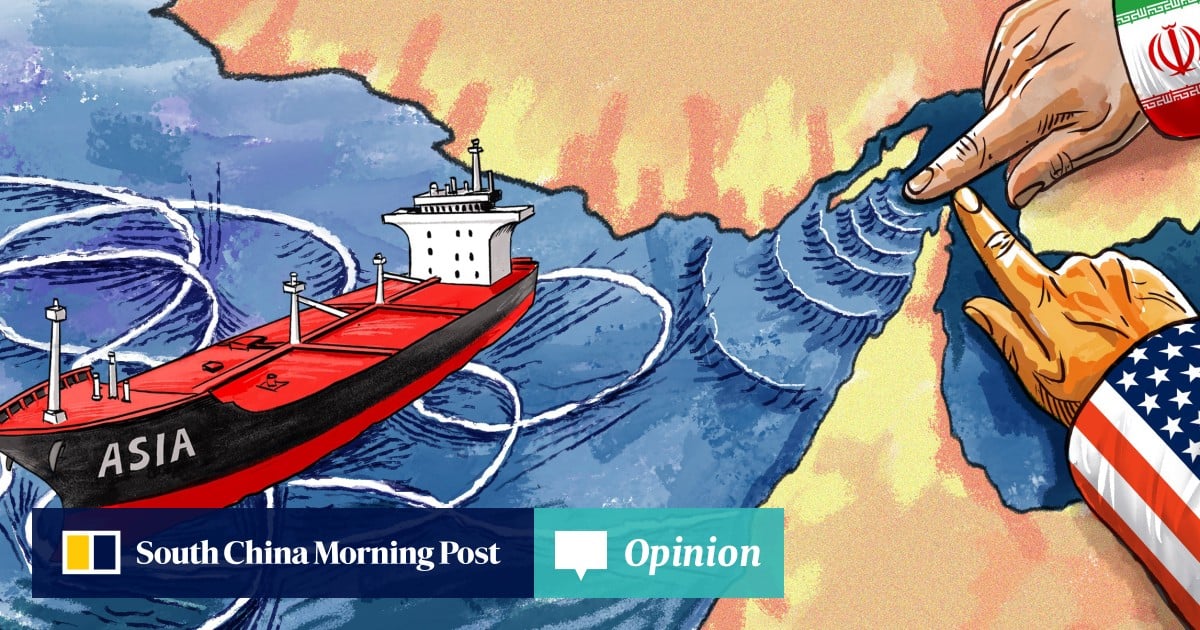
South China Morning PostFIG 01
Reading time
1min
Word count
147words
Sources cited
0cited
Entities identified
7entities
Quality score
100%
§ 01
Briefing Summary
AI-generatedNEWSAR · AI
The Strait of Hormuz, a critical waterway for Asian energy imports, is facing an era of managed disruption rather than a return to its previous status quo. For China and other major Asian importers, the concern is no longer just whether the strait is open, but whether its reliability, predictability, and political insulation from coercion can be maintained. The current situation is described as an open-ended holding arrangement, contested and vulnerable to change, particularly with ongoing, albeit fitful, US-Iran diplomatic efforts. This instability means energy flows, shipping routes, and sanctions exposure for Asia are increasingly shaped by a crisis beyond their control.
Confidence 0.85Claims 4Entities 7
§ 02
Article analysis
Model · rule-basedFraming
Economic Impact
Diplomatic
Tone
Measured
AI-assessed
CalmNeutralAlarmist
Factuality
0.40 / 1.00
Mixed
LowHigh
Sources cited
0
No named sources
FewMany
§ 03
Key claims
4 extracted01
A planned round of US-Iran diplomacy has been interrupted, with negotiations moving in fits and starts.
factual
Confidence
0.90
02
For China and other major Asian importers, energy flows and shipping routes are increasingly shaped by crises they do not control.
factual
Confidence
0.85
03
The current status of the Strait of Hormuz is an open-ended holding arrangement that is contested and vulnerable to change.
factual
Confidence
0.75
04
The Gulf is unlikely to return to the status quo even if the immediate phase of conflict subsides.
prediction
Confidence
0.70
§ 04
Full report
1 min read · 147 words§ 05
Entities
7 identified§ 06
Keywords & salience
9 termsstrait of hormuz
1.00
asia
0.90
energy flows
0.80
shipping routes
0.70
sanctions exposure
0.70
us-iran diplomacy
0.60
geopolitical instability
0.50
coercion
0.50
crisis
0.40
§ 07
Topic connections
Interactive graph Network visualization showing 51 related topics
View Full Graph Person Organization Location Event|Click node to navigate|Edge numbers = shared articles