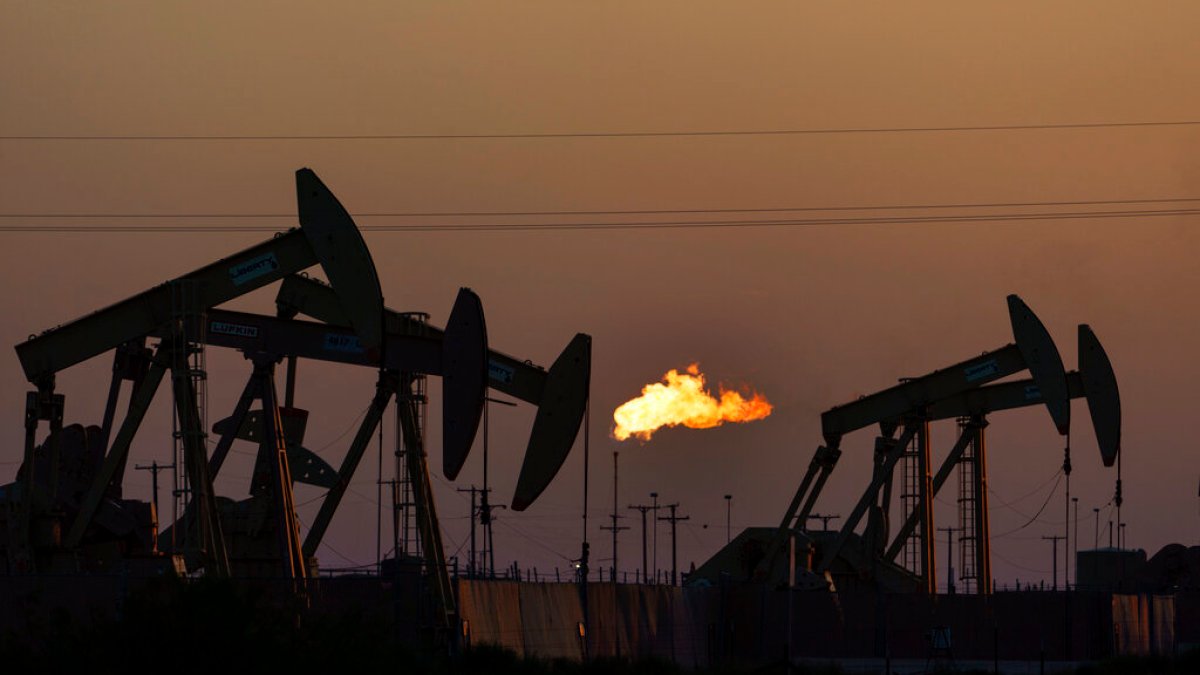
Dealing with emissions could help alleviate effects of Iran crisis on global energy supply, says report.Tackling methane emissions in the fossil fuel sector would help efforts to hold back climate change and increase energy security, especially as the Iran crisis threatens global supplies, according to a report by the International Energy Agency (IEA).The oil, gas and coal industries account for about 35 percent of all methane emissions from human activity, notes the IEA’s Global Methane Tracker 2026, released on Monday. However, there is little progress in reducing them, the report points out.Recommended Stories list of 4 itemslist 1 of 4OPEC+ announces symbolic oil output rise during Strait of Hormuz closurelist 2 of 4Mexico’s oil industry faces new pressures from Venezuela oil under USlist 3 of 4What is LNG and what is it used for?list 4 of 4Gas, power and AI’s role in the new age of energy additionend of list“There is still no sign that methane emissions from fossil fuel operations are falling, despite well-known and proven mitigation pathways,” the IEA said.Methane, the second-biggest contributor to climate change, stays in the atmosphere for far less time than carbon dioxide, but its warming effect is roughly 80 times more potent over a 20-year period.The IEA estimates that methane emissions from oil, gas and coal total 124 million tonnes a year. Oil is the largest source at 45 million tonnes (Mt), followed by coal at 43 Mt, and natural gas at 36 Mt.“A further 20 Mt comes from bioenergy production and consumption, largely from the incomplete combustion of traditional biomass used for cooking and heating in developing economies,” the report added.Oil prices have soared since the United States and Israel launched their war against Iran in late February and Tehran closed the Strait of Hormuz in response. An April ceasefire between the sides is currently holding, but global energy supplies remain limited.
SRCAl Jazeera
LANGEN
LEANCenter
WORDS310
ENT8
MON · 2026-05-04 · 18:34 GMTBRIEF NSR-2026-0504-73699
NSR-2026-0504-73699News Report·EN·Environmental
Tackling methane emissions key for climate change and energy security: IEA
A new report from the International Energy Agency (IEA) highlights that tackling methane emissions from the fossil fuel sector is crucial for both climate change mitigation and enhancing global energy security. The IEA's Global Methane Tracker 2026 reveals that the oil, gas, and coal industries are responsible for approximately 35% of human-caused methane emissions, yet progress in reducing these emissions is minimal.
By News AgenciesAl JazeeraFiled 2026-05-04 · 18:34 GMTLean · CenterRead · 2 min
Al JazeeraFIG 01
Reading time
2min
Word count
310words
Sources cited
1cited
Entities identified
8entities
Quality score
100%
§ 01
Briefing Summary
AI-generatedNEWSAR · AI
A new report from the International Energy Agency (IEA) highlights that tackling methane emissions from the fossil fuel sector is crucial for both climate change mitigation and enhancing global energy security. The IEA's Global Methane Tracker 2026 reveals that the oil, gas, and coal industries are responsible for approximately 35% of human-caused methane emissions, yet progress in reducing these emissions is minimal. Methane, a potent greenhouse gas, has a warming effect 80 times greater than carbon dioxide over 20 years. The report estimates annual methane emissions from fossil fuels at 124 million tonnes, with oil being the largest contributor. This issue is particularly relevant given current global energy supply concerns, exacerbated by the Iran crisis and its impact on oil prices and the Strait of Hormuz.
Confidence 0.90Sources 1Claims 5Entities 8
§ 02
Article analysis
Model · rule-basedFraming
Environmental
Economic Impact
Tone
Measured
AI-assessed
CalmNeutralAlarmist
Factuality
0.80 / 1.00
Factual
LowHigh
Sources cited
1
Limited
FewMany
§ 03
Key claims
5 extracted01
Methane emissions from oil, gas and coal total 124 million tonnes a year, with oil being the largest source.
statisticIEA
Confidence
0.95
02
Methane is the second-biggest contributor to climate change and its warming effect is roughly 80 times more potent than CO2 over 20 years.
factualIEA
Confidence
0.95
03
The oil, gas and coal industries account for about 35 percent of all methane emissions from human activity.
statisticIEA’s Global Methane Tracker 2026
Confidence
0.95
04
There is little progress in reducing methane emissions from fossil fuel operations.
factualIEA
Confidence
0.90
05
Tackling methane emissions in the fossil fuel sector would help hold back climate change and increase energy security.
factualInternational Energy Agency (IEA)
Confidence
0.90
§ 04
Full report
2 min read · 310 words§ 05
Entities
8 identifiedKey playerOppositionContextPositiveNeutralNegative
Organizations2
§ 06
Keywords & salience
8 termsmethane emissions
1.00
climate change
0.90
energy security
0.80
iea
0.70
fossil fuel sector
0.70
iran crisis
0.60
global energy supply
0.50
warming effect
0.40
§ 07
Topic connections
Interactive graph Network visualization showing 25 related topics
View Full Graph Person Organization Location Event|Click node to navigate|Edge numbers = shared articles