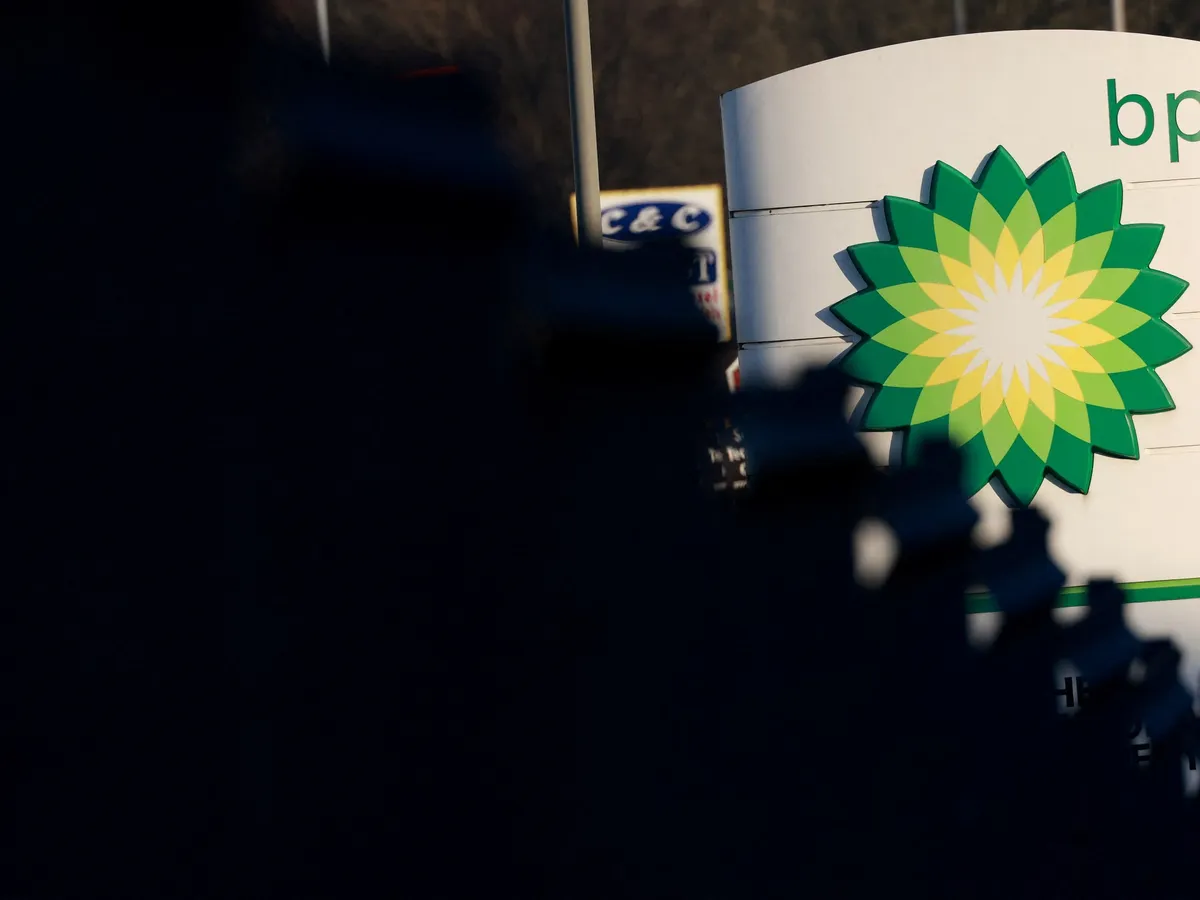
The Iran war is triggering a major economic crisis that is boosting energy profits. Taxing those can help countries survive and become immune to energy shocks.Published On 5 May 2026Signage is seen outside a BP (British Petroleum) petrol station in Liverpool, Britain, February 7, 2023 [Phil Noble/Reuters]The last fossil fuel crisis caused incredible amounts of pain for the people of Europe. In 2022, after Russia invaded Ukraine, gas prices skyrocketed, resulting in the costs of energy rising to cripplingly high levels. Every European Union citizen overpaying for their fossil gas and power sent 150 euros ($175) to the United States per year, according to a recent report by the Centre for Research on Energy and Clean Air (CREA).That pain meant unprecedented profits for fossil fuel companies. In 2023, the world’s oil and gas industry earned a whopping $2.7 trillion, and invested just 4 percent of its capital expenditure in clean energy.These crises are moments of extreme injustice. Not only are people paying a price for fossil fuel use through the immediate climate impacts, but they are now suffering through increasingly frequent price crises where meals are skipped, jobs are lost, and lights are turned off. This public dip in conditions and cost of living runs parallel to an upwards swing for fossil fuel companies’ blood profits.The least governments can do at this moment is impose a windfall tax on energy companies and use the proceeds to cushion the blow to households and fund an energy transition.As was the case in 2022, the resurgence of fossil fuel company mega-profits we are seeing now has come about as the direct consequence of bloody conflict. In late February, the US and Israel attacked Iran. The conflict soon spread across the region. By now, more than 3,000 Iranians have been killed, including more than 150 schoolgirls and teachers at a school that was hit. More than 2,000 Lebanese people have also been killed, as well as 23 Israelis and dozens of people across the Gulf region.The closure of the Strait of Hormuz is triggering a global upwards shift in oil and gas prices. Recently released reports for the first quarter of the year, which includes the first month of the war, already show windfall profits for energy companies.Last week, BP announced “stronger than expected” earnings of $3.2bn, far higher than the projected $2.63bn. Shares in the company rose 2.5 percent on the morning of the announcement. TotalEnergies also reported a 29 percent jump in first-quarter earnings to $5.4bn. ExxonMobil’s Q1 earnings were lower, but that is because some profits from sales in March will be reflected in the report for the second quarter of the year.With analysts projecting a spike in oil prices even if the Strait of Hormuz is opened soon, these windfall profits are set to continue. A recent analysis from Oxfam International found that fossil fuel companies are projected to earn $3,000 a second in 2026.This is the natural consequence of a global energy system dependent on the extraction and transport of a critical fuel through narrow, vulnerable chokepoints. But it is also very much an outcome of greed and the profit motive.Fossil fuel companies have acted over the decades to ensure that humanity remains trapped in this system. This goes back to the efforts to deny climate change and attack alternatives as far back as the 1980s. It also relates to efforts to manufacture demand for their products by lobbying governments and pushing for investment in industries that are heavily dependent on fossil fuels.As energy think tank Ember recently explored, previous fossil fuel crises have ultimately failed to decouple the world from this fundamentally vulnerable and unreliable system. But this time, wind, solar, energy storage and electric vehicles are significantly cheaper, even compared to 2022’s fossil fuel crisis.Ember correctly highlights that there is no default destiny here, and that “the temptation will be to reach for the familiar playbook – more drilling, more subsidies, more supply diversification”. But temptation can be resisted.Short-term sugar hits from cutting fossil fuel taxes only end up transferring even more money from ordinary people to the powerful, and those knee-jerk policy responses should be replaced with targeted relief for those who need it most.Fossil fuel companies should, at the absolute bare minimum, be hit with windfall taxes, and that money should be shared with the most vulnerable in the form of social support for impoverished households. They should also be channelled to countries hit hardest by climate change. Such support would essentially act as reparations paid by high-level polluters for those suffering irreversible damage.Windfall tax revenues should also be used to fund the transition away from fossil fuels in order to make countries more immune to energy shocks. Governments should introduce bold and urgent oil demand elimination programmes focused on public and active transport, and the incentivisation of small cars. New policies that help the most vulnerable citizens, such as Australia’s daytime cheap solar power scheme, should be urgently implemented.We cannot survive in this system. Hooking humanity on a fuel that becomes more profitable for companies when there is more bloodshed and conflict is a guaranteed recipe for more suffering in every way imaginable.The views expressed in this article are the author’s own and do not necessarily reflect Al Jazeera’s editorial stance.
SRCAl Jazeera
LANGEN
LEANCenter
WORDS877
ENT12
TUE · 2026-05-05 · 04:17 GMTBRIEF NSR-2026-0505-73770
NSR-2026-0505-73770Opinion·EN·Social Justice
States should tax windfall oil profits to fund their way out of crisis
The ongoing conflict in Iran, which began in late February 2026, has triggered a global economic crisis and a significant increase in energy profits for fossil fuel companies. This situation mirrors the 2022 crisis following Russia's invasion of Ukraine, where soaring gas prices led to substantial profits for oil and gas firms, estimated at $2.7 trillion in 2023.
Ketan JoshiAl JazeeraFiled 2026-05-05 · 04:17 GMTLean · CenterRead · 4 min
Al JazeeraFIG 01
Reading time
4min
Word count
877words
Sources cited
3cited
Entities identified
12entities
Quality score
100%
§ 01
Briefing Summary
AI-generatedNEWSAR · AI
The ongoing conflict in Iran, which began in late February 2026, has triggered a global economic crisis and a significant increase in energy profits for fossil fuel companies. This situation mirrors the 2022 crisis following Russia's invasion of Ukraine, where soaring gas prices led to substantial profits for oil and gas firms, estimated at $2.7 trillion in 2023. The current conflict has caused the closure of the Strait of Hormuz, driving up oil and gas prices and resulting in "windfall profits" for companies like BP, which reported earnings of $3.2 billion for the first quarter of 2026. The article suggests that governments should implement windfall taxes on these energy companies to mitigate the economic impact on households and fund a transition to cleaner energy sources.
Confidence 0.90Sources 3Claims 5Entities 12
§ 02
Article analysis
Model · rule-basedFraming
Social Justice
Conflict
Tone
Sensational
AI-assessed
CalmNeutralAlarmist
Factuality
0.40 / 1.00
Mixed
LowHigh
Sources cited
3
Well sourced
FewMany
§ 03
Key claims
5 extracted01
TotalEnergies reported a 29 percent jump in first-quarter earnings to $5.4bn.
statisticTotalEnergies
Confidence
0.95
02
BP announced earnings of $3.2bn, higher than the projected $2.63bn.
statisticBP
Confidence
0.95
03
In 2023, the world’s oil and gas industry earned $2.7 trillion.
statisticCentre for Research on Energy and Clean Air (CREA)
Confidence
0.90
04
The Iran war is triggering a major economic crisis that is boosting energy profits.
factual
Confidence
0.80
05
Fossil fuel companies are projected to earn $3,000 a second in 2026.
predictionOxfam International
Confidence
0.70
§ 04
Full report
4 min read · 877 words§ 05
Entities
12 identifiedKey playerOppositionContextPositiveNeutralNegative
Organizations4
§ 06
Keywords & salience
10 termsenergy profits
1.00
windfall tax
1.00
economic crisis
0.90
iran war
0.80
energy shocks
0.70
fossil fuel companies
0.70
energy transition
0.60
cost of living
0.50
strait of hormuz
0.40
bp
0.40
§ 07
Topic connections
Interactive graph Network visualization showing 51 related topics
View Full Graph Person Organization Location Event|Click node to navigate|Edge numbers = shared articles