Wenran Jiang, the founding director of the China-institute" class="entity-link entity-organization" data-entity-id="122821" data-entity-type="organization">China Institute and Mactaggart Research Chair Emeritus at the University of Alberta, is an adviser at the Institute for Peace and Diplomacy.Global attention is fixated on Japan’s strategic shift under Prime Minister Sanae Takaichi. From the strengthened US-Japan alliance to the tense stand-off with China, from advocating for constitutional reinterpretation to allowing weapons exports and deploying counterstrike capabilities – these moves have been dissected in capitals worldwide.But the real, and more decisive, story is unfolding on Japan’s home front. The domestic dynamic driving this change is often a footnote, yet it is the engine. Understanding it is crucial, especially for Beijing, as it navigates an East Asia with a declining US hegemon and a rapidly remilitarising Japan.On the surface, a contradiction exists. Pacifist and liberal opposition remains. Article 9 of the constitution retains deep emotional resonance. Protest voices persist. Yet Takaichi’s approval ratings are strong. This is the result of a long, deliberate project.
SRCSouth China Morning Post
LANGEN
LEANCenter-Right
WORDS161
ENT10
WED · 2026-05-06 · 01:30 GMTBRIEF NSR-2026-0506-74015
NSR-2026-0506-74015Analysis·EN·Political Strategy
The domestic dynamics driving Japan’s remilitarisation
Japan is undergoing a significant remilitarization driven by domestic factors, despite lingering pacifist sentiment and constitutional opposition. Prime Minister Sanae Takaichi's government is strengthening the US-Japan alliance, allowing weapons exports, and developing counterstrike capabilities, moves observed globally.
Wenran JiangSouth China Morning PostFiled 2026-05-06 · 01:30 GMTLean · Center-RightRead · 1 min
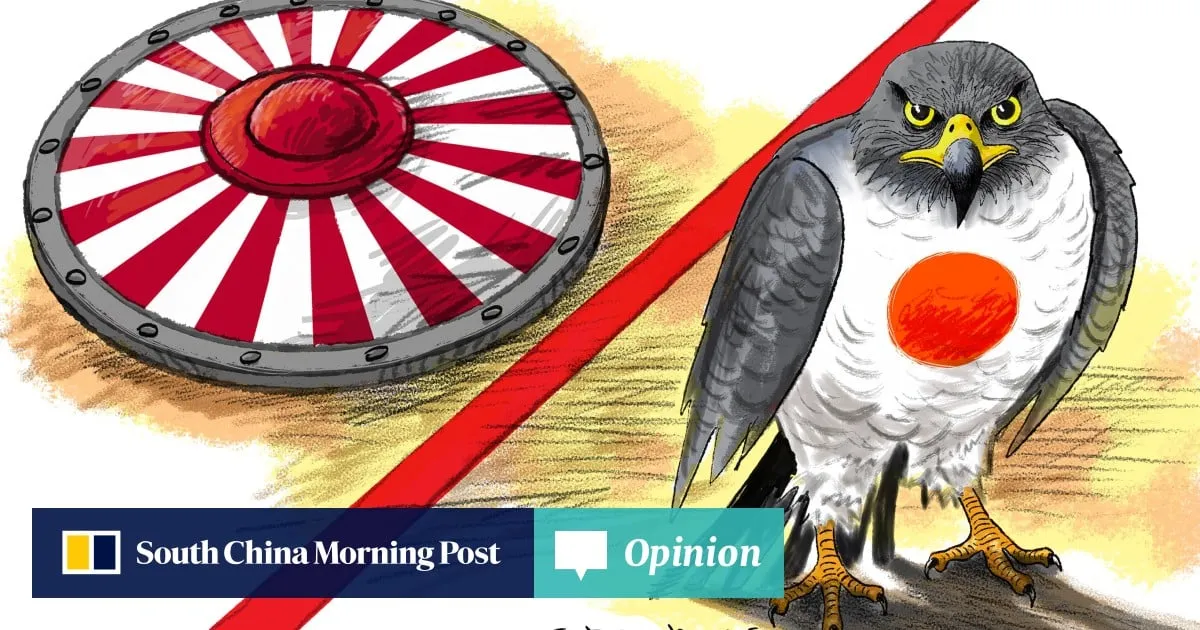
South China Morning PostFIG 01
Reading time
1min
Word count
161words
Sources cited
1cited
Entities identified
10entities
Quality score
100%
§ 01
Briefing Summary
AI-generatedNEWSAR · AI
Japan is undergoing a significant remilitarization driven by domestic factors, despite lingering pacifist sentiment and constitutional opposition. Prime Minister Sanae Takaichi's government is strengthening the US-Japan alliance, allowing weapons exports, and developing counterstrike capabilities, moves observed globally. While public opposition to Article 9 of the constitution persists, Takaichi's strong approval ratings indicate a successful, long-term domestic project is fueling these strategic shifts. This internal dynamic is crucial for understanding Japan's evolving role in East Asia, particularly for China.
Confidence 0.90Sources 1Claims 4Entities 10
§ 02
Article analysis
Model · rule-basedFraming
Political Strategy
National Security
Tone
Measured
AI-assessed
CalmNeutralAlarmist
Factuality
0.40 / 1.00
Mixed
LowHigh
Sources cited
1
Limited
FewMany
§ 03
Key claims
4 extracted01
Japan is undergoing a strategic shift under Prime Minister Sanae Takaichi, involving alliance strengthening, constitutional reinterpretation, weapons exports, and counterstrike capabilities.
factual
Confidence
0.90
02
Despite pacifist opposition and Article 9's resonance, Prime Minister Takaichi's approval ratings are strong.
factual
Confidence
0.85
03
Domestic dynamics are the primary and more decisive drivers of Japan's remilitarisation.
factual
Confidence
0.80
04
Beijing needs to understand Japan's domestic dynamics to navigate an East Asia with a declining US hegemon and a rapidly remilitarising Japan.
prediction
Confidence
0.70
§ 04
Full report
1 min read · 161 words§ 05
Entities
10 identifiedKey playerOppositionContextPositiveNeutralNegative
Organizations3
§ 06
Keywords & salience
9 termsjapan remilitarisation
1.00
domestic dynamics
0.90
us-japan alliance
0.70
constitutional reinterpretation
0.70
counterstrike capabilities
0.60
sanae takaichi
0.50
article 9
0.50
china
0.40
weapons exports
0.40
§ 07
Topic connections
Interactive graph Network visualization showing 51 related topics
View Full Graph Person Organization Location Event|Click node to navigate|Edge numbers = shared articles