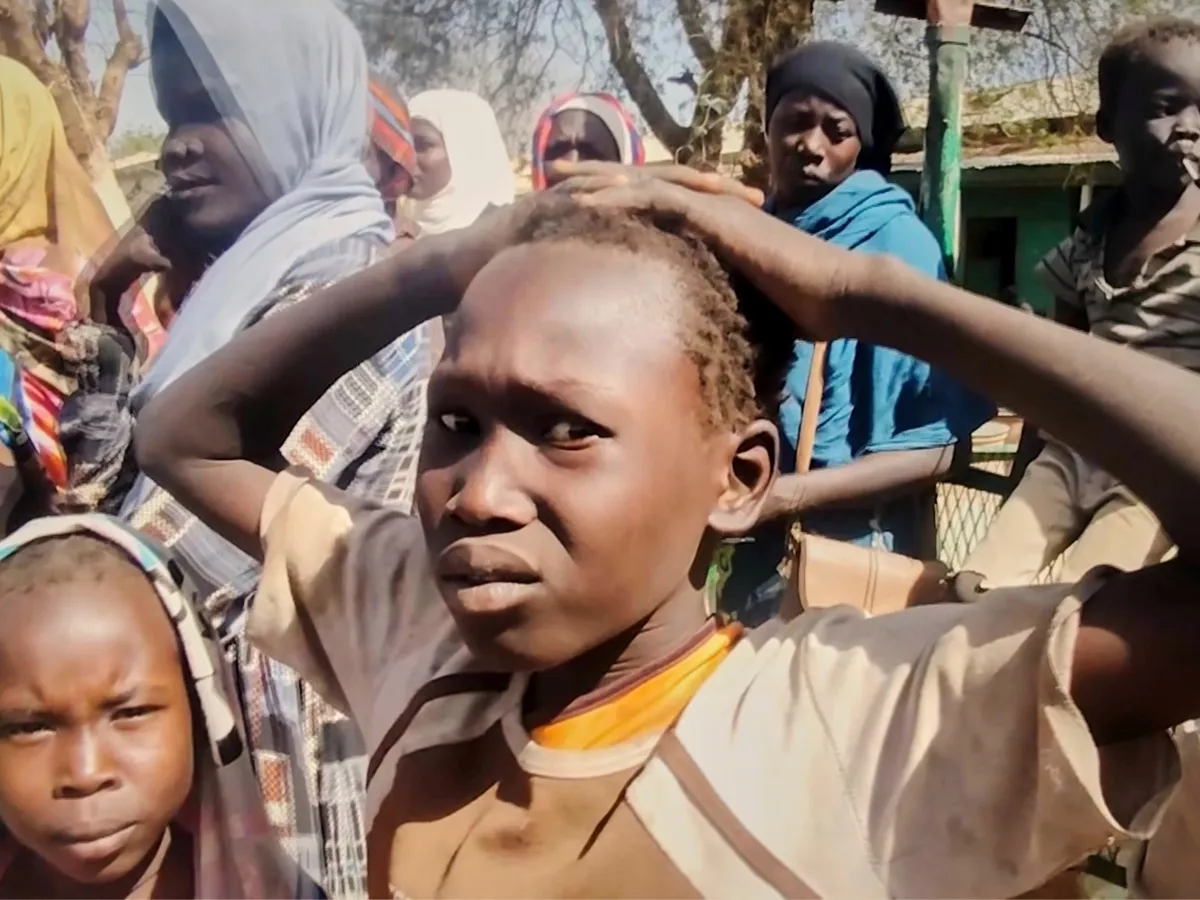
Sudan’s war has triggered one of the world’s worst humanitarian crises, with fears a protracted war could worsen it19 million school-aged children have had their education disrupted [AP]Published On 8 May 2026Rhetoric surrounding Sudan’s ongoing war has escalated with Rapid Support Forces (RSF) commander Mohamed Hamdan Dagalo, known as “Hemedti,” recently announcing that his soldiers were prepared to keep fighting “until 2040 if necessary.”His remarks came days after his rival and Sudan’s army chief and Transitional Sovereign Council head, Abdel Fattah al-Burhan, vowed to keep fighting until Sudan was “cleansed” of the RSF and estimated the war could last until 2033.Recommended Stories list of 1 itemlist 1 of 1Satellite imagery reveals how Sudan’s war scorched its ‘breadbasket’end of listBoth sides increasingly appear to view the war as a long-term struggle for survival and control of Sudan, the consequences of which would be devastating.UNDP Sudan Representative Luca Renda cautioned that “the longer the war continues, the greater the misery,” describing the conflict as “the economics of suffering”.According to a joint report last month by the United Nations Development Programme (UNDP) and Institute for Security Studies, more than 150,000 people have been killed since fighting began in 2023. Nearly 15 million people have been displaced, up to 24 million face food shortages and at least 19 million lack access to safe drinking water and sanitation.The report warns that Sudan’s state institutions are on the verge of total collapse, with governance paralysed, healthcare and education systems shattered, markets destroyed, and production in agriculture, manufacturing and services severely weakened.Economic impactThe report projects that under a “Protracted Conflict” scenario with the war lasting until 2030, Sudan’s GDP in 2043 would be US$34.5 billion lower than it would be with no war, GDP per capita would fall by roughly $1,700, while more than 60% of the population would be living in extreme poverty.“A conflict lasting to 2030 would push an additional 34 million people into extreme poverty – that is the entire population of Ghana,” Renda said.He warned that a $1,700 fall in per capita income in Sudan “is the difference between being a family that can eat and one that can’t, between being a child who goes to school and one who goes to work.”Despite Sudan’s vast natural resources – including oil, gold and some of Africa’s most fertile agricultural land – the war has crippled the infrastructure needed to sustain the economy. “Natural resources don’t feed people on their own,” Renda said, “and every year of war moves those resources further out of reach”.Healthcare collapseHealthcare indicators point to an even more severe long-term crisis. Since the war began, an estimated 70–80 percent of health facilities in conflict zones have become non-functional because of targeted attacks and looting.At least 145 verified attacks on healthcare facilities and personnel have been documented, leaving about 65 percent of Sudan’s population without adequate access to medical care.In Khartoum, only one in four hospitals remains operational in the capital.The report finds that Sudan was already seeing deaths increasing from non-communicable diseases, such as heart disease and stroke before the war. But the situation worsened after fighting escalated, with conflict-related injuries surging sharply, with more than 61,000 deaths estimated between April 2023 and June 2024 alone.Infant mortality is projected to worsen dramatically, with Sudan forecast to become one of the worst-performing low-income countries in Africa by 2043.Athar Abdalla Mohamed, a doctor and community medicine resident at the Sudan Medical Specialisation Board (SMSB), warned that the consequences of collapsing healthcare systems may continue for years after the war.“A child missing a vaccination today may become part of a preventable epidemic years later,” she said.Lost generationEducation and displacement trends are equally alarming.“Nineteen million school-aged children have had their education disrupted, and only one in five schools is currently open,” Renda said. “We are talking about a lost generation.”He also warned that displacement is accelerating state collapse, as Sudan endures one of the world’s worst displacement crises.“When doctors flee, clinics close. When teachers leave, schools shut,” Renda explains.“Displacement doesn’t just uproot people – it destroys communities and the fabric of the state, making it harder and harder to rebuild.”Recovery possibleRenda suggests that recovery remains possible if the war ends and reforms are implemented.Under a “Sudan Rising” scenario built around peace, governance reforms and economic reconstruction, Sudan’s GDP could reach US$58.2 billion by 2043 – nearly US$20 billion higher than under current trends.Average economic growth could accelerate to five percent, while 17.3 million people could be lifted out of extreme poverty.“Our modelling shows what would be possible with peace this year and serious investment,” Renda said. “That is a generation of work, but also a reason for hope and an irrefutable argument for doing everything possible to end the war now.”Despite the scale of destruction, Dr Athar is optimistic that ongoing recovery efforts can lay the foundations for rebuilding Sudan.“I hope the ongoing efforts succeed in restoring hope, preserving what remains and helping build sustainable growth,” she said.However, the trajectory appears to be moving in the opposite direction, with the doctor warning that Sudan is approaching a critical point, if basic services are not preserved.“Sudan cannot continue at this rate,” she said.“The long term outcome depends greatly on whether efforts are made now to preserve essential services and invest in recovery before the damage becomes irreversible. I really hope the conflict ends soon for our country to be at peace and begin to flourish again.”With both Hemedti and Burhan publicly signalling readiness for years – even decades – of war, Sudan risks becoming trapped in a cycle of state collapse, economic ruin and humanitarian devastation that could define an entire generation.
SRCAl Jazeera
LANGEN
LEANCenter
WORDS936
ENT10
FRI · 2026-05-08 · 13:57 GMTBRIEF NSR-2026-0508-74745
NSR-2026-0508-74745News Report·EN·Conflict
What would prolonged war mean for Sudan?
Sudan faces a worsening humanitarian crisis due to its ongoing war, with both the RSF and the army indicating a willingness to fight for years, potentially until 2033 or 2040. This protracted conflict, which began in 2023, has already resulted in over 150,000 deaths and displaced nearly 15 million people.
Mariem BahAl JazeeraFiled 2026-05-08 · 13:57 GMTLean · CenterRead · 4 min
Al JazeeraFIG 01
Reading time
4min
Word count
936words
Sources cited
2cited
Entities identified
10entities
Quality score
100%
§ 01
Briefing Summary
AI-generatedNEWSAR · AI
Sudan faces a worsening humanitarian crisis due to its ongoing war, with both the RSF and the army indicating a willingness to fight for years, potentially until 2033 or 2040. This protracted conflict, which began in 2023, has already resulted in over 150,000 deaths and displaced nearly 15 million people. State institutions are nearing collapse, with shattered healthcare and education systems, and severe food and water shortages affecting millions. Projections indicate that a war lasting until 2030 could devastate Sudan's economy, pushing over 60% of the population into extreme poverty and significantly reducing GDP per capita.
Confidence 0.90Sources 2Claims 5Entities 10
§ 02
Article analysis
Model · rule-basedFraming
Conflict
Economic Impact
Tone
Measured
AI-assessed
CalmNeutralAlarmist
Factuality
0.70 / 1.00
Factual
LowHigh
Sources cited
2
Limited
FewMany
§ 03
Key claims
5 extracted01
Sudan's army chief Abdel Fattah al-Burhan vowed to keep fighting until Sudan is "cleansed" of the RSF and estimated the war could last until 2033.
quoteAbdel Fattah al-Burhan
Confidence
1.00
02
RSF commander Mohamed Hamdan Dagalo stated his soldiers are prepared to fight "until 2040 if necessary."
quoteMohamed Hamdan Dagalo
Confidence
1.00
03
Nearly 15 million people have been displaced, up to 24 million face food shortages and at least 19 million lack access to safe drinking water and sanitation.
statisticUnited Nations Development Programme (UNDP) and Institute for Security Studies
Confidence
0.90
04
More than 150,000 people have been killed since fighting began in 2023.
statisticUnited Nations Development Programme (UNDP) and Institute for Security Studies
Confidence
0.90
05
Under a "Protracted Conflict" scenario lasting until 2030, Sudan's GDP in 2043 would be US$34.5 billion lower than it would be with no war.
predictionUnited Nations Development Programme (UNDP) and Institute for Security Studies
Confidence
0.80
§ 04
Full report
4 min read · 936 words§ 05
Entities
10 identifiedKey playerOppositionContextPositiveNeutralNegative
People4
Organizations3
§ 06
Keywords & salience
10 termssudan war
1.00
humanitarian crisis
0.90
protracted conflict
0.90
economic impact
0.80
poverty
0.70
state institutions
0.60
education disruption
0.50
food shortages
0.50
rapid support forces
0.50
undp
0.40
§ 07
Topic connections
Interactive graph Network visualization showing 51 related topics
View Full Graph Person Organization Location Event|Click node to navigate|Edge numbers = shared articles