Bolivia’s fuel shortages and ‘junk gasoline’ drive a surge in electric cars
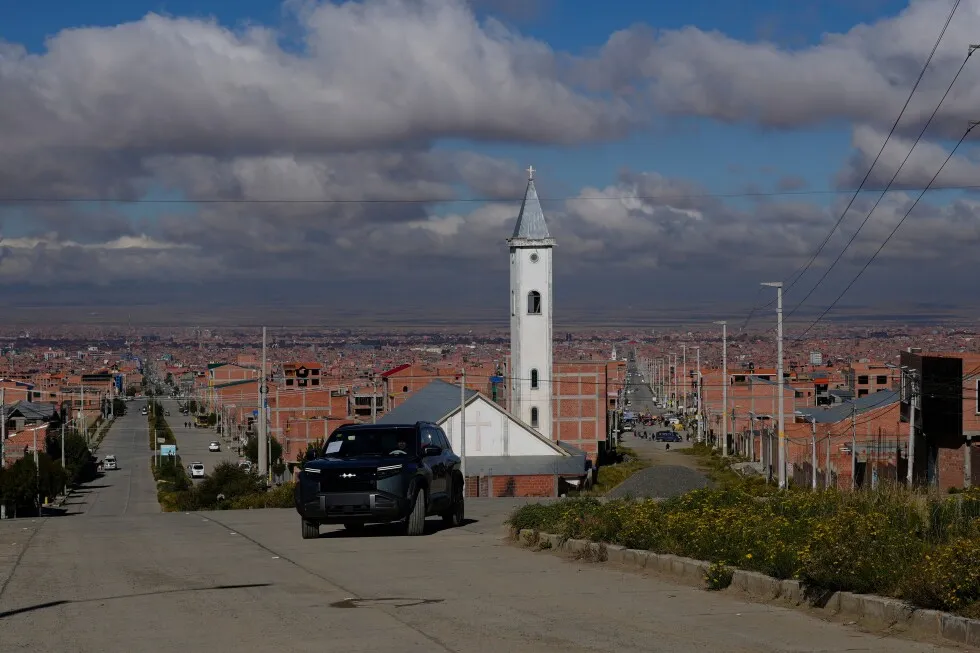
Bolivia is experiencing a surge in electric vehicle adoption driven by persistent fuel shortages and the recent end of long-standing fuel subsidies, which effectively doubled gasoline prices. Simón Huanca, an artisan in El Alto, is one of many turning to electric cars to save on costs and avoid the inconvenience of long lines at gas stations.
Briefing Summary
AI-generatedBolivia is experiencing a surge in electric vehicle adoption driven by persistent fuel shortages and the recent end of long-standing fuel subsidies, which effectively doubled gasoline prices. Simón Huanca, an artisan in El Alto, is one of many turning to electric cars to save on costs and avoid the inconvenience of long lines at gas stations. The country, which imports a significant portion of its fuel, faced foreign currency shortages that strained its subsidy program, leading to disruptions. In December, President Rodrigo Paz repealed the subsidy, causing prices to nearly double and prompting complaints about the poor quality of remaining gasoline. This situation is pushing a growing number of Bolivians to consider electric vehicles, despite limited public charging infrastructure.
Article analysis
Model · rule-basedKey claims
5 extractedBolivia imports 80% of its diesel and 55% of its gasoline, making it vulnerable to foreign currency shortages.
President Rodrigo Paz repealed fuel subsidies in December, causing energy prices to nearly double.
Bolivians are increasingly adopting electric cars due to fuel shortages and increased gasoline prices.
The government alleged sabotage and contamination of gasoline with gum and manganese in storage tanks.
Transport operators complained about the poor quality of gasoline damaging their vehicles.