Fans of Leo Tolstoy’s War and Peace all have their own reasons for loving the epic novel. Some read it as a story of personal growth, reflected in Prince Andrei’s spiritual quest. Others favour its portrayal of the Russian aristocracy in the early 19th century.As for myself, the novel punctured the myth of the military genius – not just Napoleon’s. The book’s final section on Tolstoy’s philosophy of history presented the most significant challenge to G.W.F. Hegel – specifically regarding French emperor Napoleon Bonaparte as weltgeist (world-soul) on horseback – and Clausewitz, who proposed Napoleonic warfare could be generalised as universal military principles“Who defeated Napoleon during his Russian campaign?” a professor once asked our class when I was in college. It was a trick question to check who had read their assignments. Unlike dictator of Nazi Germany Adolf Hitler in the next century, Napoleon didn’t lose; he actually won most of the major battles in Russia, much like the Americans did in Vietnam, Afghanistan and Iraq. But it was also a very deep question, the answer to which gets to the heart of the novel – and Mother Russia herself.
SRCSouth China Morning Post
LANGEN
LEANCenter-Right
WORDS190
ENT10
FRI · 2026-05-15 · 12:30 GMTBRIEF NSR-2026-0515-76520
NSR-2026-0515-76520Opinion·EN·Political Strategy
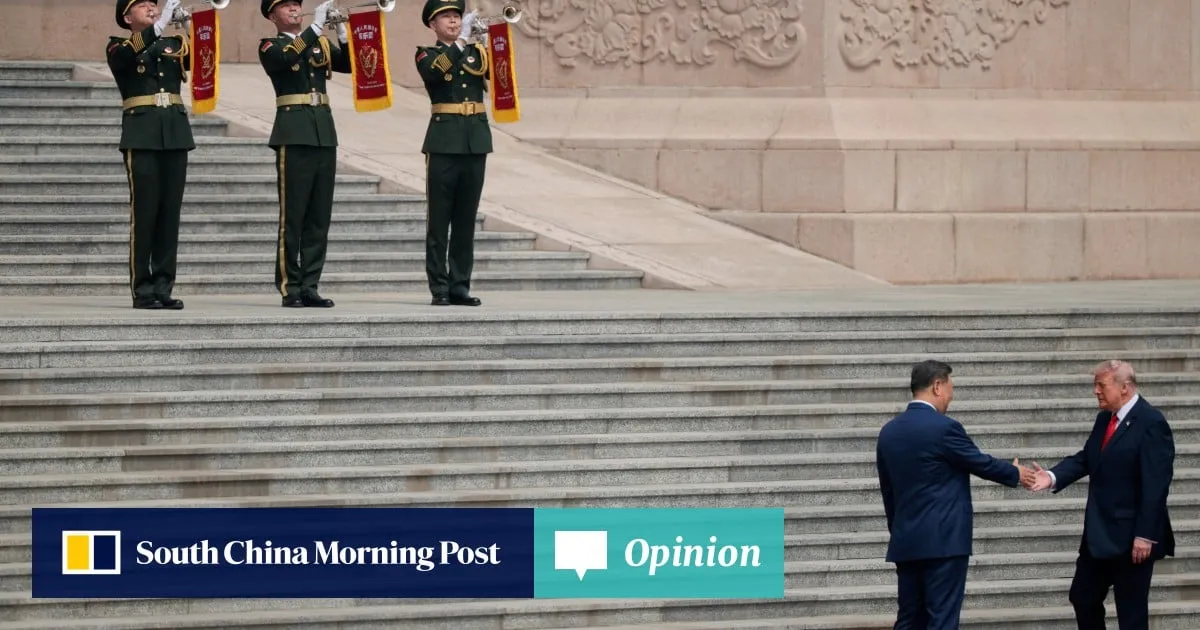
Beijing had already won before the Trump-Xi summit even started
This article argues that Beijing had already achieved a strategic victory before the Trump-Xi summit. Drawing an analogy to Leo Tolstoy's "War and Peace," the author suggests that, similar to how Napoleon won battles but lost the Russian campaign due to broader historical forces, China's position is strengthened by underlying geopolitical realities rather than the outcome of specific diplomatic events.
Alex LoSouth China Morning PostFiled 2026-05-15 · 12:30 GMTLean · Center-RightRead · 1 min
South China Morning PostFIG 01
Reading time
1min
Word count
190words
Sources cited
0cited
Entities identified
10entities
Quality score
100%
§ 01
Briefing Summary
AI-generatedNEWSAR · AI
This article argues that Beijing had already achieved a strategic victory before the Trump-Xi summit. Drawing an analogy to Leo Tolstoy's "War and Peace," the author suggests that, similar to how Napoleon won battles but lost the Russian campaign due to broader historical forces, China's position is strengthened by underlying geopolitical realities rather than the outcome of specific diplomatic events. The piece critiques the idea of individual leaders as decisive historical actors, implying that larger, systemic factors are more influential. Therefore, the summit's success or failure is less significant than the pre-existing shifts in global power dynamics that favor China.
Confidence 0.90Claims 4Entities 10
§ 02
Article analysis
Model · rule-basedFraming
Political Strategy
Diplomatic
Tone
Measured
AI-assessed
CalmNeutralAlarmist
Factuality
0.20 / 1.00
Opinion-Heavy
LowHigh
Sources cited
0
No named sources
FewMany
§ 03
Key claims
4 extracted01
Tolstoy's philosophy of history challenged Hegel and Clausewitz.
factual
Confidence
0.70
02
Tolstoy's War and Peace punctured the myth of the military genius.
factual
Confidence
0.70
03
Napoleon won most of the major battles in Russia during his campaign.
factual
Confidence
0.60
04
Americans won most major battles in Vietnam, Afghanistan, and Iraq.
factual
Confidence
0.50
§ 04
Full report
1 min read · 190 words§ 05
Entities
10 identifiedKey playerOppositionContextPositiveNeutralNegative
People6
§ 06
Keywords & salience
10 termsphilosophy of history
0.90
military genius
0.80
napoleonic warfare
0.70
war and peace
0.60
world-soul
0.50
universal military principles
0.50
prince andrei
0.40
g.w.f. hegel
0.40
russian campaign
0.40
clausewitz
0.40
§ 07
Topic connections
Interactive graph No topic relationship data available yet. This graph will appear once topic relationships have been computed.