Ebola is a severe and deadly disease, although it is thankfully rare. Ebola viruses naturally infect animals – mainly fruit bats – but people can become infected if they come into close contact.This outbreak is being caused by the Bundibugyo species of Ebola – it is one of three species known to cause outbreaks but is relatively unfamiliar.Bundibugyo has caused only two outbreaks before – in 2007 and 2012 – where it killed around 30% of people infected. Bundibugyo poses a series of challenges. There are no approved vaccines or drug treatments for Bundibugyo, although there are some experimental ones, unlike other species of Ebola virus.And tests to determine whether somebody has the infection do not appear to work well. Initial results in the outbreak were negative for Ebola virus, and more sophisticated laboratory tools were required to confirm Bundibugyo was involved.Dealing with Bundibugyo is "one of the most significant concerns" in this outbreak, says Prof Trudie Lang from the University of Oxford.Symptoms are thought to appear between two and 21 days after somebody is infected.Initially they are like developing the flu - fever, headache and tiredness. But as Ebola progresses, it leads to vomiting, diarrhoea, and the body's organs not working. Some patients develop internal and external bleeding.With no approved drugs designed to target Bundibugyo virus, treatment relies on "optimised supportive care" including managing pain, other infections, fluids and nutrition. Early care improves the odds of surviving.Ebola spreads through infected bodily fluids such as blood and vomit, although this does not normally occur until symptoms have appeared.The first known case was a nurse who developed symptoms on April 24. It has since taken three weeks to confirm an outbreak is happening."Ongoing transmission has occurred for several weeks, and the outbreak has been detected very late, which is concerning," said Dr Anne Cori from Imperial College London.It means health officials are behind where they would like to be in stopping the outbreak, which the WHO says points towards a "potentially much larger outbreak than what is currently being detected and reported".The main method will be rapidly identifying who is infected, and to whom they may have passed the virus.There will also be efforts to prevent Ebola spreading through hospitals and other treatment centres, which will be dealing with patients when they are most infectious. And to ensure anyone who dies and whose body remains infectious has a safe burial.
SRCBBC News - World
LANGEN
LEANCenter
WORDS399
ENT9
SUN · 2026-05-17 · 13:31 GMTBRIEF NSR-2026-0517-77019
NSR-2026-0517-77019News Report·EN·Public Health
How worrying is the Ebola outbreak in DR Congo?
The Democratic Republic of Congo is facing an Ebola outbreak caused by the Bundibugyo species, a less familiar strain with a roughly 30% mortality rate. This outbreak is concerning because there are no approved vaccines or drug treatments for Bundibugyo, and diagnostic tests have proven unreliable, leading to a late detection of the outbreak.
BBC News - WorldFiled 2026-05-17 · 13:31 GMTLean · CenterRead · 2 min
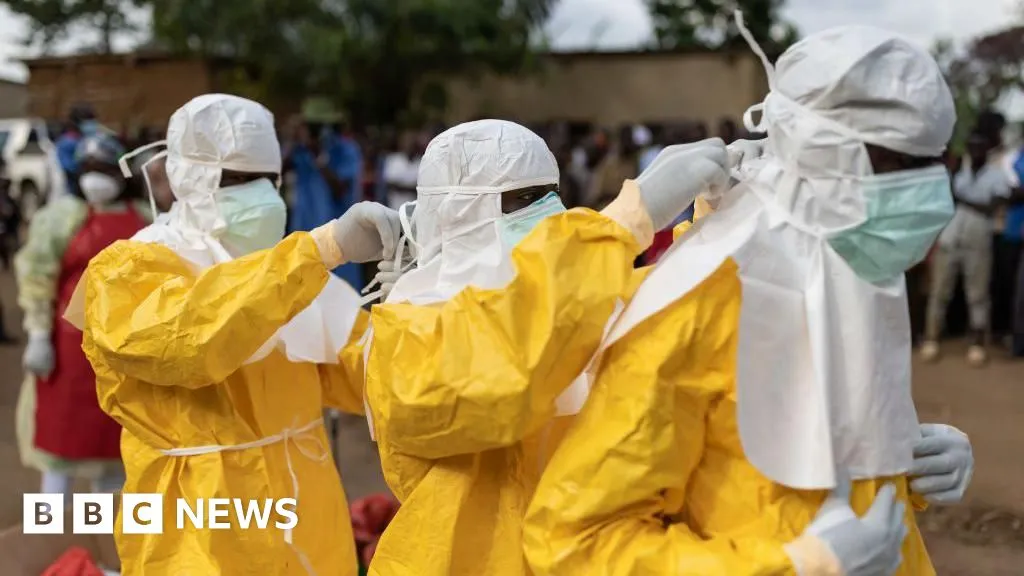
BBC News - WorldFIG 01
Reading time
2min
Word count
399words
Sources cited
2cited
Entities identified
9entities
Quality score
100%
§ 01
Briefing Summary
AI-generatedNEWSAR · AI
The Democratic Republic of Congo is facing an Ebola outbreak caused by the Bundibugyo species, a less familiar strain with a roughly 30% mortality rate. This outbreak is concerning because there are no approved vaccines or drug treatments for Bundibugyo, and diagnostic tests have proven unreliable, leading to a late detection of the outbreak. Nearly 250 suspected cases have been reported, and health officials are concerned about potentially widespread transmission due to the delayed identification. Efforts are underway to identify infected individuals, prevent spread in healthcare settings, and ensure safe burials for deceased patients.
Confidence 0.90Sources 2Claims 5Entities 9
§ 02
Article analysis
Model · rule-basedFraming
Public Health
Human Interest
Tone
Mixed Tone
AI-assessed
CalmNeutralAlarmist
Factuality
0.80 / 1.00
Factual
LowHigh
Sources cited
2
Limited
FewMany
§ 03
Key claims
5 extracted01
The WHO states the late detection points towards a 'potentially much larger outbreak than what is currently being detected and reported'.
quoteWHO
Confidence
1.00
02
Treatment for Bundibugyo relies on 'optimised supportive care' as there are no specific drugs.
factual
Confidence
1.00
03
The outbreak has been detected very late, indicating ongoing transmission for several weeks and a potentially much larger outbreak.
quoteDr Anne Cori
Confidence
1.00
04
There are no approved vaccines or drug treatments for the Bundibugyo species of Ebola, and diagnostic tests are not highly effective.
factual
Confidence
1.00
05
The current Ebola outbreak is caused by the Bundibugyo species, which has a mortality rate of around 30% and is unfamiliar.
factual
Confidence
1.00
§ 04
Full report
2 min read · 399 words§ 05
Entities
9 identifiedKey playerOppositionContextPositiveNeutralNegative
Organizations3
Events1
§ 06
Keywords & salience
8 termsebola outbreak
1.00
bundibugyo species
0.90
dr congo
0.80
disease transmission
0.70
supportive care
0.60
late detection
0.50
experimental treatments
0.50
viral infection
0.40
§ 07
Topic connections
Interactive graph Network visualization showing 51 related topics
View Full Graph Person Organization Location Event|Click node to navigate|Edge numbers = shared articles