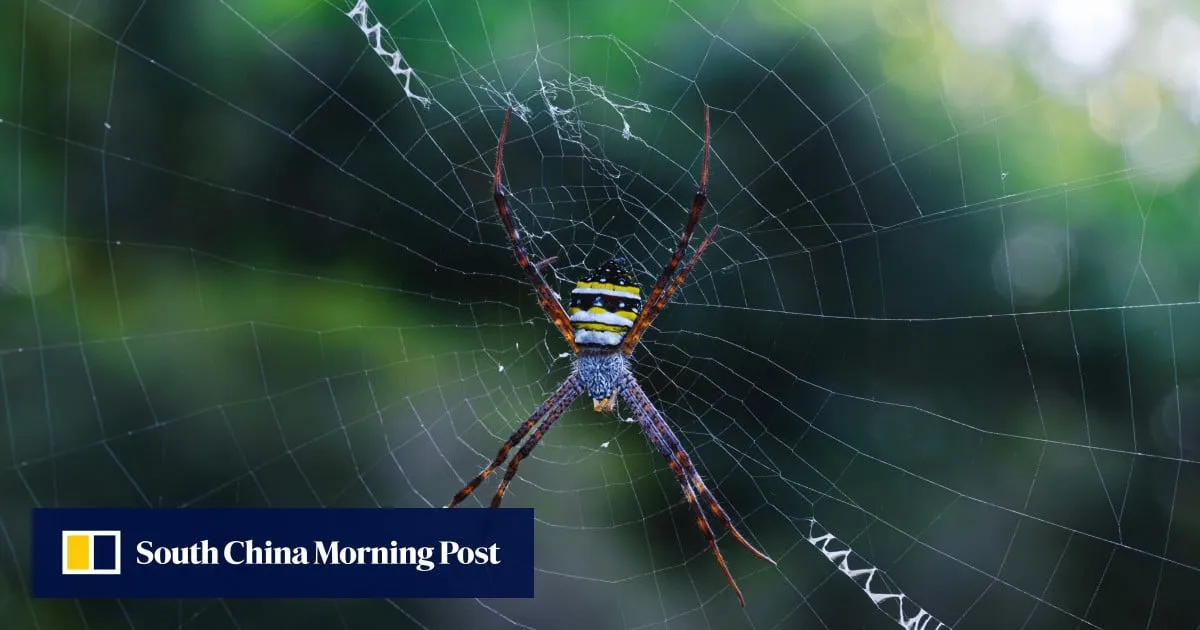
Up to 80 per cent of polymers derived from corn protein zein degrade within a month in simulated natural soil conditions, researchers find3-MIN READ3-MIN0ListenPublished: 4:00pm, 22 May 2026Scientists from China and the Netherlands have created a corn protein-based biopolymer with a process inspired by spider silk that could offer a sustainable alternative to plastics based on fossil fuel.“Plant-derived biopolymers may become sustainable alternatives to fossil-based polymers, yet their poor material performance has so far limited their adoption,” the team said in a paper published in the peer-reviewed journal Nature Communications on May 11.The scientists, inspired by how spiders spin their biopolymer high-strength silk, used a similar processing mechanism to transform the corn protein “zein” into a biopolymer.01:01Japan’s researchers develop ocean-friendly plastic The resulting “plantymer” fibres and sheets had a rigidity comparable to silk and displayed good moisture and oxygen barrier properties.
SRCSouth China Morning Post
LANGEN
LEANCenter-Right
WORDS141
ENT10
FRI · 2026-05-22 · 08:00 GMTBRIEF NSR-2026-0522-78373
NSR-2026-0522-78373News Report·EN·Technology
Chinese and Dutch scientists turn corn to sustainable plastic, inspired by spider silk
Chinese and Dutch scientists have developed a new biopolymer from corn protein, named "plantymer," which could serve as a sustainable alternative to fossil fuel-based plastics. Published in Nature Communications on May 11, their research addresses the limitation of poor material performance in plant-derived biopolymers.
Victoria BelaSouth China Morning PostFiled 2026-05-22 · 08:00 GMTLean · Center-RightRead · 1 min
South China Morning PostFIG 01
Reading time
1min
Word count
141words
Sources cited
1cited
Entities identified
10entities
Quality score
100%
§ 01
Briefing Summary
AI-generatedNEWSAR · AI
Chinese and Dutch scientists have developed a new biopolymer from corn protein, named "plantymer," which could serve as a sustainable alternative to fossil fuel-based plastics. Published in Nature Communications on May 11, their research addresses the limitation of poor material performance in plant-derived biopolymers. Inspired by the way spiders spin silk, the scientists employed a similar processing mechanism to transform corn protein, known as zein, into this new material. The resulting plantymer fibers and sheets exhibit rigidity comparable to silk and possess good moisture and oxygen barrier properties. This innovation aims to overcome previous challenges in adopting plant-based biopolymers for wider use.
Confidence 0.90Sources 1Claims 4Entities 10
§ 02
Article analysis
Model · rule-basedFraming
Technology
Environmental
Tone
Measured
AI-assessed
CalmNeutralAlarmist
Factuality
0.90 / 1.00
Factual
LowHigh
Sources cited
1
Limited
FewMany
§ 03
Key claims
4 extracted01
Plant-derived biopolymers may become sustainable alternatives to fossil-based polymers, yet their poor material performance has so far limited their adoption.
quotethe team
Confidence
1.00
02
The resulting 'plantymer' fibres and sheets had a rigidity comparable to silk and displayed good moisture and oxygen barrier properties.
factualScientists from China and the Netherlands
Confidence
1.00
03
Scientists created a corn protein-based biopolymer with a process inspired by spider silk.
factualScientists from China and the Netherlands
Confidence
1.00
04
Up to 80% of polymers derived from corn protein zein degrade within a month in simulated natural soil conditions.
statisticresearchers
Confidence
1.00
§ 04
Full report
1 min read · 141 words§ 05
Entities
10 identifiedKey playerOppositionContextPositiveNeutralNegative
Organizations1
§ 06
Keywords & salience
8 termssustainable plastic
1.00
corn protein
0.90
biopolymer
0.80
spider silk
0.70
zein
0.60
plant-derived
0.50
fossil fuel
0.40
material performance
0.40
§ 07
Topic connections
Interactive graph Network visualization showing 51 related topics
View Full Graph Person Organization Location Event|Click node to navigate|Edge numbers = shared articles